
Kurdistan Region Federation of Iraq: Between Constitutional Entitlements and Political Challenges in Kurdistan (Academic Perspectives on the Problems and Prospects for a Solution)
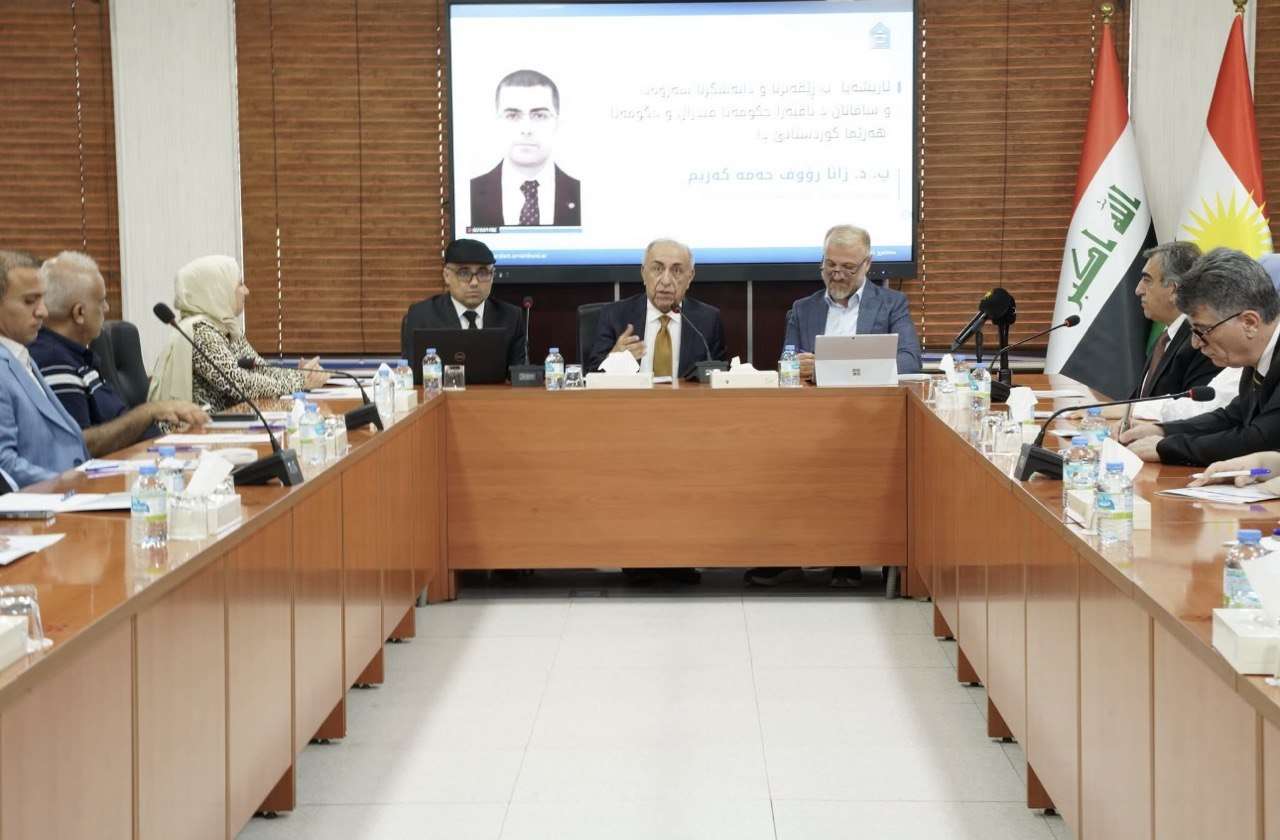
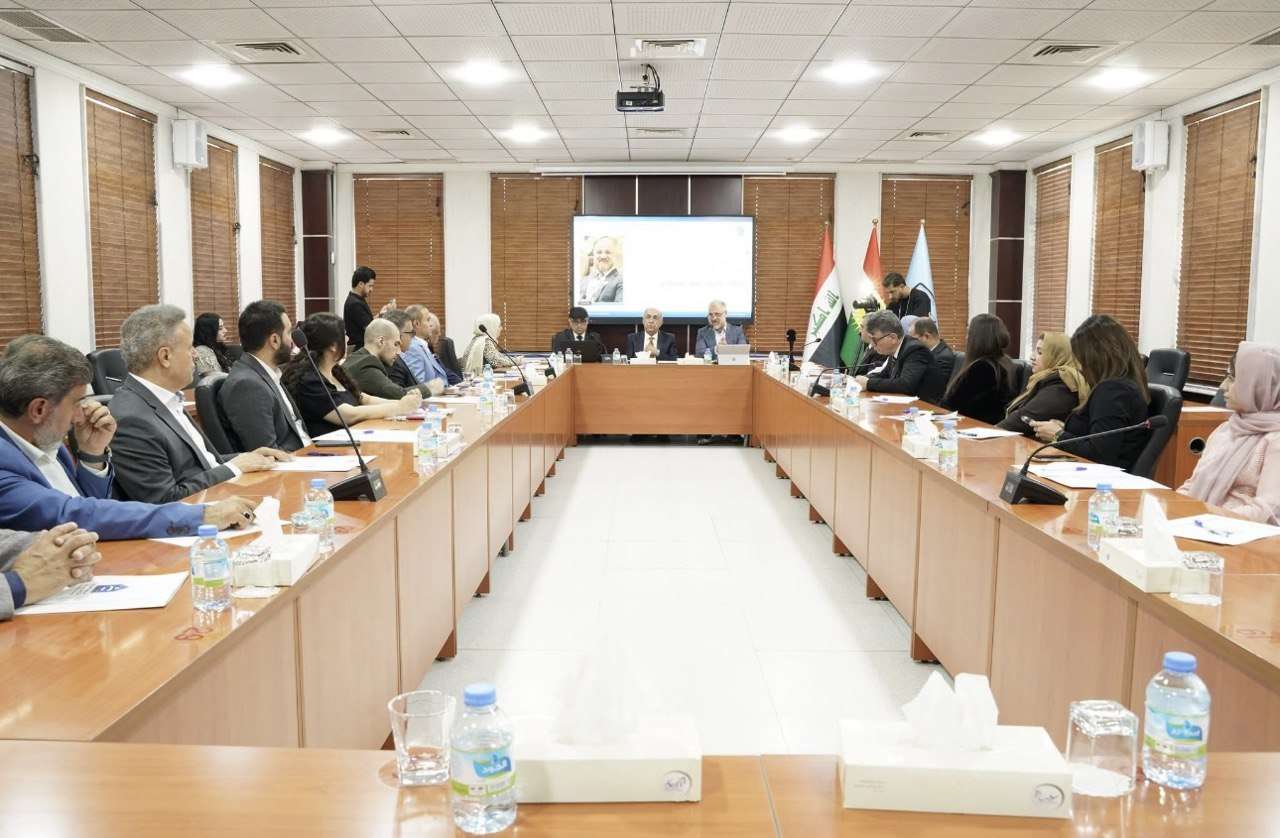
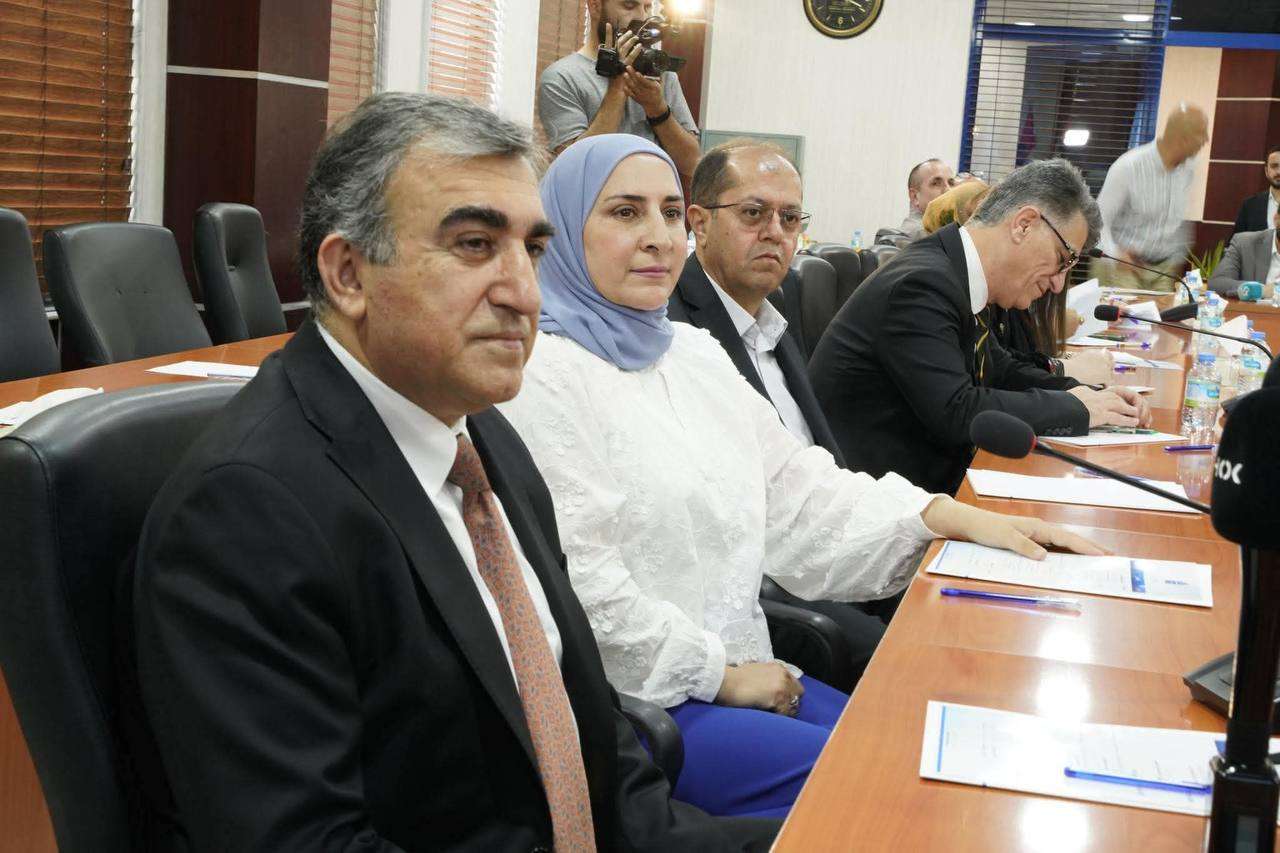
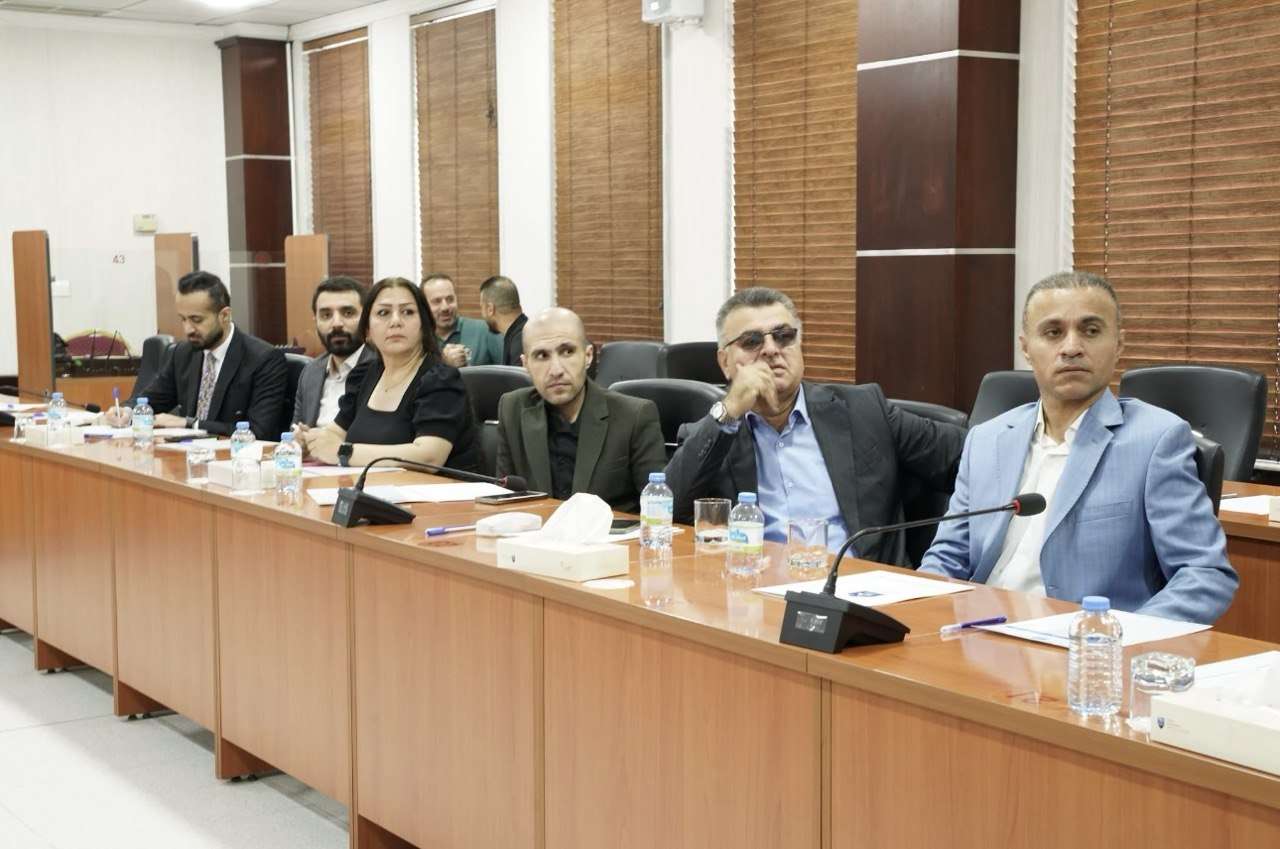
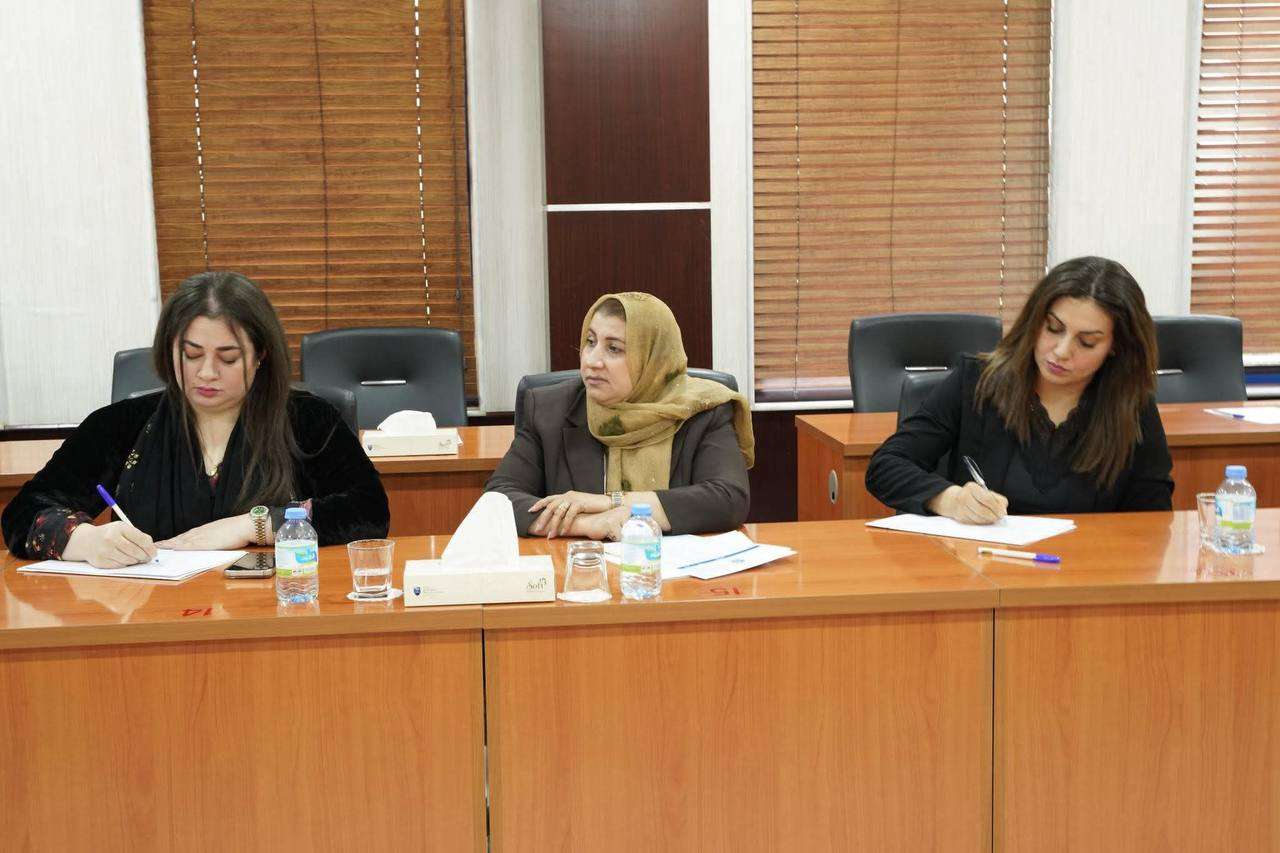
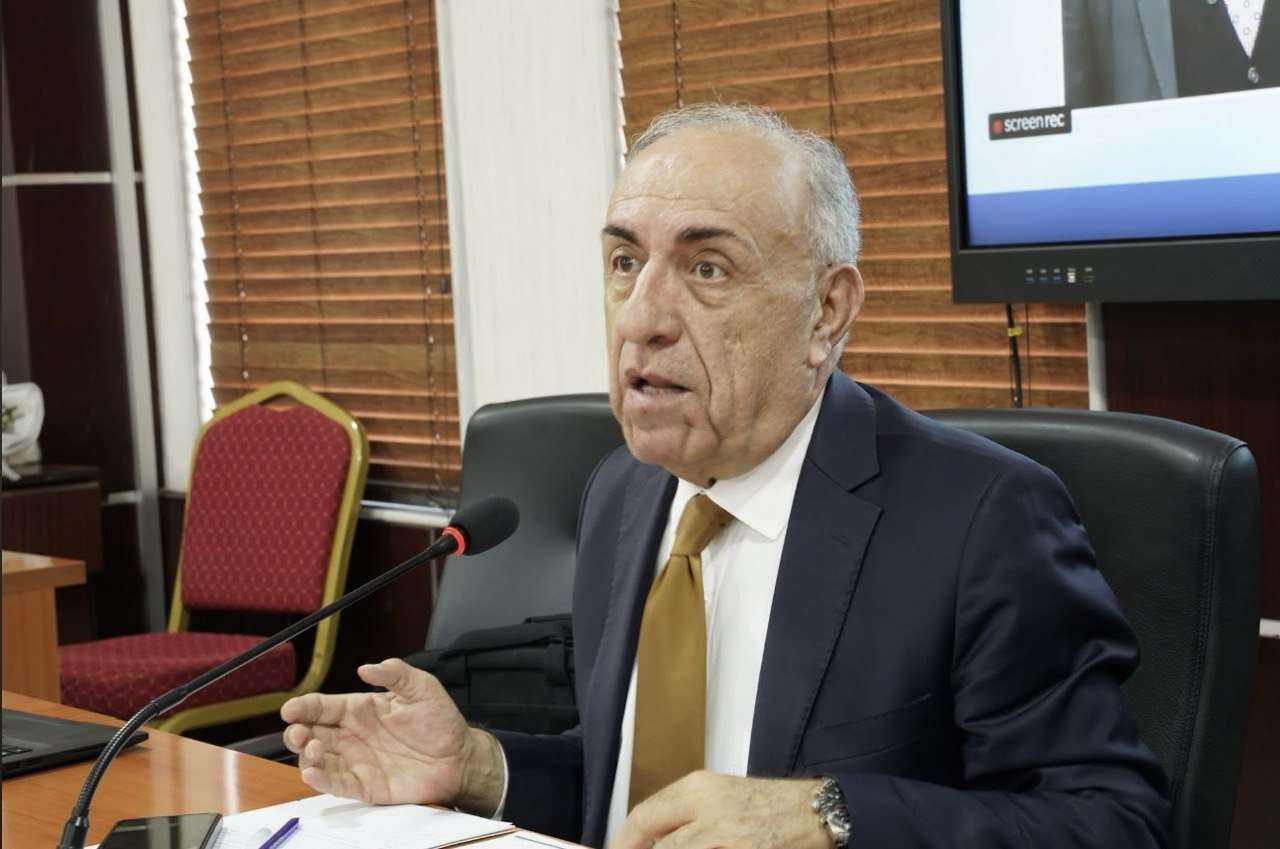
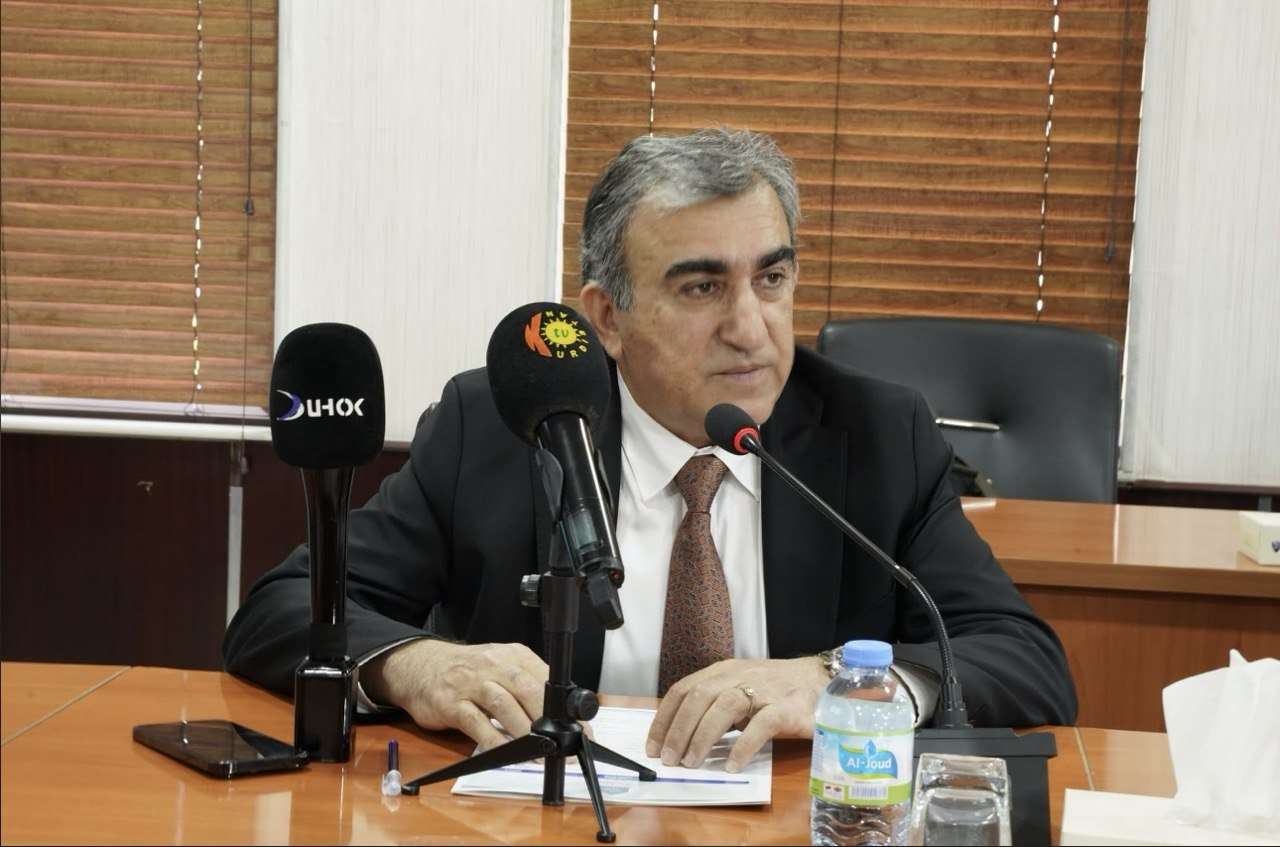
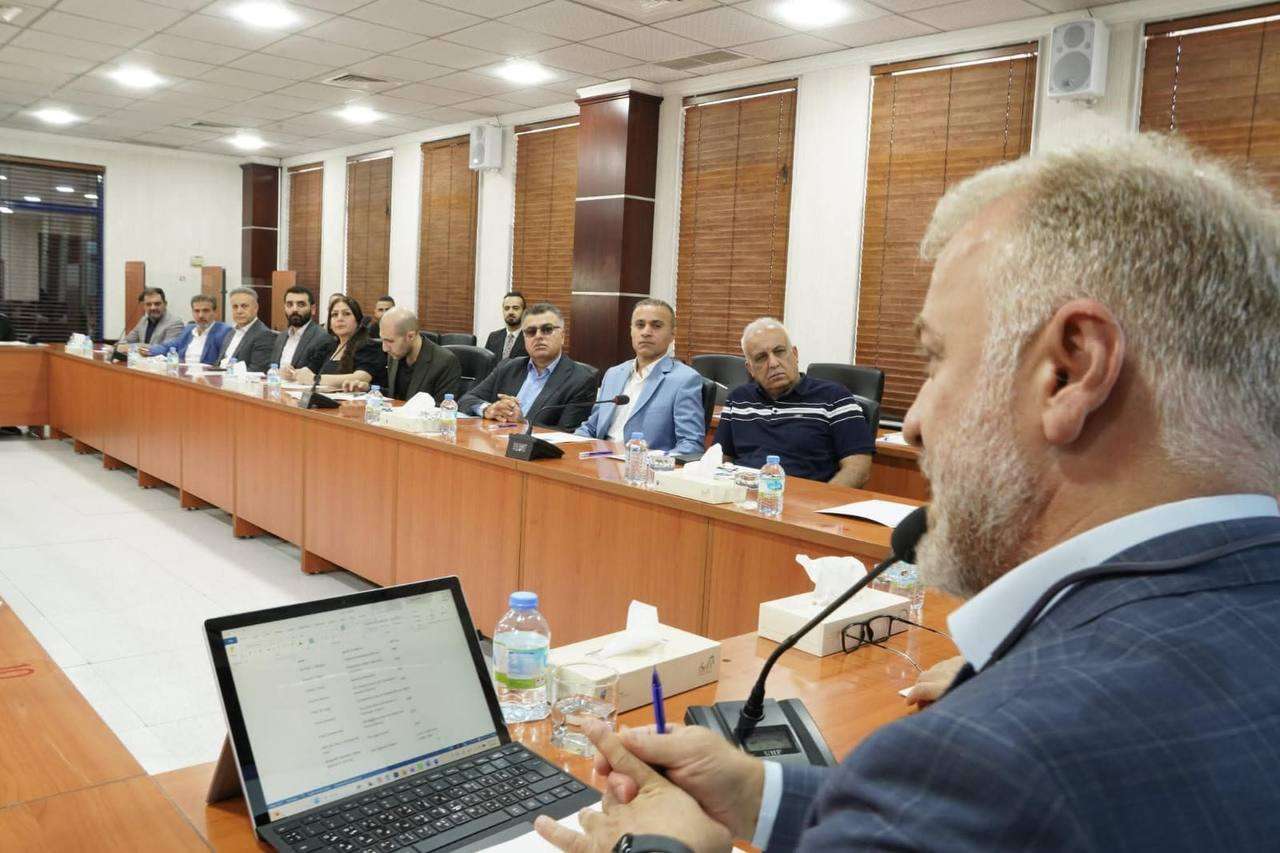
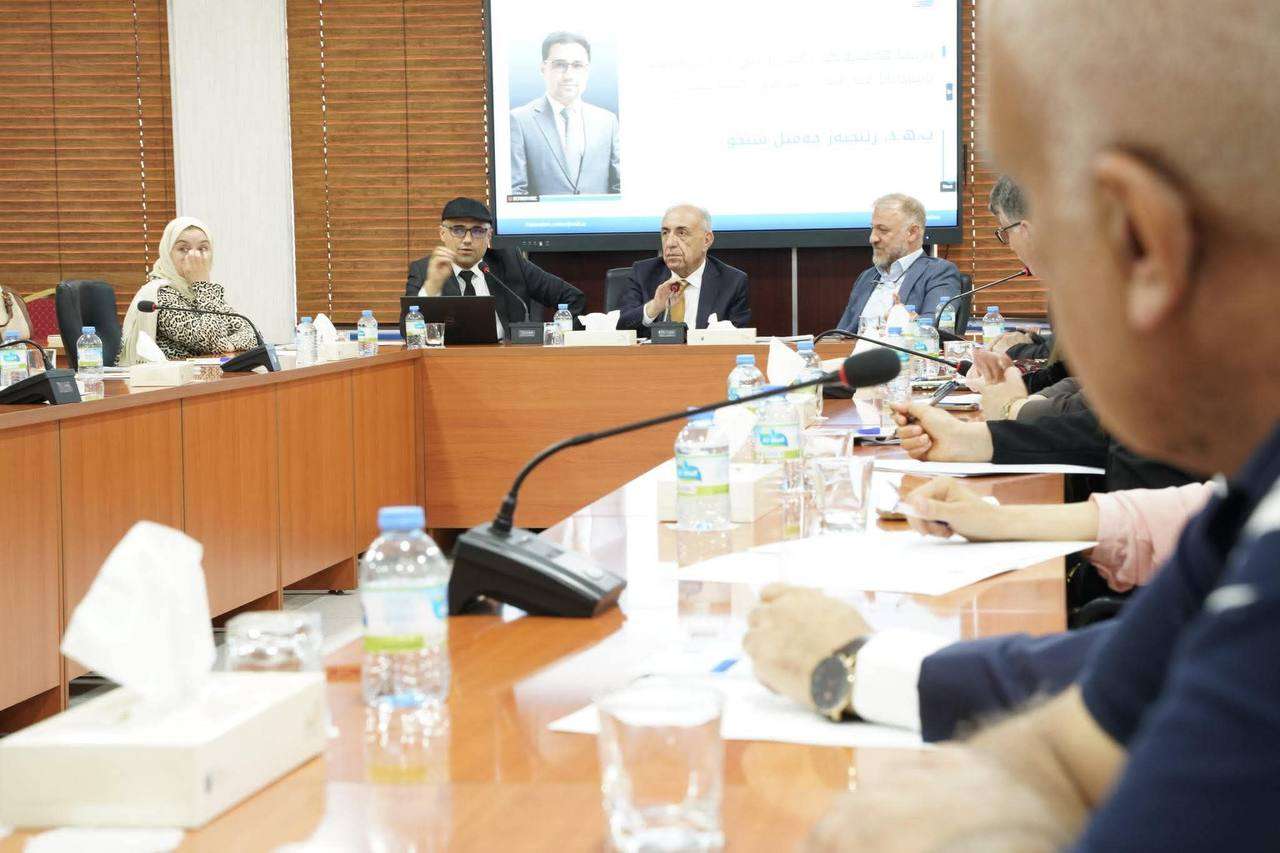
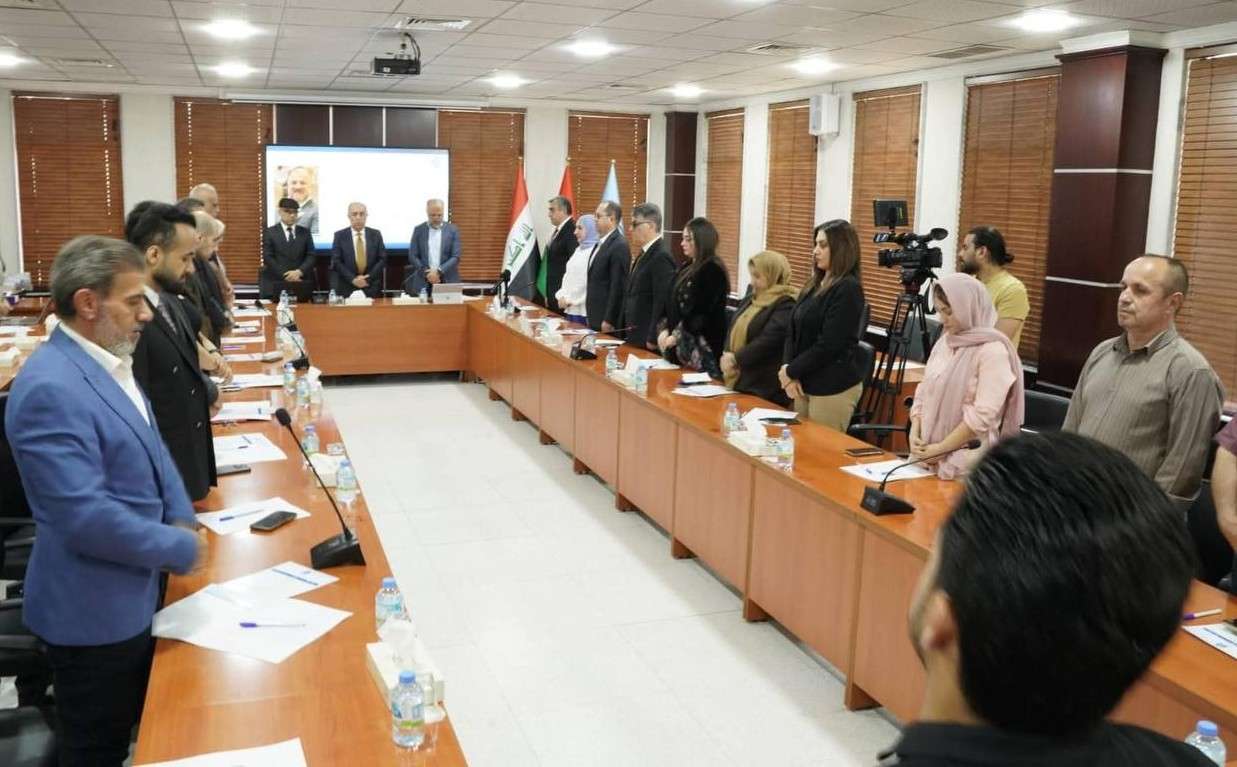
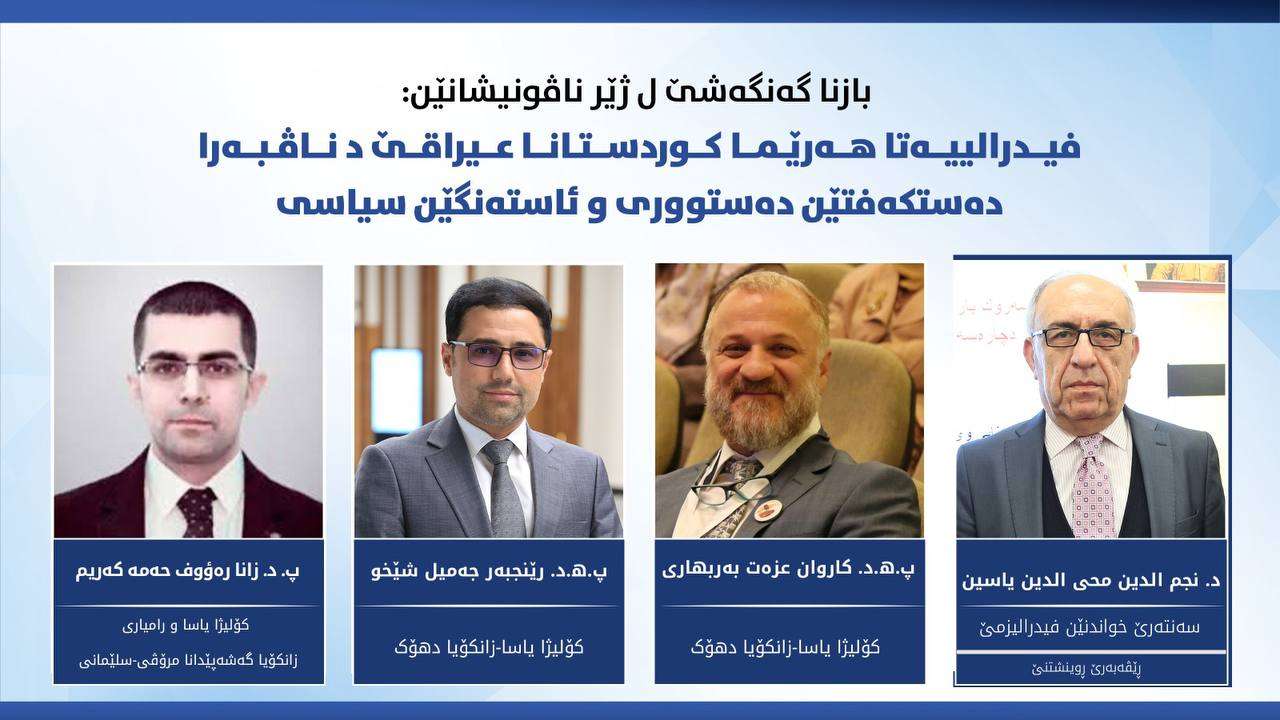
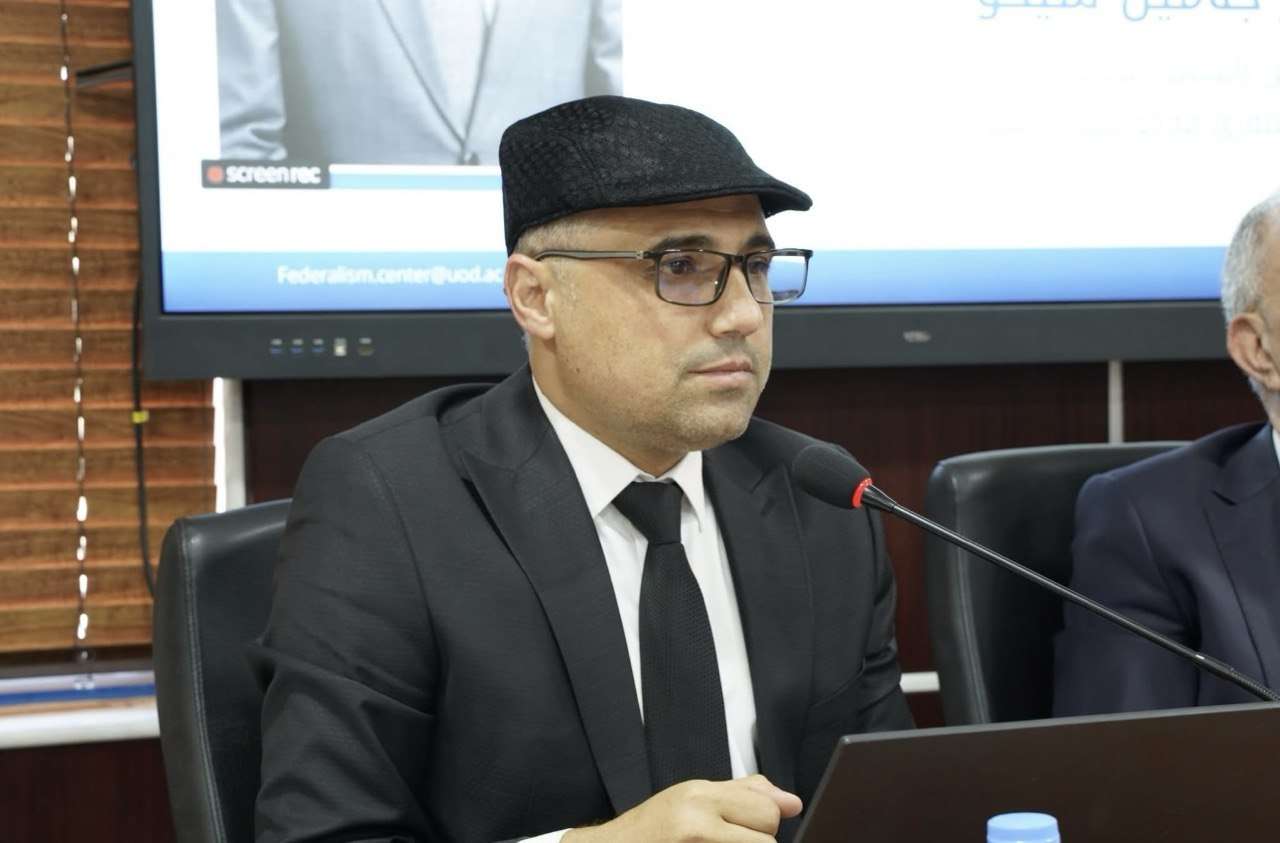
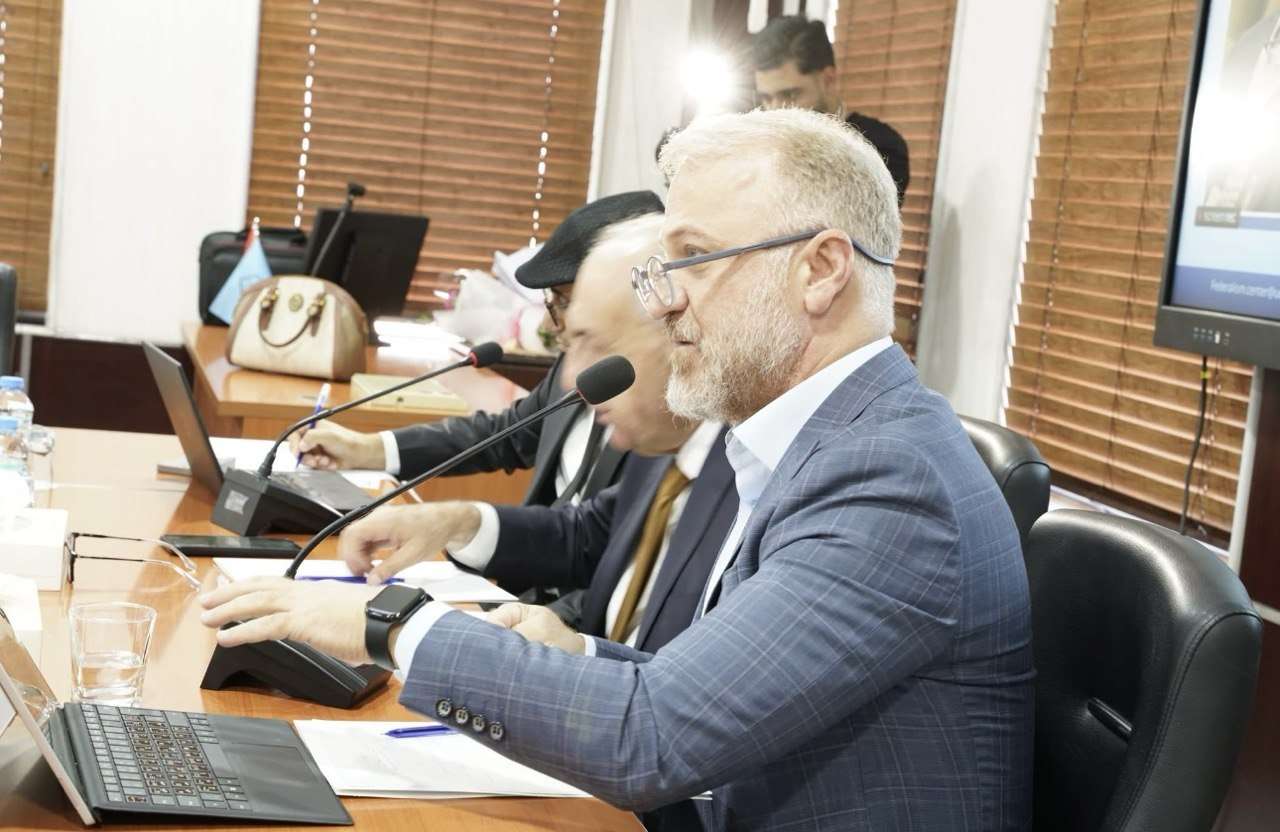
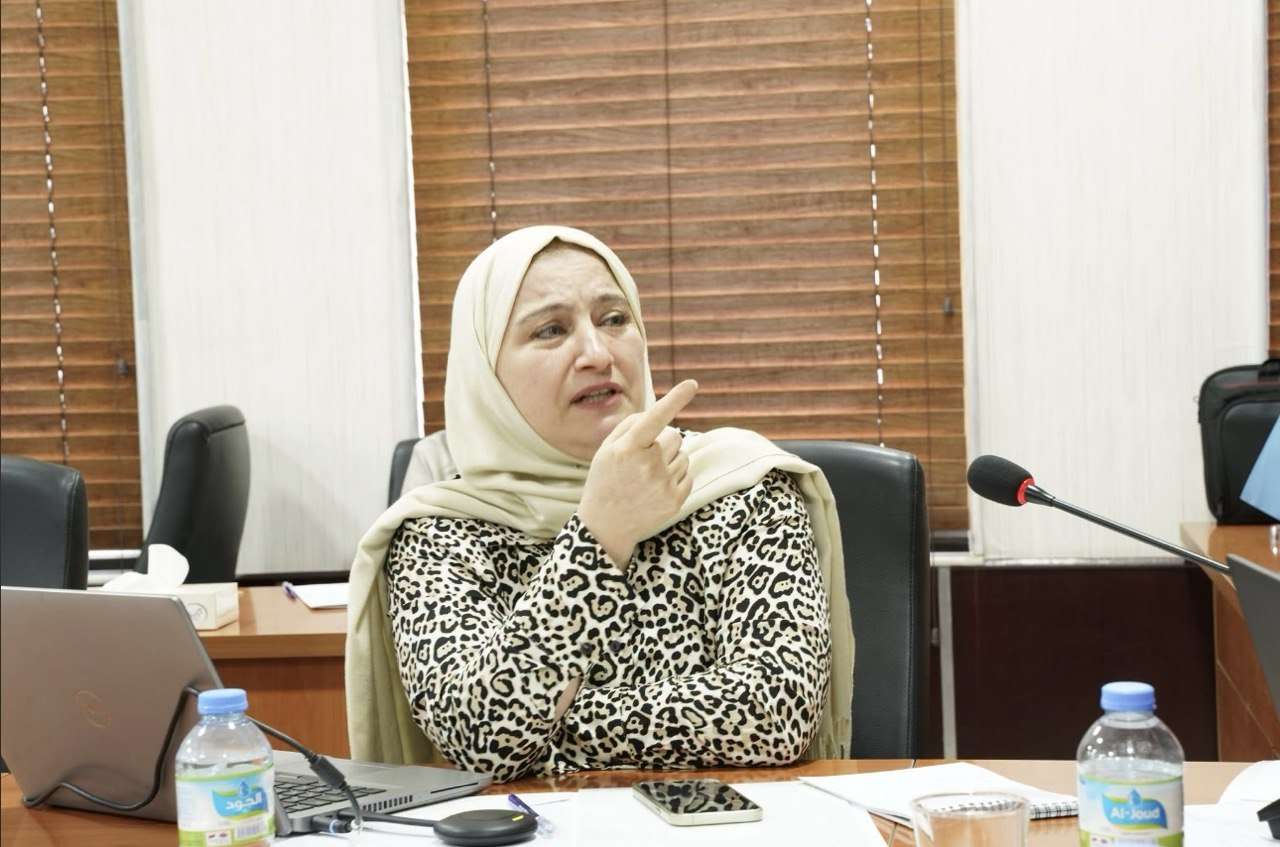
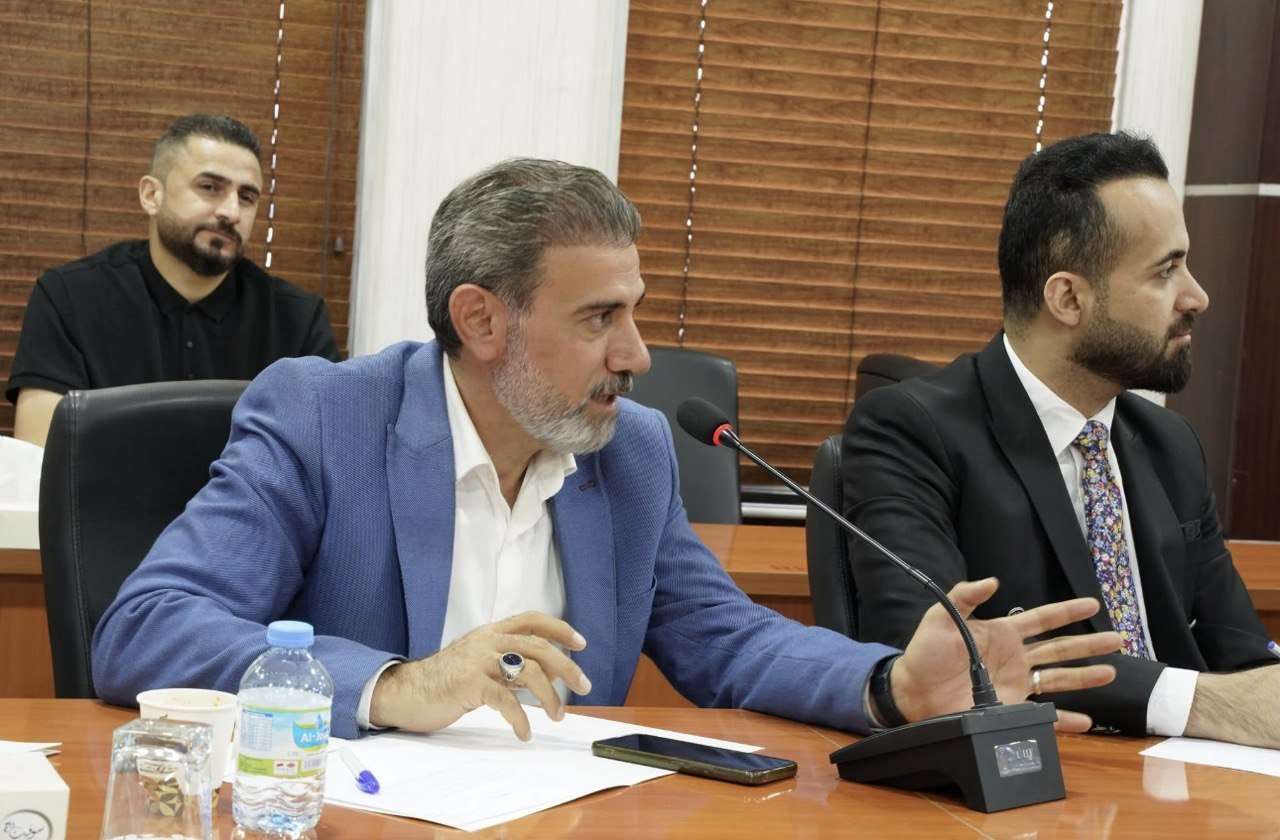
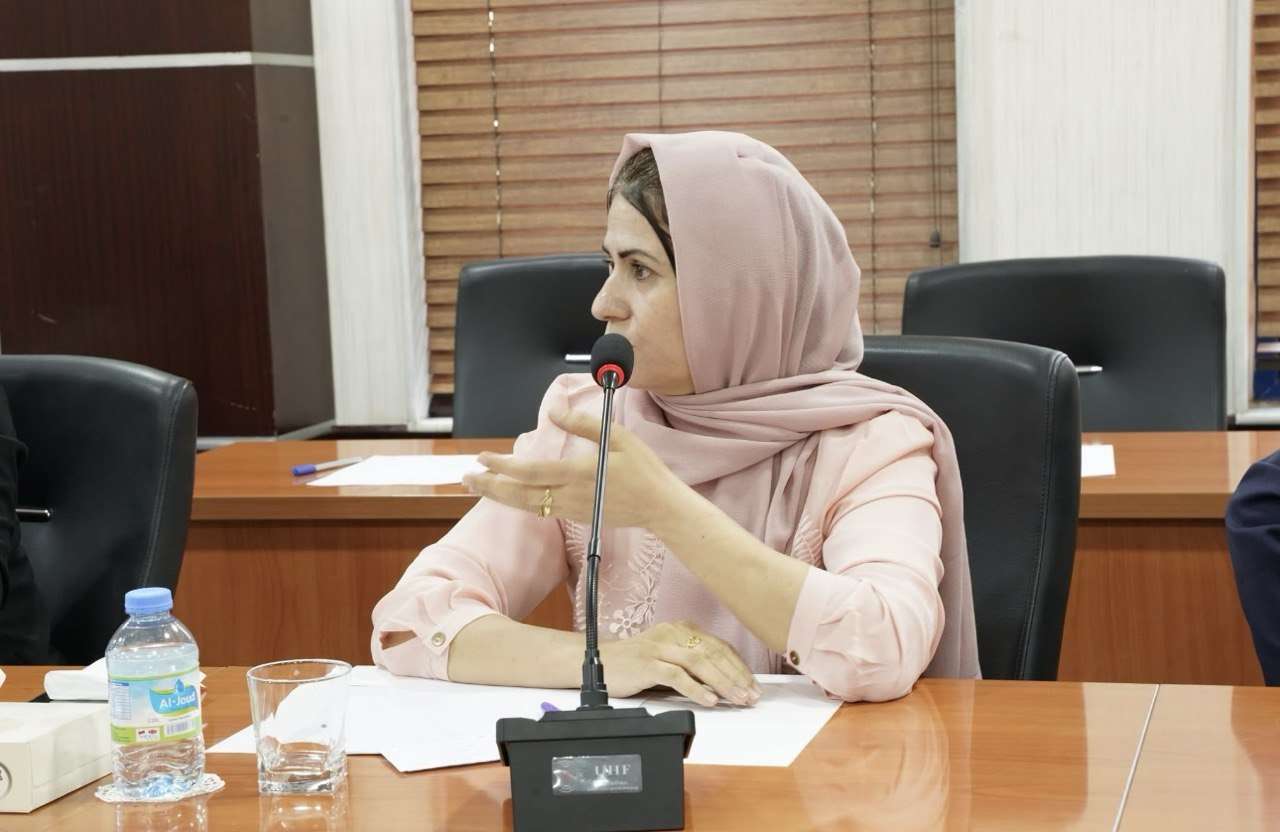
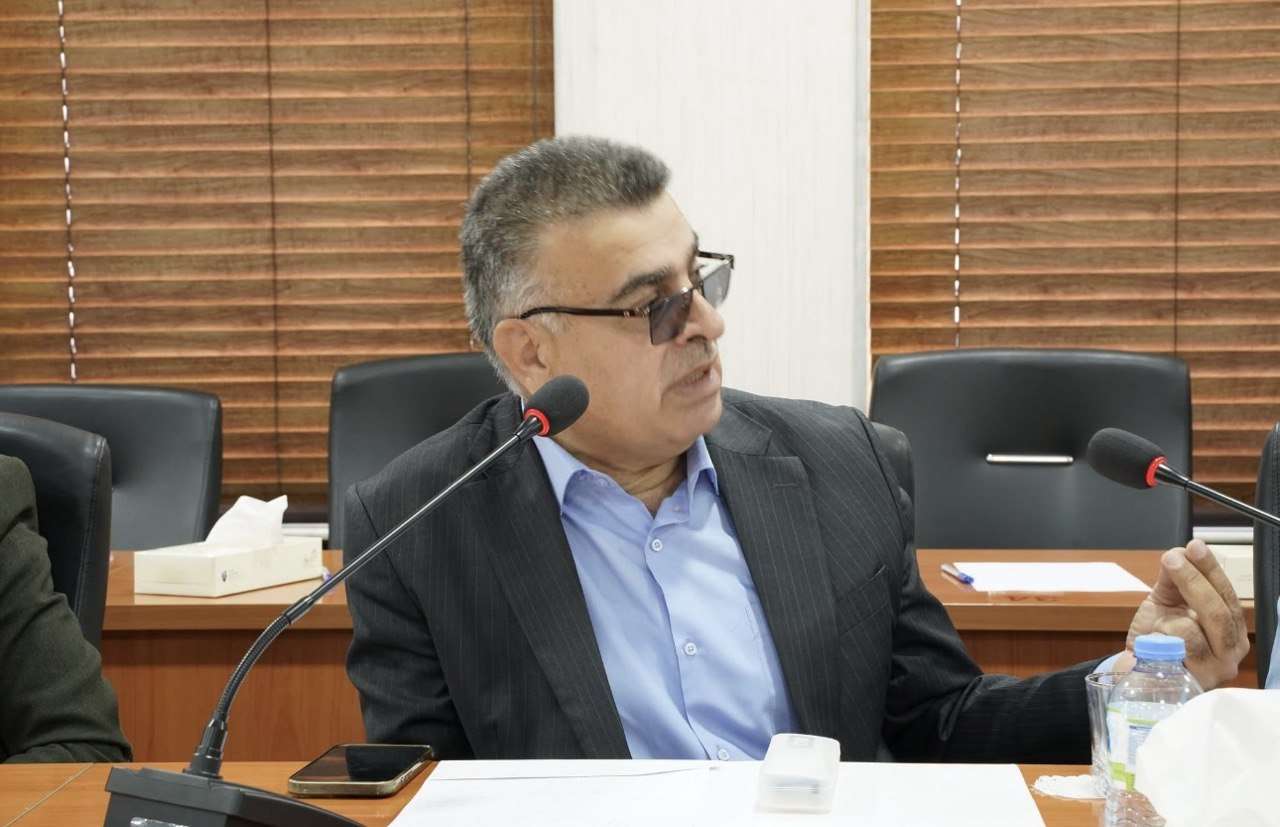
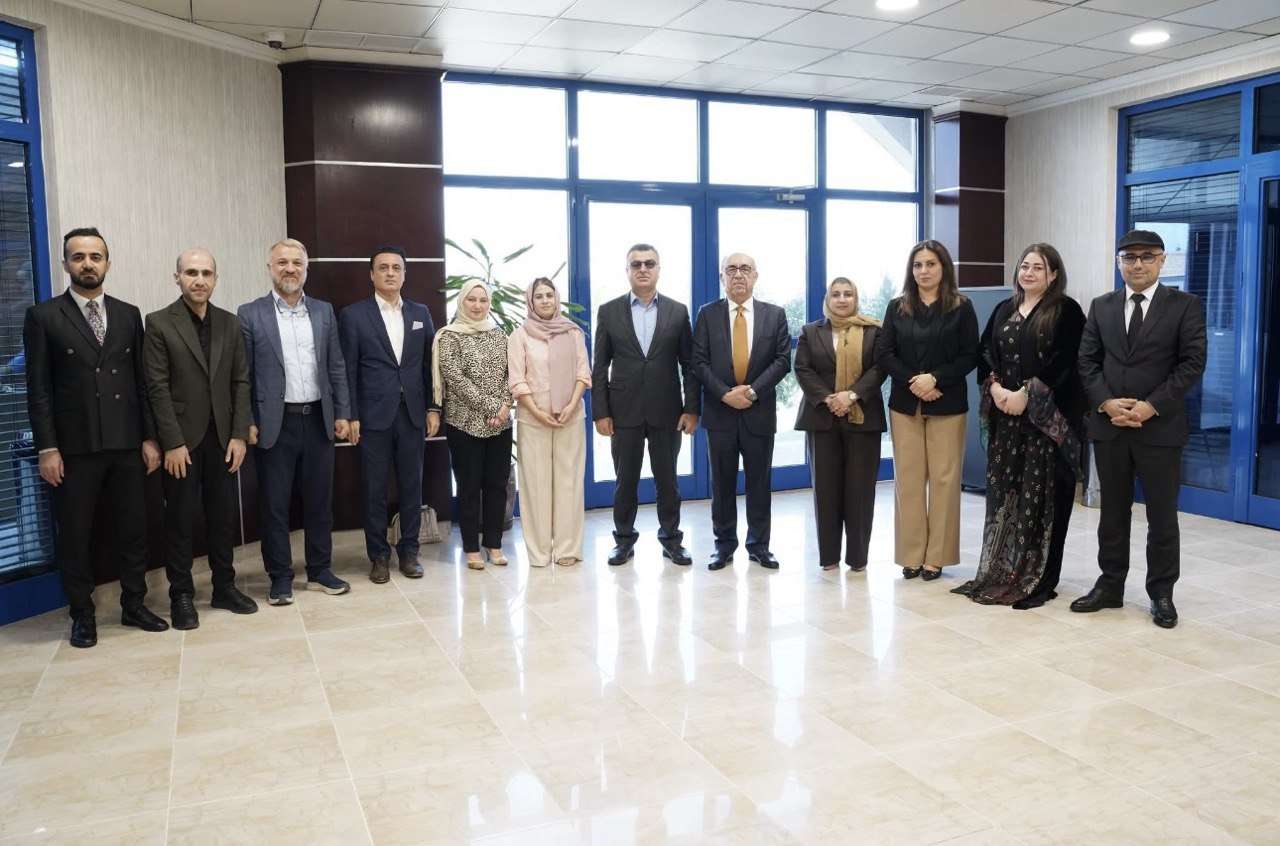
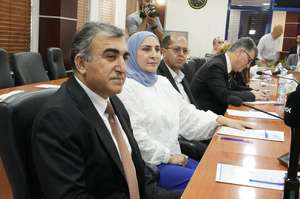

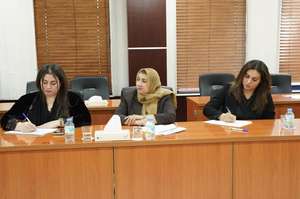
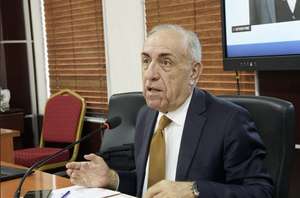
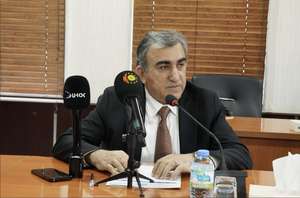
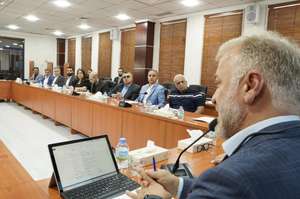
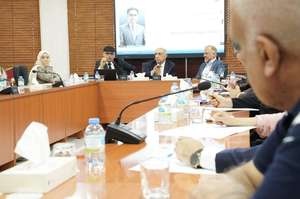
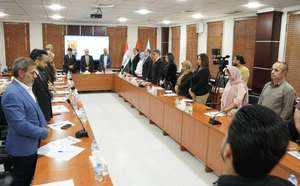
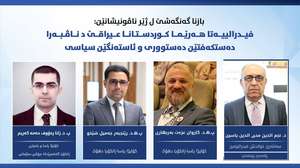
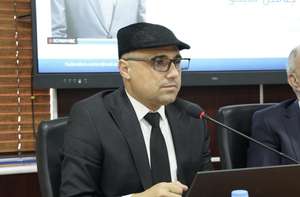
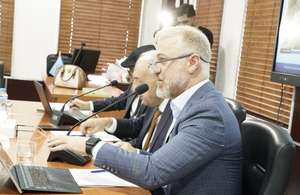
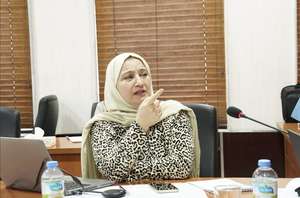
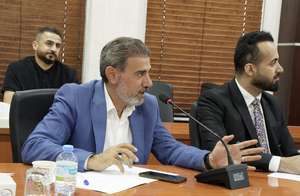


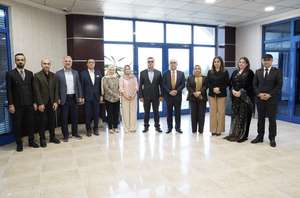
The dialogue sessions, held on July 7, 2026, commenced with a welcoming address by Dr. Najm Al-Deen M. Yaseen, Director of the Center for Federalism Studies, followed by a minute of silence in remembrance of the martyrs. The Director emphasized the importance of the session, which focused on the most prominent unresolved projects between the government and Kurdistan. He highlighted that these projects are limited in number, as identified through scientific research, and stressed the necessity of utilizing available resources to address these challenges.
Dr. Dawood Suleiman Atroushi, President of the University of Duhok, delivered a speech emphasizing the Center's role as an academic institution dedicated to federal studies and research, serving as a scientific platform specializing in federalism in Iraq. He noted the Center's potential to engage with international expertise and stressed the importance of learning from foreign academic centers and successful global experiences in implementing federalism in Iraq and the Kurdistan Region.
The panel discussion included the following topics:
First Topic: The Problem of Distributing Constitutional Powers Between the Federal Government and the Kurdistan Regional Government. The seminar was presented by Dr. Karwan Izzat Barbahari.
This seminar covered the following key ideas:
- A constitution is meant to regulate the exercise of power, but in Iraq, it has become a tool for power struggles.
- The history of federalism in the United States was discussed, reviewing the successful historical experience of American federalism and emphasizing the importance of learning from the American federal experience, which aimed to prevent dictatorship and protect human rights.
- Constitutions are drafted globally to regulate and manage powers, but in Iraq, the constitution has been used as a tool for conflict and mutual political rivalry.
- The cornerstone of success in American federalism lies in the role of the judiciary, while the Iraqi experience has been the complete opposite.
Recommendations:
- The Federal Council must be formed and adopted as a political and legislative mechanism for settling and resolving problems between the federal government and the Kurdistan Region.
- The importance of reconsidering the composition of the Federal Court as the final judicial body for resolving disputes. This is because federalism is not merely a system for distributing powers, but also a legal framework for building balanced institutions that contribute to the gradual resolution of disputes before they reach the courts.
- The following principles, derived from the American experience, were emphasized for addressing this issue:
- Structural interpretation of the Constitution
- Cooperative federalism
- Mutual constitutional loyalty
- Proportionality in the exercise of powers
- Institutional integration, drawing on successful global experiences relevant to implementing federalism in Iraq and the Kurdistan Region.
Second Topic: The Problem of Institutional Balance in the Federal Legislative Authority in Iraq (The Federal Council). This seminar was presented by: Dr. Ringber Jamil Sheikho.
This seminar covered the following key ideas:
- Out of 25 federal states, 22 have a bicameral parliament, while some countries, such as the Comoros, have only one chamber.
- The purpose of the second chamber is to manage the country's vast geography or its societal diversity.
- Constitutional powers vary in some countries, with the powers of the House of Representatives (the first chamber) exceeding those of the Council of States or Regions (the second chamber), or vice versa.
- The need for a Federal Council in Iraq is not based on geography, but rather on societal diversity. The problem is ethnic and related to the constituent groups, not to regions or geography. The conflict in Iraq is a conflict between these groups.
- Iraq lacks a Federal Council, which disrupts the balance among the components of the federal state. Therefore, the existence of a second council is essential to achieve balance among the social components of the country and serves as a tool to protect the federal system from collapse.
Recommendations:
- The importance of adopting the German model as a mechanism for implementing veto power over decisions and legislation.
- The necessity of establishing a Federal Council with veto power to safeguard the rights of constituent groups, referencing the Belgian model, where the veto mechanism prevents the passage of decisions detrimental to specific groups.
- The foundations and characteristics of a federal state must be built based on institutional balance; otherwise, the structural crisis will persist.
- The optimal solution to address the federal crisis in Iraq lies in amending Article (61) concerning the powers of the Council of Representatives and activating Article (65) regarding the formation of the Federal Council in accordance with constitutional provisions. Without these measures, the dilemma of Iraqi federalism will remain unresolved.
- Establishing a Federal Council constitutes a constitutional requirement to ensure institutional balance and legislative justice in Iraq, rather than being solely a political option.
Third Topic: Management and Sharing of Wealth and Resources between the Federal Government and the Kurdistan Regional Government. The seminar was presented by: Prof. Dr. Zana Raouf Hama Karim. The seminar was moderated by: Dr. Siepan Jamil Mustafa.
This seminar covered the following key ideas:
- The issue of distributing wealth and natural resources, especially oil and gas, is one of the most complex issues in the 2005 Iraqi Constitution.
- Articles (111, 112, and 115) established a theoretical framework for wealth sharing, but the absence of a federal oil and gas law has hindered its practical implementation.
- Decisions of the Federal Supreme Court (such as Decision59 of 2022 and Decision224 of 2023) affirmed the centralization of resource management, which exacerbated disputes with the Kurdistan Region.
- The economic and political repercussions of this problem include:
- Instability of the general budget.
- Harm to oil-producing governorates such as Basra.
- Deepening the conflict with international companies operating in Kurdistan. - Globally Adopted Models for Wealth Sharing Management:
- Centralized Model (Nigeria, Russia).
- Decentralized Model (United States, Canada).
- Cooperative Model (Joint Committees between the Central Government and the Regions).
- Settlement and Financial Compensation Model.
Recommendations:
The importance of benefiting from the following global experiences in resolving this problem:
- Constitutional amendment as a radical solution through:
- Amending Article (61): concerning the powers of the House of Representatives to regulate the relationship and limit unilateral decision-making.
- Activating and forming the Federal Council (Article 65): It is necessary to establish a committee to create this council, thereby ensuring the existence of a second legislative chamber that represents the interests of regions and governorates and prevents conflicts over financial authority. - Establishing sovereign wealth funds:
- Such as the Norwegian model.
- Financial settlement programs (Canada, Germany).
-Strict legislation for budget management and preventing conflicts of powers. - Enacting the pending regulatory laws: Expediting the drafting and enactment of the Federal Oil and Gas Law to end the practical suspension of Article (112) and establish clear mechanisms for joint management.
- Adherence to the petrodollar clause and developer shares: Ensuring the immediate and direct allocation of funds to producing governorates and regions (such as Basra) to compensate for environmental and health damages and to develop local infrastructure without interruption.
Conclusion and prospects for a solution:
- Establishing a Federal Council as a constitutional necessity to address the structural flaws in the federal system in Iraq.
- Adopting the principles of cooperative federalism and institutional integration to resolve many disputes between the central government and the regions.
- The importance of learning from international experiences in this field (the United States, Belgium, Norway).
- Establishing transparent mechanisms for wealth distribution that ensure fairness and balanced development.
- Strengthening cooperation between local and international academic centers to develop applied studies on federalism.