
زانكۆیا دهۆك ٣٧ ساڵێن پشتی جینۆسایدا ئەنفالێ ب پانێلەکێ ئەکادیمی یێ پایەبەرز ساخ دکەت
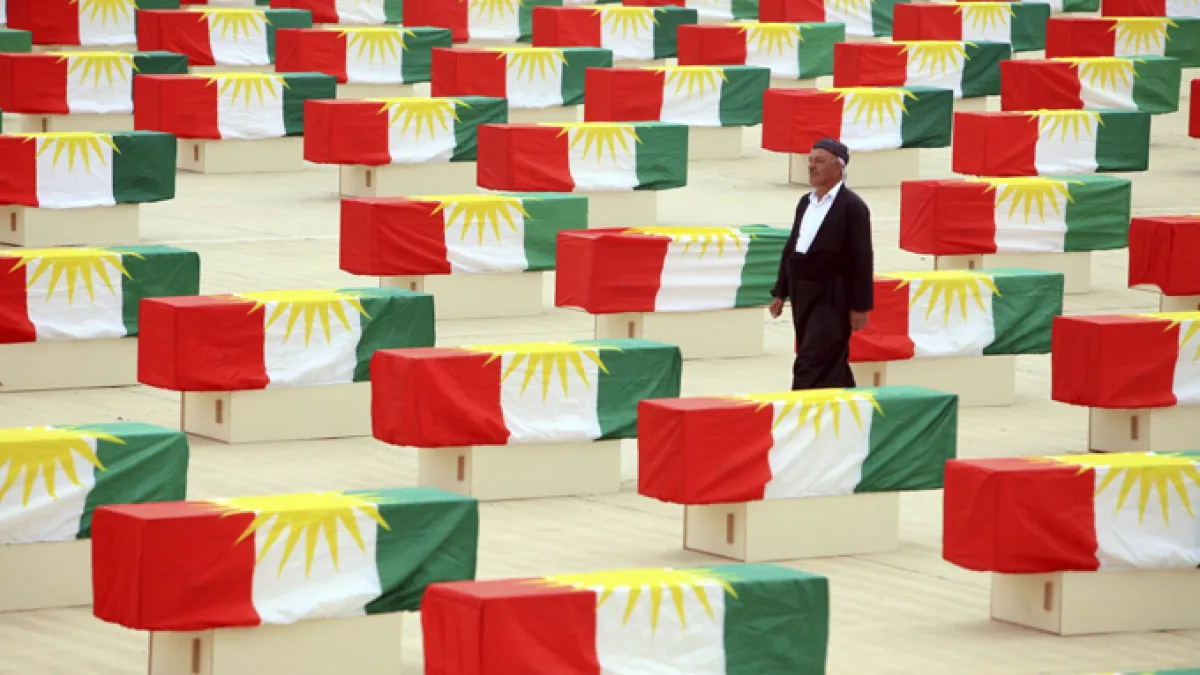
دهۆك، ٢٧ـی شوباتا ٢٠٢٥ - زانكۆیا دهۆك پابەندبوونا خۆ ب ڤەکۆلینێن جینۆسایدێ، پاراستنا دیرۆکی، و پارێزڤانیا مافێن مرۆڤی دووپات کر ب رێکخستنا پانێلەکێ ئەکادیمی یێ پایەبەرز بۆ بیرئینانا ٣٧ ساڵێن پشتی جینۆسایدا ئەنفالێ. ئەڤ بۆنەیە ژ لایێ سەنتەرێ ڤەکۆلینێن جینۆسایدێ، چاپتەرێ زانكۆیا دهۆك یێ کۆمەلا کیمیایی یا ئەمریکی (ACS) - ، و سەنتەرێ بێشکچی بۆ ڤەکۆلینێن مرۆڤایەتی هاتە رێکخستن، و بکارئینانا چەکێن کیمیایی، دادپەروەریا یاسایی، و کارتێکرنا درێژخایەن ل سەر جڤاکێن کوردی ڤەکۆلاند.
پانێلێ ئەکادیمی ل سەنتەرێ کۆنفرانسان یێ زانكۆیا دهۆك (UNCC) برێڤەچوو، پسپۆرێن یاسایی، ڤەکۆلەر، و قوتابیێن دەرچووی کۆمڤەکرن دا کو رەهەندێن دیرۆکی، زانستی، و یاسایی یێن ئێک ژ تاریترین پشكێن دیرۆکا کوردی گەنگەشە بکەن.
تێڕوانینێن ئەکادیمی ل سەر ئەنفالێ: جینۆساید، شەڕێ کیمیایی، و دادپەروەری
جینۆسایدا کەمپینا ئەنفالێ، ژ لایێ رژێما بەعس ڤە هاتبوو پلانکرن، بوو ئەگەرێ توناکرنا سیستەماتیک و ئاوارەکرنا هەزاران وەلاتیێن سیڤیل یێن کورد. ئەڤ بیرئینانە دیتنا ستراتیژی یا زانكۆیا دهۆك د پێشڤەبرنا ڤەکۆلینێن جینۆسایدێ، ڤەکۆلینێن فۆرێنسیک، و پارێزڤانیا مافێن مرۆڤی یێن ناڤدەولەتی رەنگڤەددەت، و دلنیایێ ددەت کو مێراتا ئەنفالێ وەک چەقا سەرەکی یا گۆتارا ئەکادیمی دمینیت.
گەنگەشێن سەرەکی یێن پانێلی
🔹 پاراستنا بیرهاتنا دیرۆکی – پەیڤێن دەستپێکێ ژ لایێ د. داود سلێمان ئەتروشی
د. داود سلێمان ئەتروشی، سەرۆکێ زانكۆیا دهۆك، جەختکر ل سەر گرنگیا بیرهاتنا دیرۆکی وەک بنگەهەک بۆ دادپەروەری و لێبوریێ:
"ل زانكۆیا دهۆك، ئەم پابەندین ب دلنیاکرنا کو بیرهاتنێن قوربانیێن ئەنفالێ زیندی بمینن—نە ب تنێ وەک رێزگرتنەک بۆ وان یێن کو ئێش کێشاین بەلکو وەک بەرپرسیاریەکا ئەخلاقی و ئەکادیمی بۆ پەروەردەکرنا نڤشێن داهاتی."
وی هەروەسا تێکەلکرنا ڤەکۆلینێن جینۆسایدێ د چارچۆڤێ ئەکادیمی یێ زانكۆیا دهۆك دا دیارکر، و رۆلێ زانکۆیێ وەک پێشەنگەکێ هەرێمی د ڤەکۆلینێن ناکۆکیان، ڤەکۆلینێن مافێن مرۆڤی، و دەستپێشخەریێن دادپەروەریا پشتی-جینۆسایدێ دا بهێزکر.
بکارئینانا ستراتیجی یا چەکێن کیمیایی د ئەنفالێ دا – تێگەهشتنێن ژ د. سەلیم جاسم حاجی
د. سەلیم جاسم حاجی، رێڤەبەرێ سەنتەرێ ڤەکۆلینێن جینۆسایدێ، شرۆڤەیەکا بەرفرەهـ یا کەمپینا شەڕێ کیمیایی د ماوێ ئەنفالێ دا پێشکێشکر، و مۆتیڤاسیۆنێن تەکتیکی و سیاسی یێن پشت ڤان هێرشان روونکرن.
وی هویرکاری ل سەر چەوانیا بکارئینانا گازا خەردەل و ئەکتەرێن ژناڤبرنێ ب شێوەیەکێ سیستەماتیک بۆ وێرانکرنا گوندێن کوردی دان، کو بوونە ئەگەرێ قوربانیێن بکۆم و زیانێن ژینگەهی یێن نەچارەسەرکرنی.
"ئەنفال نە ب تنێ ئۆپەراسیۆنەکا لەشکەری بوو؛ کریارەکا ژیرانە یا قرکرنێ بوو کو ئارمانجا وێ ژێبرنا ناسناما کوردی بوو،" د. جاسم دیارکر.
چارچۆڤێ یاسایی: سزادانا تاوانباران – پارێزەر محەمەد سالح ئامێدی
پسپۆرێ یاسایی محەمەد سالح ئامێدی پۆلێنکرنا دادگەهی یا ئەنفالێ د بن یاسایا ناڤدەولەتی دا ڤەکۆلا، و ئەڤ خالێن گرنگ دیارکرن:
- ناسینا ئەنفالێ وەک تاوانا شەڕی و تاوانا دژی مرۆڤایەتیێ ژلایێ دادگەها بلند یا عیراقی.
- رۆلێ بەلگەکرنا یاسایی د بدەستڤەئینانا سزایان بۆ تاوانێن پەیوەندیدار ب چەکێن کیمیایی.
- پێدڤیا کار و خەباتا یاسایی یا بەردەوام بۆ دلنیابوون ژ دادپەروەری، ناسین، و قەرەبووکرنا بازماندەیێن ئەنفالێ.
وی هاندانا خێزانێن زیانڤێکەڤتی کر کو رێڕەوێن یاسایی یێن ناڤدەولەتی بشویندانێ بکەن بۆ هێلانا دۆزا ئەنفالێ دیار د گۆتارا مافێن مرۆڤی یا جیهانی دا.
ئەنجامێن ژینگەهی و تەندروستی: کەیسا گوندێ برجینی – بەڕێز ئاراس کوردۆ برجینی
ڤەکۆلەرێ ژینگەهی ئاراس کوردۆ برجینی خواندنەكا کەیسی ل سەر گوندێ برجینی پێشکێشکر، و هویرکاریێن ئەنجامێن درێژخایەن یێن بەرکەڤتنا ب چەکێن کیمیایی دان، ژ وان:
☣️ زێدەبوونا رێژا شێرپەنجێ و نەساخیێن بۆماهی د ناڤ بازماندەیان دا.
☣️ پیسبوونا ئاخ و ئاڤێ، کو ئەردێ چاندنێ یێ نەبکارهاتی هێلایە.
☣️ وێرانکرنا ئابووری یا جڤاکێن گوندی یێن زیانڤێکەفتی.
ڤەکۆلینا وی جەخت ل سەر پێدڤیا لەز یا پرۆگرامێن ژنویڤەئاڤاکرنا ژینگەهی و پشتەڤانیا پزیشکی یا درێژخایەن بۆ جڤاکێن زیانڤێکەفتی کر.
تێگەهشتنا چەکێن کیمیایی: پێشکێشکرنا دەرچوویا زانكۆیا دهۆك ئەسما کەریم مستەفا
دەرچوویا زانكۆیا دهۆك ئەسما کەریم مستەفا پێشکێشکرنەکا تێگەهشتنێ ل سەر پێکهاتا کیمیایی، رێکێن بکارئینانێ، و کارتێکرنێن تەندروستی یێن بەردەوام یێن چەکێن بکارهاتی د ئەنفالێ دا پێشکێشکر.
دانیشتنا وێ دۆکیومێنتاریەک ب رویدانێن بازماندەیان و ڤیدیۆیێن ئەرشیڤی ناڤدگرت، کو بیرئینانەکا بهێز یا هۆڤیتی یێن هاتینە ئەنجامدان و کارتێکرنا وان یا بەردەوام دابینکر.
پابەندبوونا زانكۆیا دهۆك ب ڤەکۆلینا جینۆسایدێ و پارێزڤانیا مافێن مرۆڤی
ئەڤ بیرئینانە دگەل ستراتجژیا درێژخایەن یا زانكۆیا دهۆك بۆ دیارکرنا خۆ وەک ناڤەندەکا هەرێمی بۆ ڤەکۆلینێن جینۆسایدێ، پەروەردەیا مافێن مرۆڤی، و ڤەکۆلینا یاسایا ناڤدەولەتی دگونجیت. زانکۆ بەردەوامە ل سەر بەرفرەهکرنا دەستپێشخەریێن خۆ یێن ئەکادیمی و سیاسەتداڕێژتن، ب فۆکوسەک ل سەر:
- لێبوری و دادپەروەریا پشتی-جینۆسایدێ – پەرەپێدانا چارچۆڤان بۆ پشتەڤانیا بازماندەیان و دادپەروەریا گوهازتی.
- ڤەکۆلینێن فۆرێنسیک ل سەر تاوانێن شەڕی – پێشڤەبرنا بەلگەکرنا زانستی یا بەلگەیێن جینۆسایدێ.
- ئەرشیڤکرنا دیجیتال و رویدانێن بازماندەیان – پاراستنا دیرۆکا کوردی ب رێیا ڤەکۆلین و پلاتفۆرمێن دیجیتالی.
- پەرەپێدانا سیاسەتێن مافێن مرۆڤی – پشكداریكرن دگەل رێکخراوێن ناڤدەولەتی بۆ پارێزڤانیکرن ل سەر پاراستنێن یاسایی.
ب پەرەپێدانا هەڤکاریێن ئەکادیمی یێن جیهانی، زانكۆیا دهۆك دلنیایێ ددەت کو دەرسێن ئەنفالێ د ناڤەندا گەنگەشێن هەڤچەرخ ل سەر پێشگرتنا جینۆسایدێ و دادپەروەریا گوهازتی دا دمینن.
پشكداریكرنا جڤاکێ جیهانی د هوشیاریا جینۆسایدێ دا
بۆنەیە ب گەنگەشەیەکا کارلێککەر یا پانێلی دویماهیک هات، کو د وێ دا زانا و ئامادەبووی رێکێن تێکەلکرنا پەروەردەیا جینۆسایدێ د بەرنامێن زانکۆیێ دا و باشترکرنا هوشیاریا جیهانی ب رێیا هەڤپەیمانیێن ئەکادیمی گەنگەشەکرن.
ب رێیا دەستپێشخەریێن ب ڤی رەنگی، زانكۆیا دهۆك بەردەوامە ل سەر پەرەپێدانا تێگەهشتنەکا کویرتر یا هۆڤیتیێن دیرۆکی، پارێزڤانیکرن ل سەر دادپەروەریا ناڤدەولەتی، و بهێزکرنا نڤشێ داهاتی یێ زانایان بۆ پشكداریكرن د خەباتا جیهانی دژی جینۆساید و پێشێلکرنێن مافێن مرۆڤی.
📢 بۆ زانیاریێن زێدەتر ل سەر ڤەکۆلینێن جینۆسایدێ و دەستپێشخەریێن مافێن مرۆڤی یێن زانكۆیا دهۆك، سەرەدانا سەنەرێ ڤەکۆلینێن جینۆسایدێ بکەن.
📍 راگەهاندنا زانكۆیا دهۆك | ٢٧ـی شوباتا ٢٠٢٥
- راپۆرت ژ لایێ: نیبار حاجی حسێن
- وێنەگرتن ژ لایێ: محەمەد عەبدولکەریم تاهر
🔎 پەیڤێن سەرەکی یێن SEO
- بیرئینانا جینۆسایدا ئەنفالێ
- ڤەکۆلینێن جینۆسایدێ یێن زانكۆیا دهۆك
- کارتێکرنا چەکێن کیمیایی ل سەر کوردان
- مافێن مرۆڤی و دادپەروەریا جینۆسایدێ
- ڤەکۆلینێن ئەکادیمی ل سەر دیرۆکا کوردی
- تاوانێن شەڕی و ڤەکۆلینێن فۆرێنسیک
- دادپەروەریا گوهازتی ل کوردستانێ
- بەلگەکرنا یاسایی یا جینۆسایدێ