University of Duhok Marks Mother Language Day with Academic Events at Colleges of Languages and Education
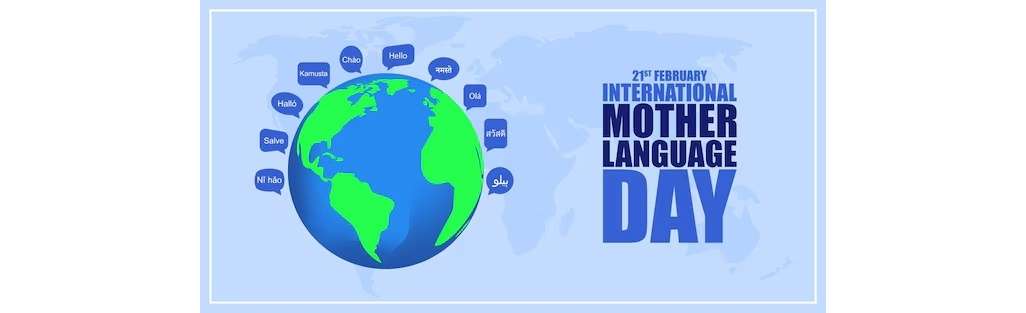
UOD, February 23, University Press Office (UNPO) | As part of its commitment to cultural sustainability, multilingual education, and academic innovation, the University of Duhok marked International Mother Language Day, which marks February 21, through two complementary academic events hosted by the College of Languages and the College of Education, reinforcing the university’s strategic role in safeguarding linguistic heritage while preparing students for a digitally interconnected world.
First: College of Languages Symposium
The College of Languages organized a specialized academic symposium that examined Kurdish language development, translation futures, linguistic unity, and intercultural dialogue.
The program opened with a welcoming address by the Dean, Dr. Abuobaida Abdullah Dheyab, emphasizing the strategic importance of language studies in strengthening academic research, global engagement, and intercultural understanding. He emphasized that the University President has always shown intense care for the mother language and integrating it in the university entities. He highlighted the Prime Minister, Mr. Masrour Barzani’s role in preserving both Kurmanji and Sorani dialects.
A session on mother language awareness and common writing challenges among university students, by Dr. Kasar Yaseen Mohammed and Dr. Parween Raoof Hadi, Department of Kurdish Language, stressed that language preservation begins with strong literacy practices. The speakers underlined that accurate writing, grammar awareness, and reading culture are essential for safeguarding Kurdish linguistic heritage and strengthening academic communication.
The symposium then explored the global dimension of language professions in a presentation titled “AI and the Future of Translation and Interpretation.” The session presented by Dr. Shivan Shlemon Toma, from the Department of Translation, emphasized that artificial intelligence should be viewed as a partner rather than a replacement for human translators, noting that technology enhances productivity while human cultural insight, ethical judgment, and linguistic nuance remain irreplaceable.
Another presentation examined the role of Kurdish language and Arabic language in supporting social cohesion and identity, delivered by Dr. Mohammed Amin Waheed, from the Department of Arabic Language. He stressed that learning Arabic alongside preserving one’s mother language strengthens intercultural understanding. Referencing Qur’anic verses, he highlighted how linguistic diversity, national identities, and human differences are presented as sources of mutual knowledge and coexistence rather than division.
A notable scholarly contribution came from the Department of Persian Language specialist Zirak Obaid Mohammed, who presented a research-based talk on the place of the Kurdish language in Persian historical sources and modern academic studies. His presentation demonstrated that Kurdish has long been referenced in classical Persian historiography, linguistics, and literary scholarship, underscoring its status as an independent language within the Iranian language family.
The symposium also featured a literary-linguistic presentation titled “The Cracked Mirror: Kurdish Fiction and the Challenge of Linguistic Unity.” The talk given by Dr. Lolav Mohammed Hasan, Department of English Language, explored how dialect diversity and the absence of a standardized Kurdish language influence literary production, translation, and cultural cohesion, while also opening possibilities for broader global recognition of Kurdish literature.
Second: College of Education Workshop
Complementing the symposium, the College of Education organized a workshop focusing on mother language learning, child development, and cultural transmission.
Speakers, including: Dr. Zozan Sadiq Saeed, Dr. Kamiran Ibraheem, Mr. Mardan Rafaat Abozaid, and Mr. Dawoode Inse Khaje,emphasized that early childhood exposure to the mother language plays a decisive role in cognitive development, emotional bonding, and identity formation. Sessions also highlighted the role of education systems in nurturing linguistic confidence and ensuring that children grow up with strong communication skills rooted in their cultural heritage.
Additional presentations explored the historical contribution of oral traditions, including dengbêj storytelling, in preserving Kurdish vocabulary and collective memory, as well as the increasing influence of social media in promoting language awareness among younger generations.
The workshop concluded with interactive discussions that encouraged collaboration among educators, researchers, and students to advance language preservation through modern pedagogical approaches and digital platforms.
Strategic Significance
Through these coordinated events, the University of Duhok reaffirmed its commitment to:
- strengthening language research and academic literacy
- promoting multilingual competence and intercultural dialogue
- supporting digital transformation in language education
- preserving cultural and linguistic heritage
- aligning academic programs with global knowledge economies
These initiatives demonstrate how the university integrates cultural responsibility with academic innovation, positioning itself as a regional leader in language studies and heritage preservation.
CLICK HERE TO VIEW THE MEDIA COVERAGE FOR THESE EVENTS
University Press Office, February 23, 2026
Reported by: Ismat Mahmoud Mohammed, Fatima Mahmood Ai, Rondik Fadhil Adil
Photography: Mohammed A. Tahar, Nibar Haji Hussein
The News Keywords
- University of Duhok languages symposium
- Mother Language Day Kurdistan
- Kurdish language research
- Multilingual education UOD
- Language and culture preservation