UOD Completes Cultural Tradition Project in Nineveh Plains with Botanical Garden Opening and Conference
UOD Completes Cultural Tradition Project in Nineveh Plains with Botanical Garden Opening and Conference
On October 8, 2024, the University of Duhok (UOD) hosted a significant dual event as part of the “Support to Traditional Cultural Practices in Northern Iraq” project. This initiative, funded by USAID and supported by LASER PULSE, included the official opening of the UOD Botanical Garden and a conference titled “Restoring Cultural and Agricultural Landscapes: Post-Conflict Recovery for Minority Groups in Nineveh Plains.” The project aims to address challenges in the agricultural and food sector while promoting sustainable solutions for the future, particularly benefiting minority communities affected by past conflicts.
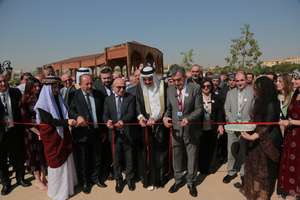
Opening Ceremony of the UOD Botanical Garden
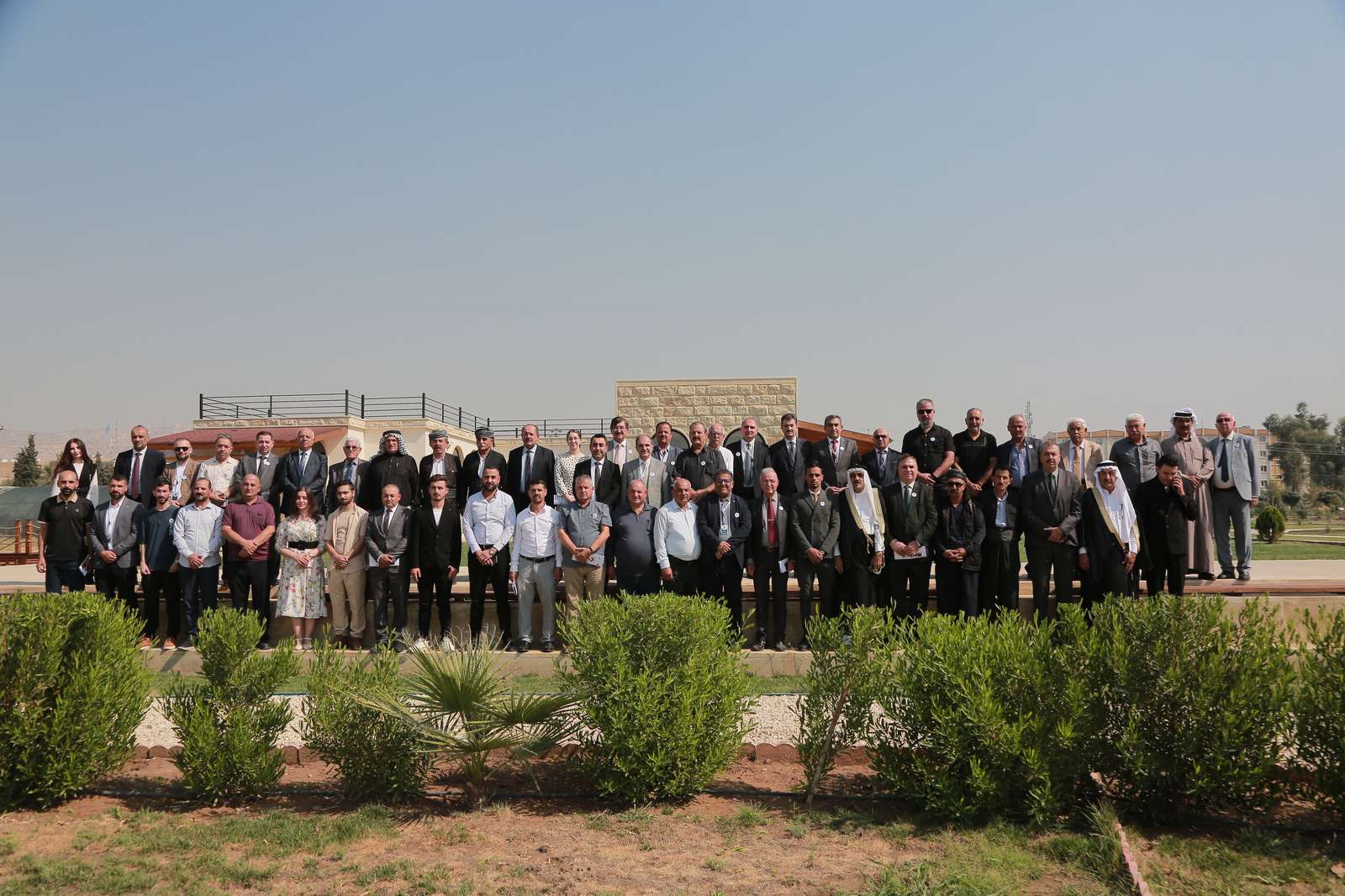
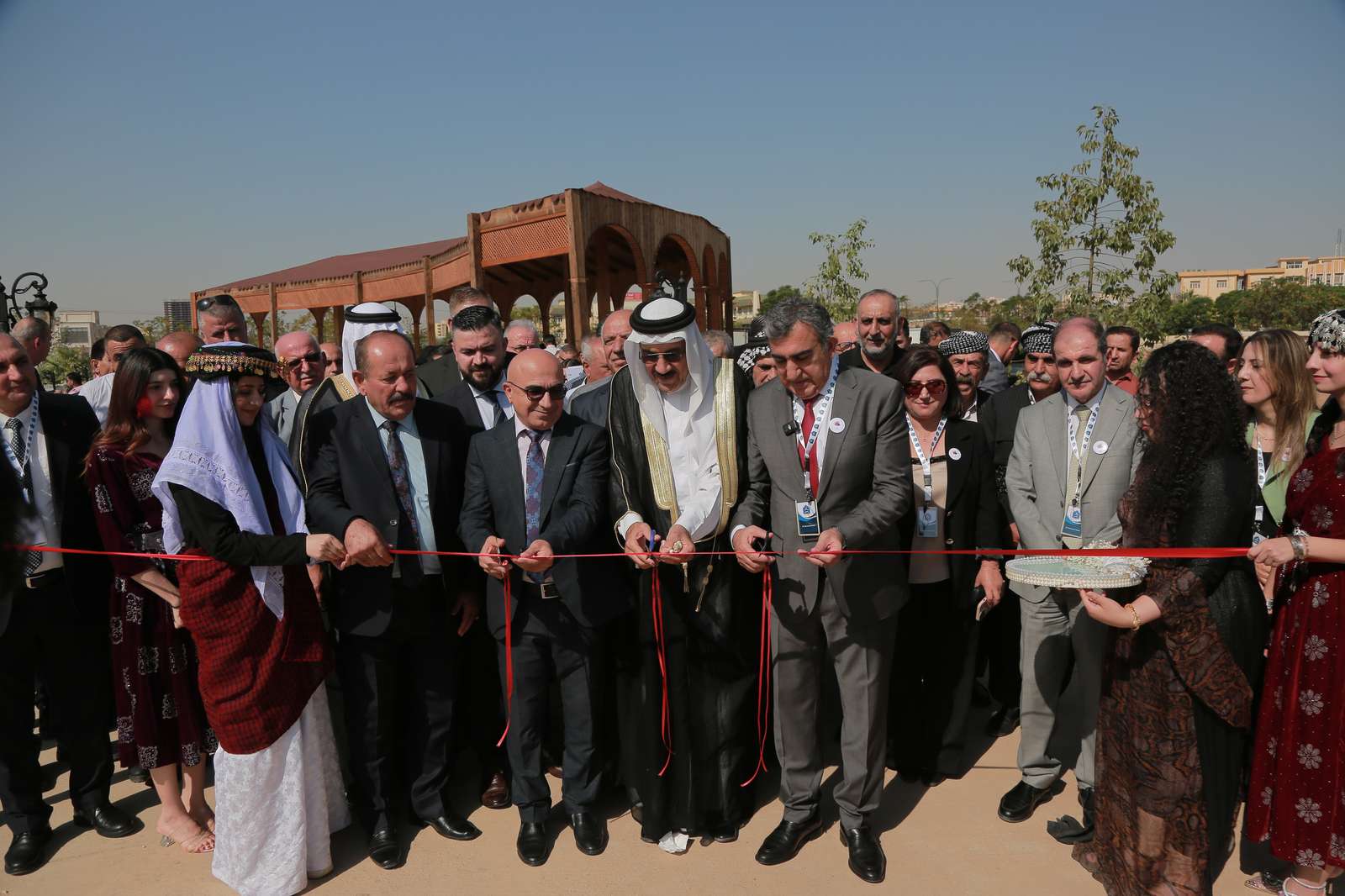
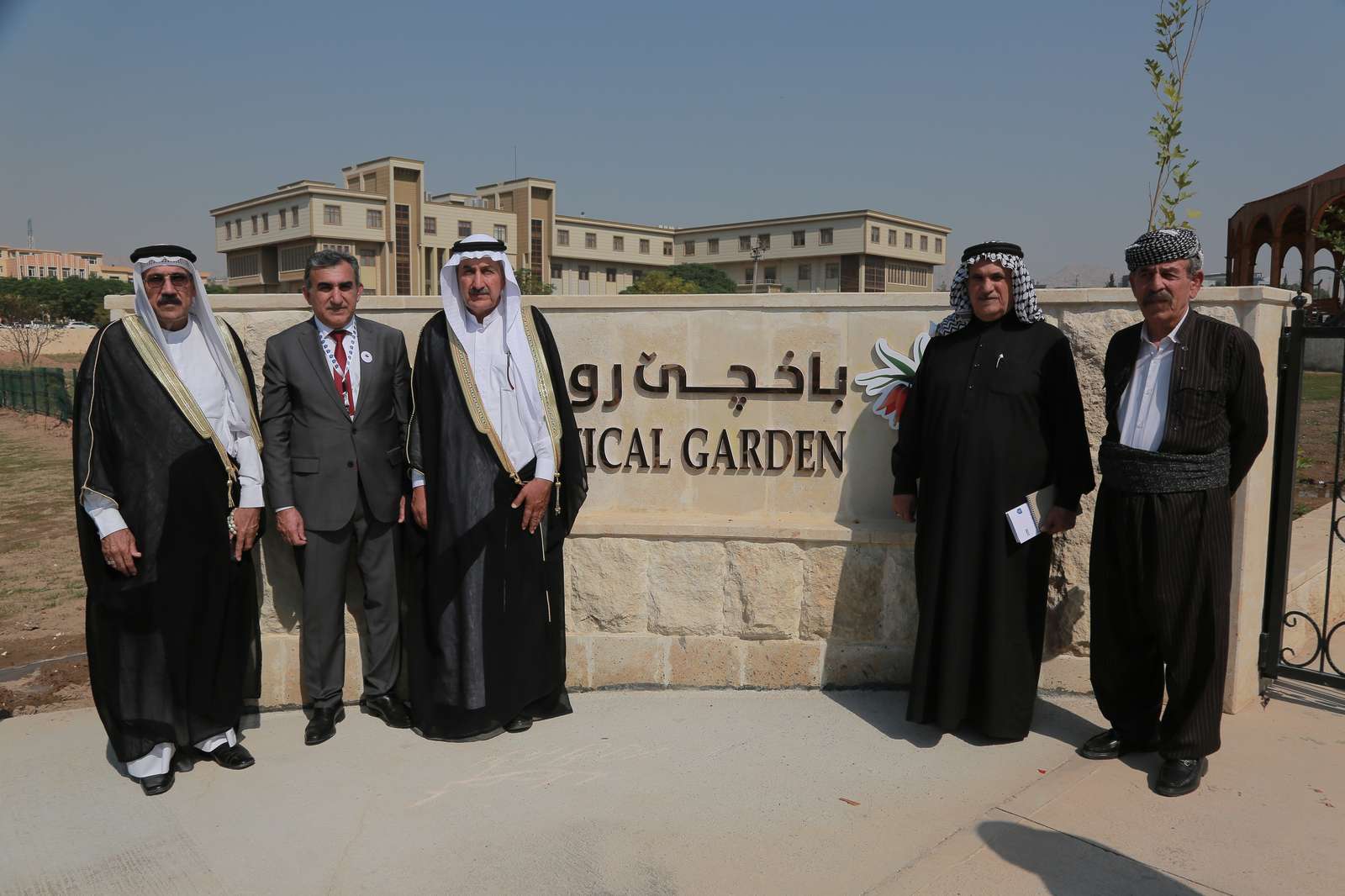
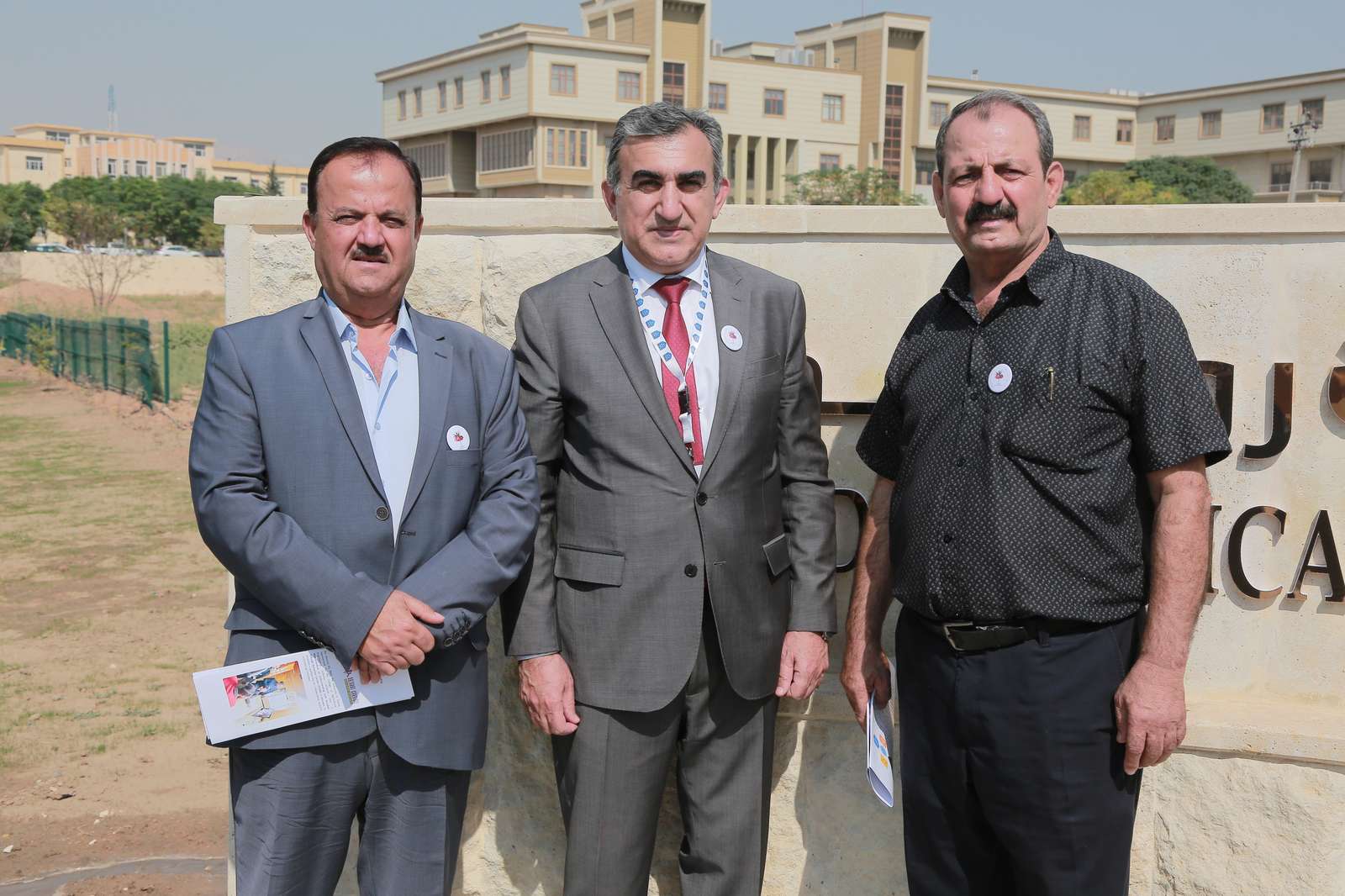
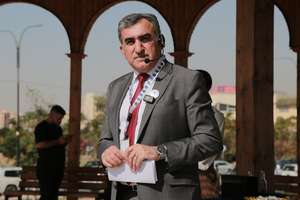
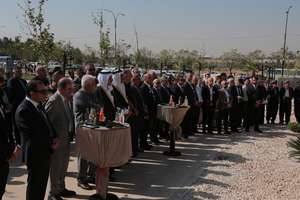
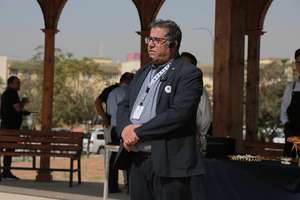
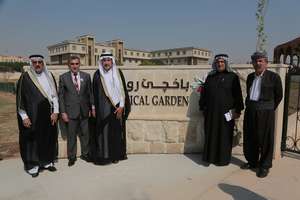
The event began with the inauguration of the UOD Botanical Garden, situated on the University’s main campus. The garden covers 12,500 square meters, with plans for an additional 12,500 square meters of expansion. It serves as a new educational and ecological space for the University’s students, staff, and the Duhok City community. The garden features a diverse collection of trees, shrubs, and native plants, alongside facilities such as an herbarium, a nursery production area, and shaded zones for visitor engagement and learning. This initiative aims to raise environmental awareness, conserve threatened plant species, and preserve cultural practices related to wild plants.
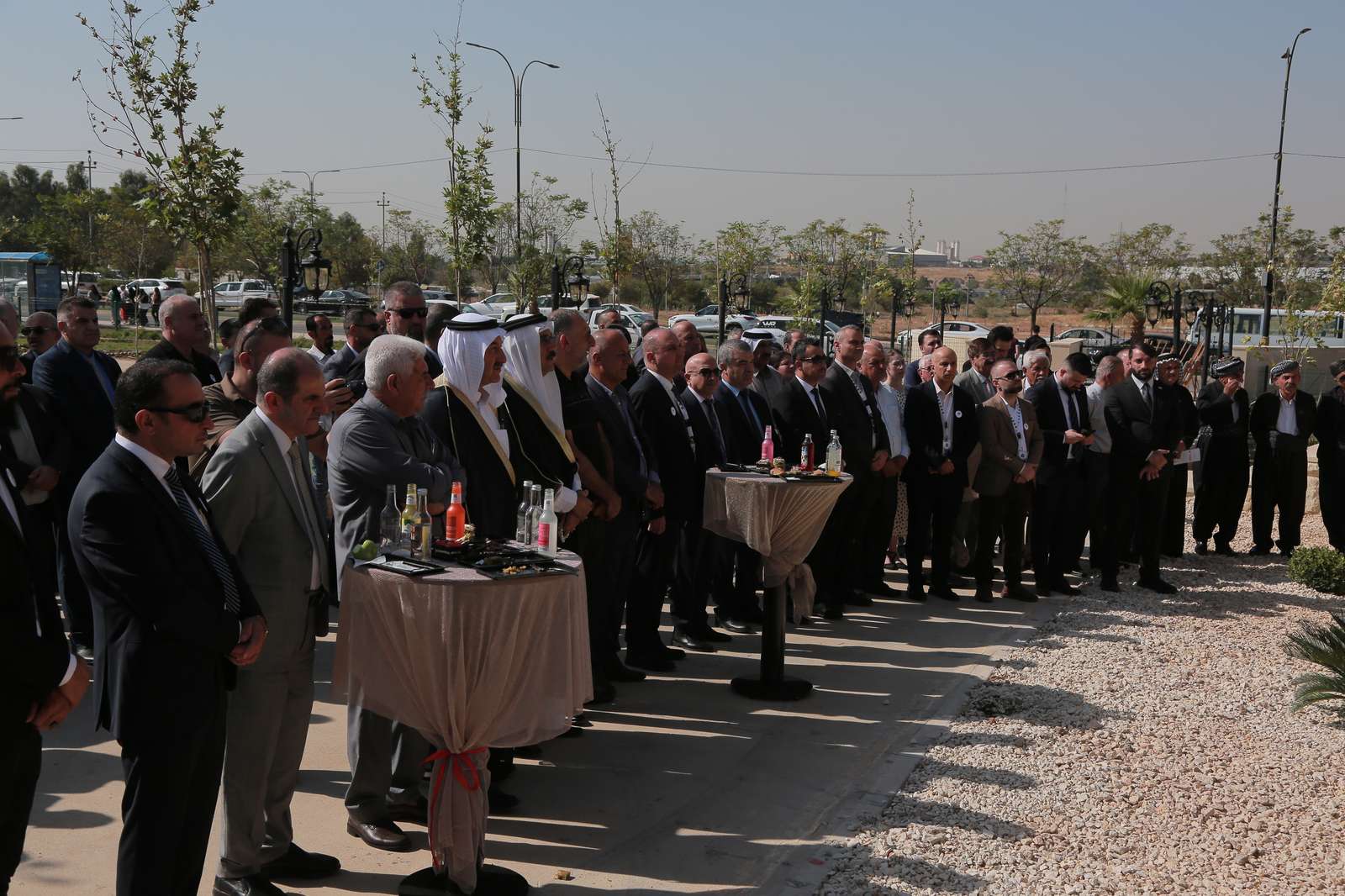
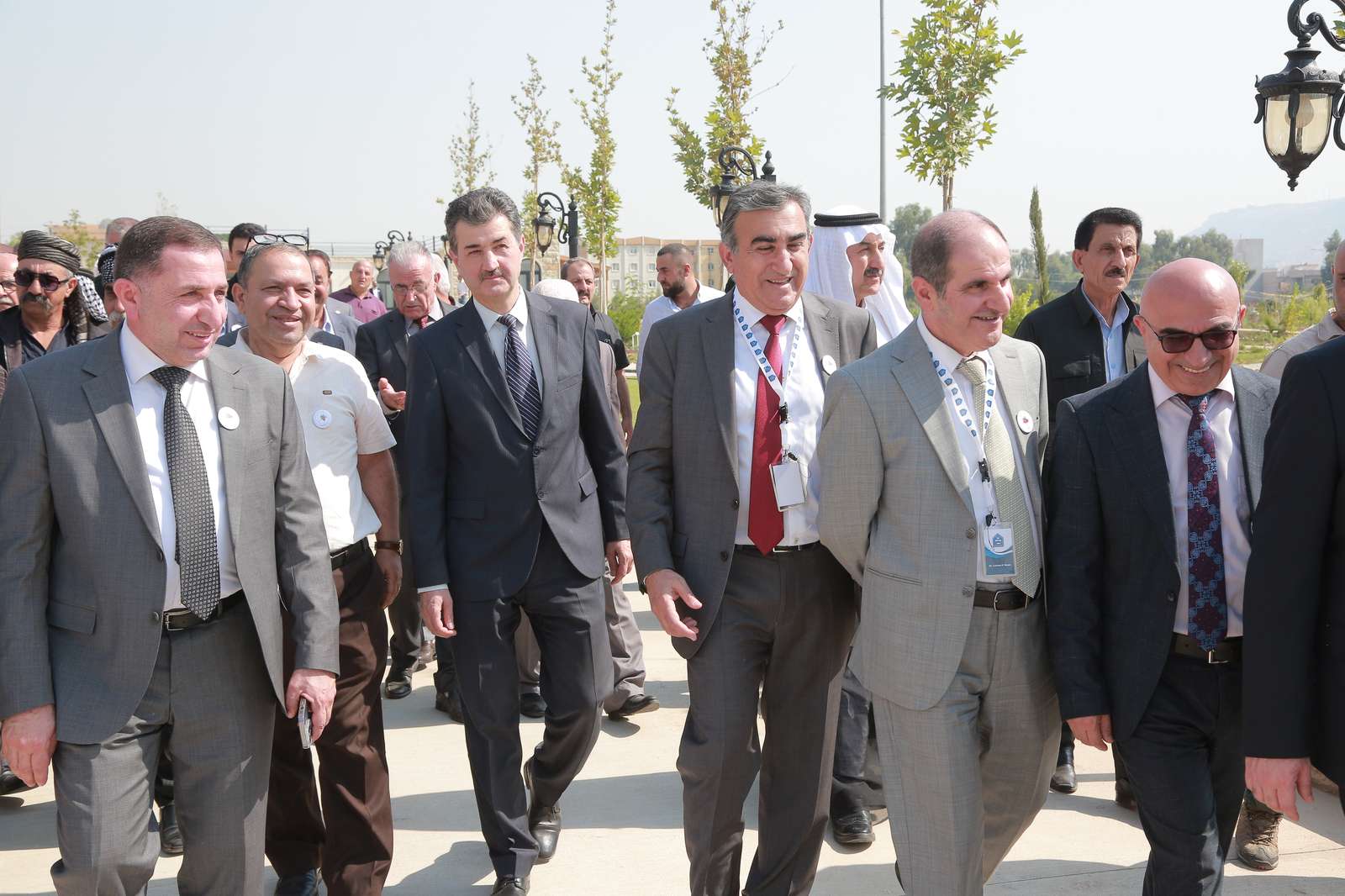
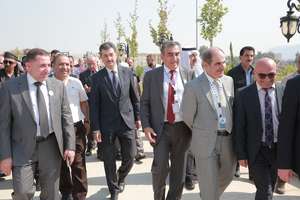
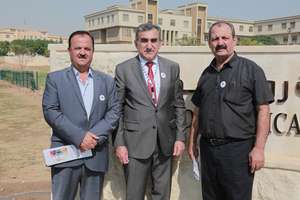
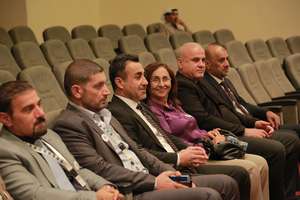
The ceremony included a guided tour of the garden, attended by local officials, university representatives, and project partners. The tour highlighted the garden's role in supporting research, education, and conservation efforts, emphasizing its potential as a resource for ecological recovery and the preservation of cultural heritage in the region.
Conference on Restoring Cultural and Agricultural Landscapes
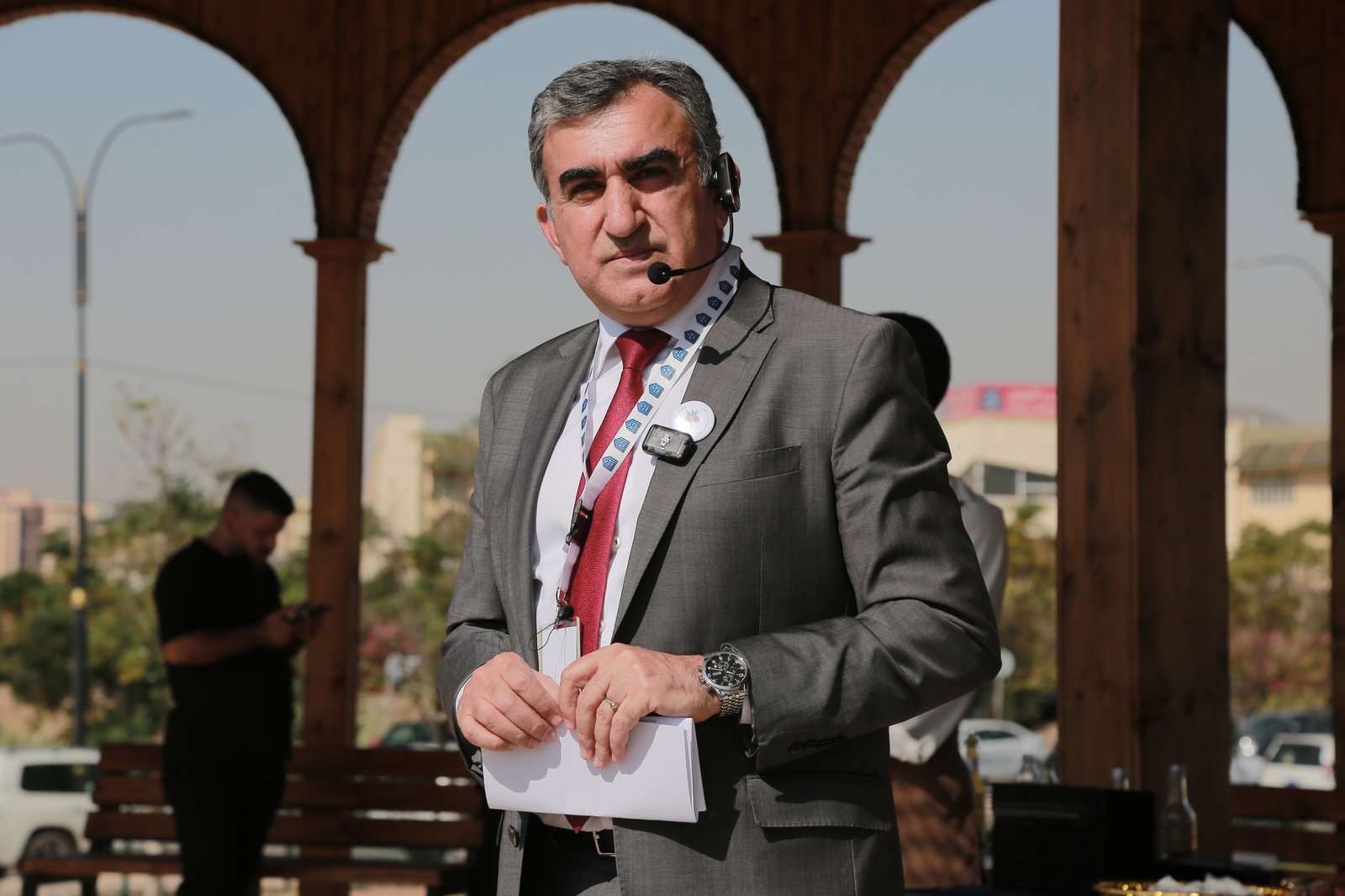
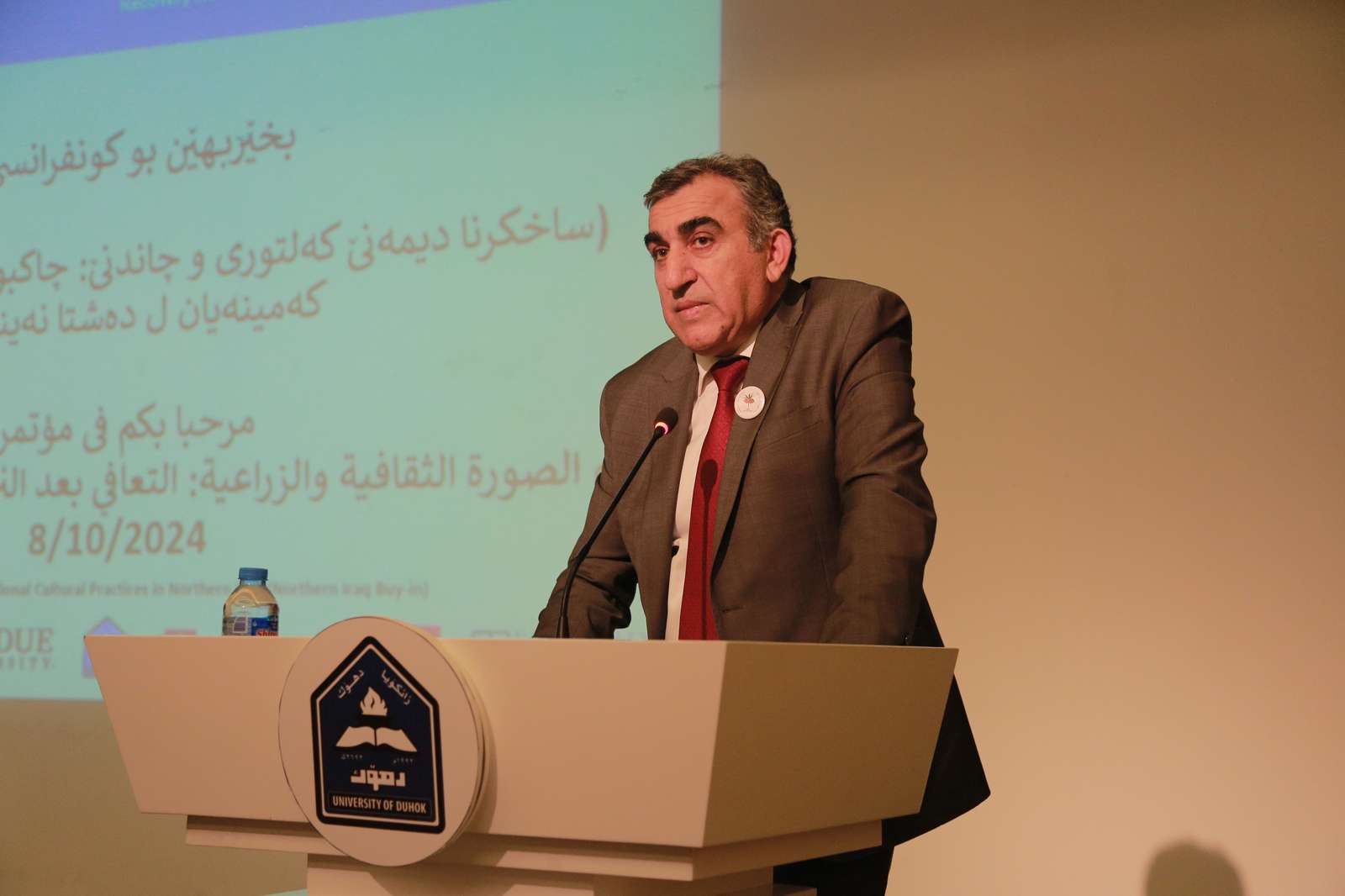
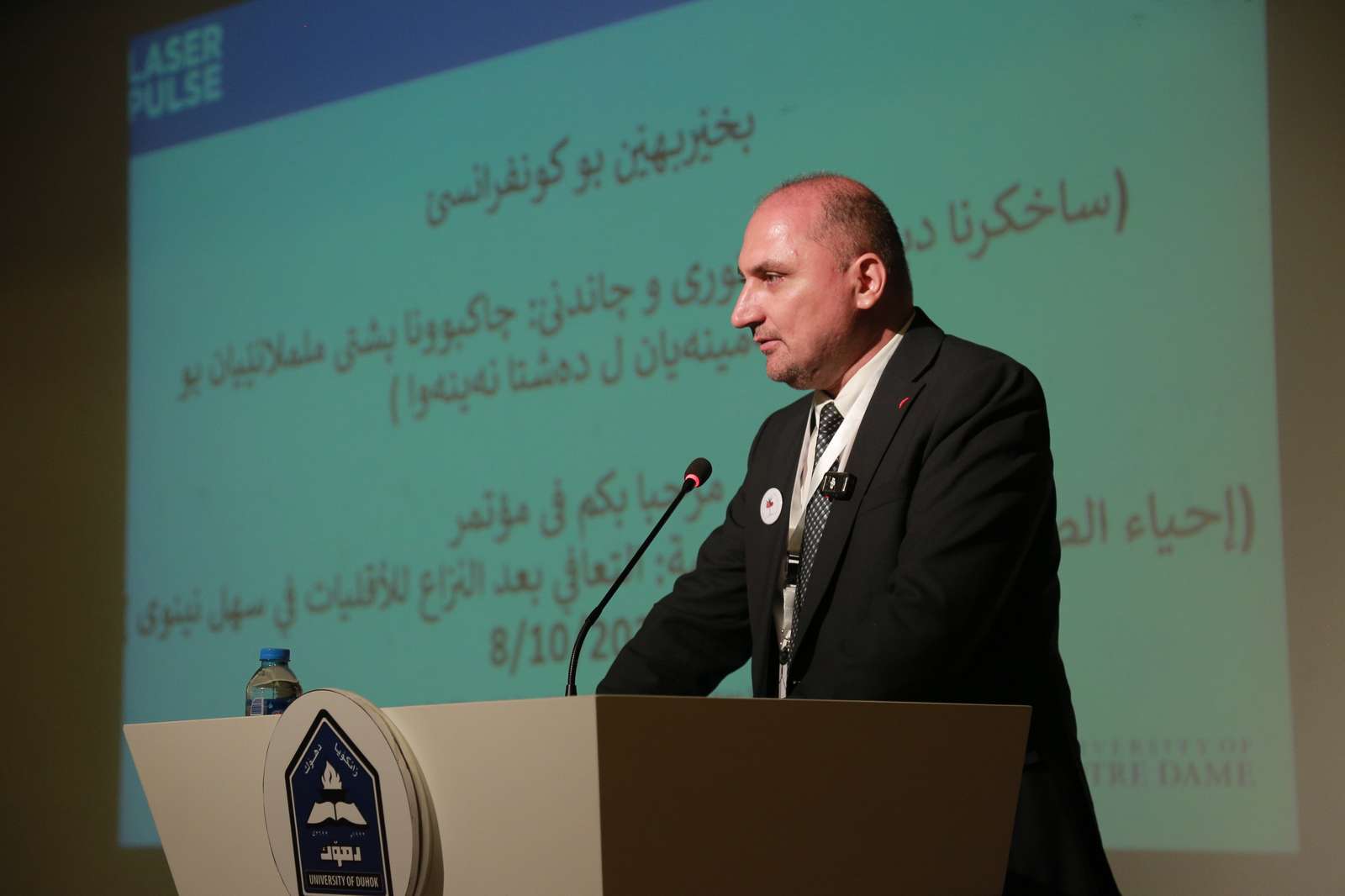
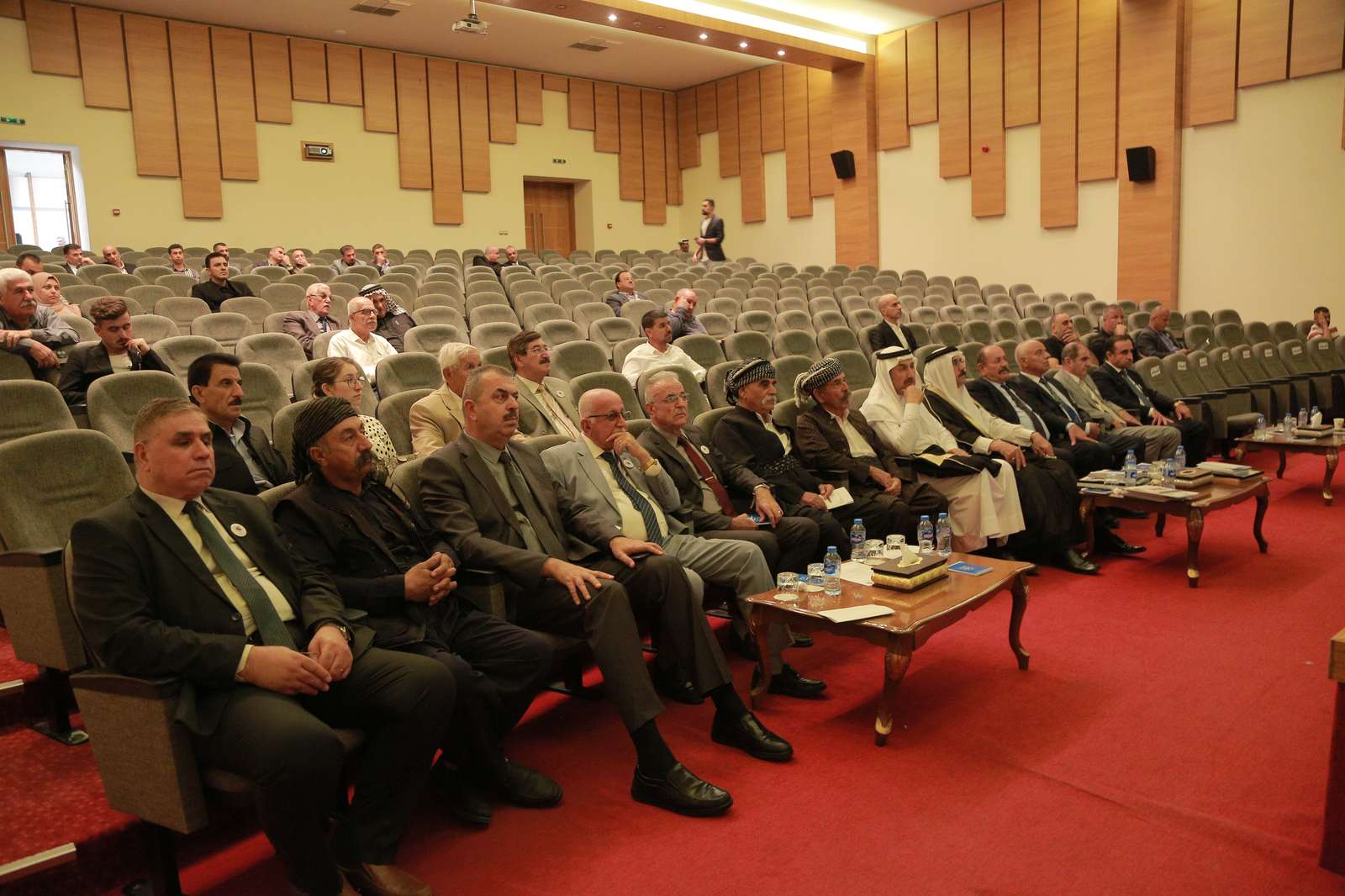
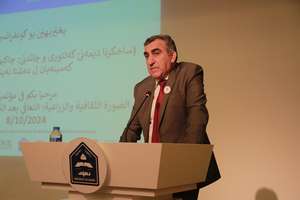
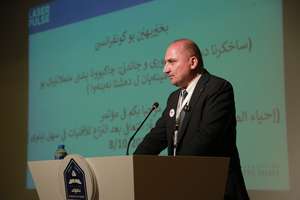
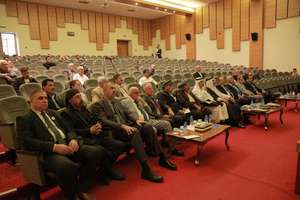
Following the garden's opening, the conference took place at the UOD’s Convention Center. Dr. Dawood Sulaiman Atrushi, President of UOD, delivered opening remarks, emphasizing the University’s dedication into aiding the recovery of minority communities in the Nineveh Plains. Dr. Nashwan Shawkat, the project coordinator, presented an overview of the project’s vision, which integrates traditional agricultural knowledge with modern practices to address the needs of local communities.
Presentations and Insights
- Evaluation of Agricultural Resources in Nineveh Plains - Dr. Shawkat Abdulrazaq
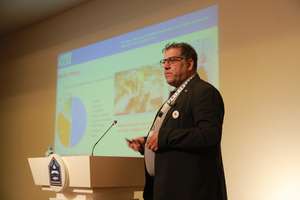
Dr. Shawkat Abdulrazaq discussed the evaluation of agricultural resources in the Nineveh Plains, a region known as Iraq's "breadbasket." His presentation highlighted the region’s agricultural wealth and the severe impact of the 2014 ISIS occupation, which led to the displacement of nearly one million people and extensive damage to infrastructure. He detailed the missions of the Extension Team, focusing on identifying valuable resources for minority farmers in areas such as Al Hamdaniya, Telkaif, and Bashiqa. The team conducted field visits to gather data, raise awareness among farmers, and promote sustainable agricultural practices, aiming to enhance the quality and quantity of agricultural production.
- Marketing Local Olive Products - Dr. Asaad Ali Karam & Dr. Rezgar Mohammed
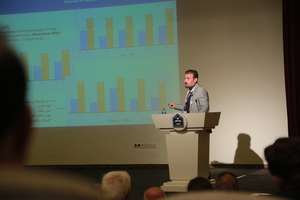
Dr. Asaad Ali Karam and Dr. Rezgar Mohammed presented on the Marketing Team’s efforts in supporting the production and marketing of local olive products, emphasizing their cultural significance and health benefits. They discussed their field visits to the Nineveh Plains, data collection from olive farmers, and a detailed analysis of market competition. In collaboration with Purdue University and the University of Notre Dame, the team developed strategies to enhance the marketability of local olive products, creating new economic opportunities for the region's communities.
- Restoring Wild Plant Cultural Practices - Dr. Hassan Najman
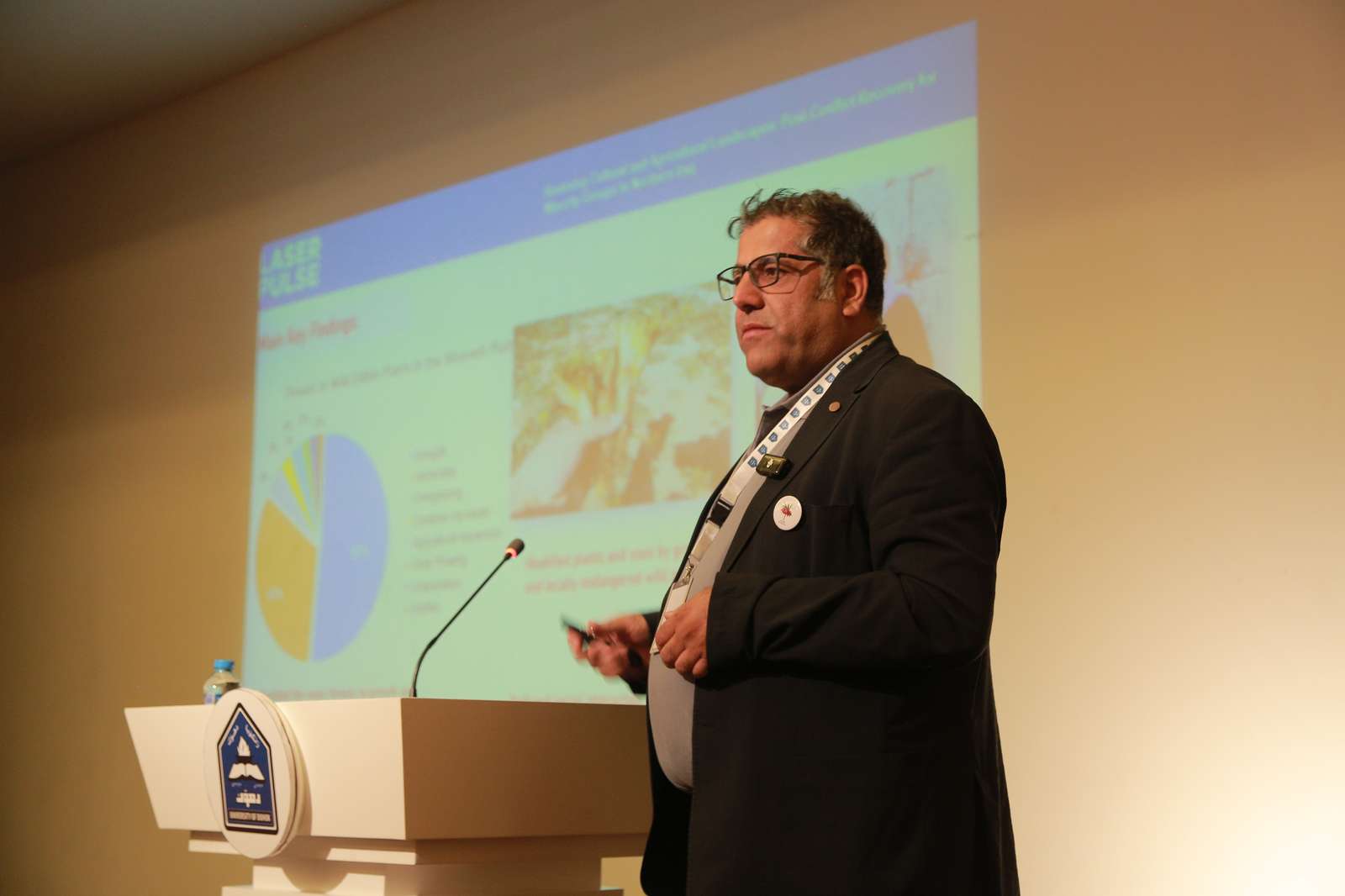
Dr. Hassan Najman’s presentation focused on the importance of wild plants for the cultural practices of ethnoreligious minorities in the Nineveh Plains. He highlighted how wild plants play a crucial role in traditional medicine, ceremonial rituals, animal husbandry, and income generation. He emphasized the risks associated with the decline of certain wild plant species, which could lead to the loss of cultural diversity and heritage. Dr. Najman proposed future directions for the project, including partnerships between elders and youth, infrastructure support for agricultural borders, and ongoing expansion of the herbarium and botanical gardens to preserve these important cultural traditions.
- Social Cohesion in the Nineveh Plains - Dr. Omran Omer
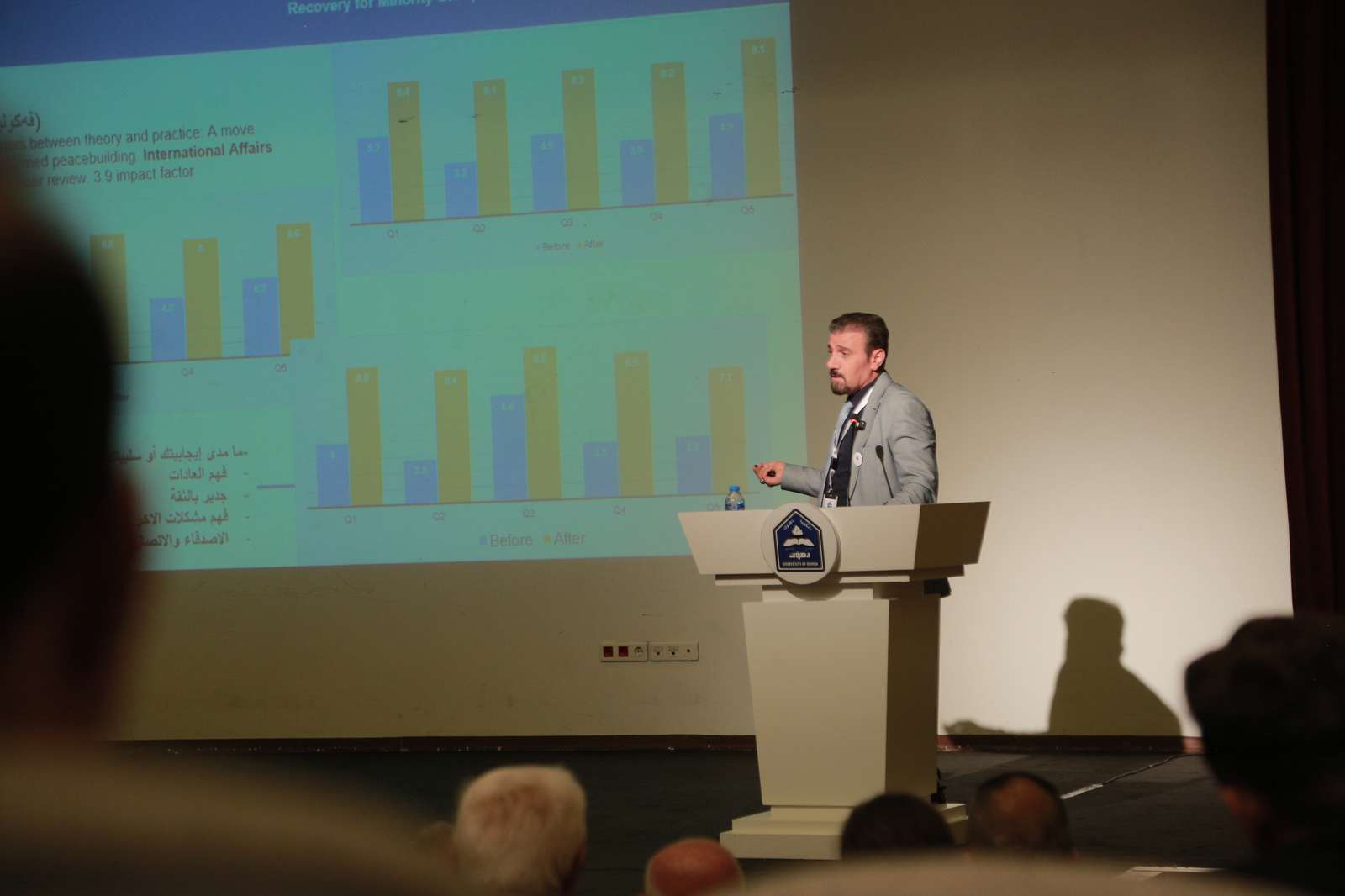
Dr. Omran Omer discussed the crucial role of social cohesion in the Nineveh Plains, presenting various advocacy activities offered by the Advocacy Team, aimed at fostering peace among diverse communities. He outlined initiatives such as individual and group meetings, awareness sessions, and exhibitions, including the Alqosh Exhibition. Through programs like "Peace Voice" radio, the project aims to promote interaction and understanding between different ethnic groups, such as Christians, Shabaks, Yazidis, and Kakais.
He detailed a three-day trip scheduled between April 18 and June 1, 2024, focusing on enhancing social cohesion through educational and entertaining activities, visiting religious sites, and conducting pre- and post-surveys to gauge the impact of these initiatives. Dr. Omer also highlighted several research publications that have explored demographic changes and the impact of checkpoints on everyday life in Iraq, as well as training programs designed to address diversity issues within schools. His insights underscored the need for ongoing efforts to build trust and understanding among the region's communities.
Exhibition and Networking
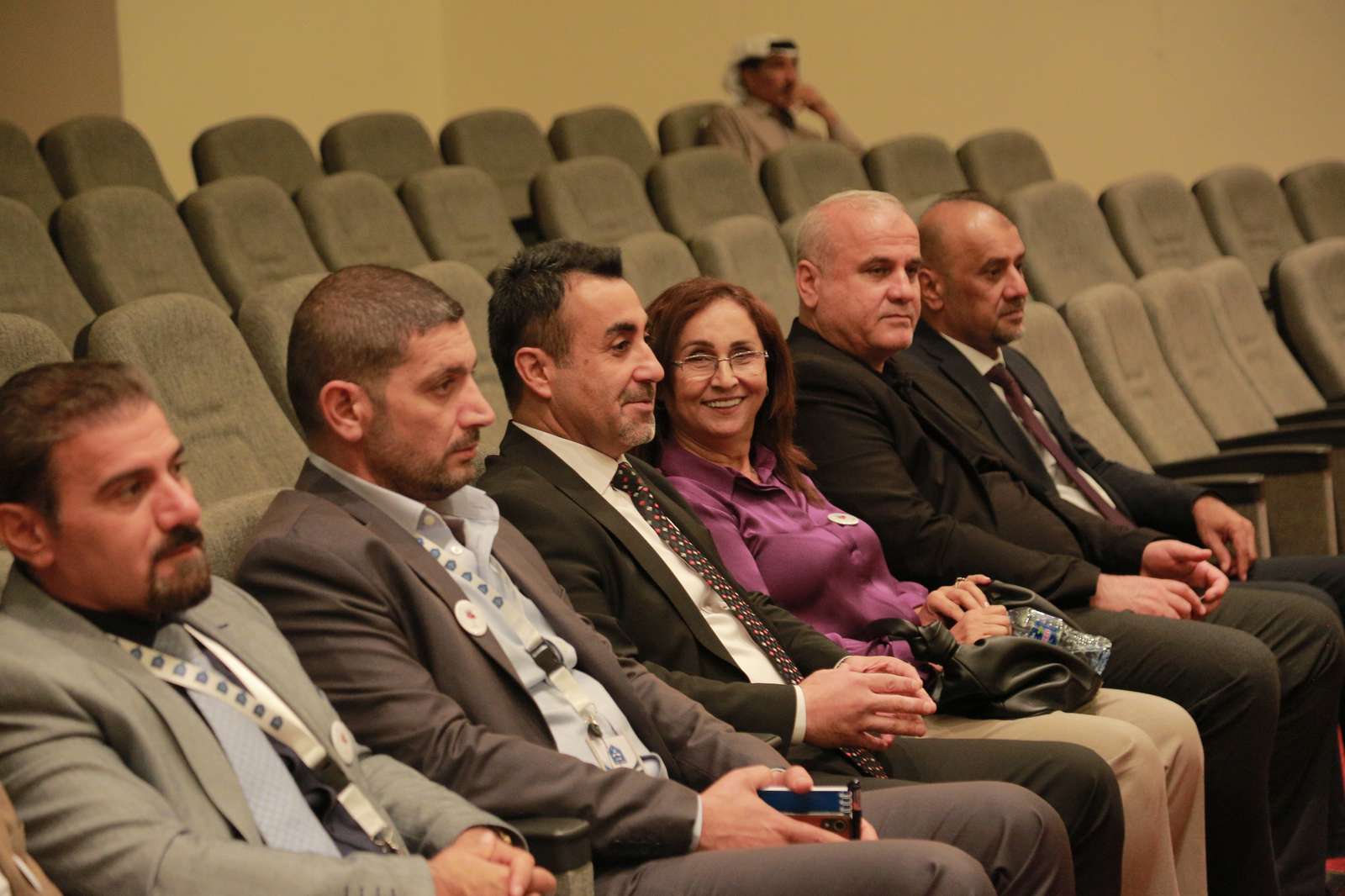
The conference also featured an exhibition of locally-produced agricultural products, demonstrative posters, and awareness booklets issued during the project; providing participants with an opportunity to see the project's tangible impacts. The exhibition allowed for networking and discussions on potential collaborations, reinforcing the importance of joint efforts in revitalizing the cultural and agricultural landscapes of the Nineveh Plains.
Closing Remarks and Future Directions
In closing, Dr. Shawkat stressed the importance of continued international and local support for the project, outlining plans for further expansion. This includes establishing additional demonstration plots, conducting comprehensive training programs, and maintaining regular follow-up visits with farmers. These efforts aim to strengthen the agricultural sector, increase productivity, and improve the livelihoods of minority communities in the Nineveh Plains.
The UOD Botanical Garden and the insights shared during the conference exemplify the University of Duhok’s commitment to connecting cultural traditions with modern conservation techniques. This initiative not only serves as a resource for the academic community but also represents a crucial step in supporting the ecological and cultural recovery of the region's diverse communities.
As mentioned, this project has been implemented by the UOD, funded by USAID and supported by Laser Pulse, in cooperation with academic institutions such as Indiana, Notre-Dame and Purdue universities alongside SIPRI Institute.
UOD Media; October 8, 2024
Ismat Khabour and Fatima Mahmood
Photo Credit: , Ali Banki ،Harman Jangeer, Mohammed Abdulkareem