Bridging Experience and Practice in Translation: Beşikçi Center Hosts Open Academic Meeting at UOD
Strengthening Translation Studies and Linguistic Development
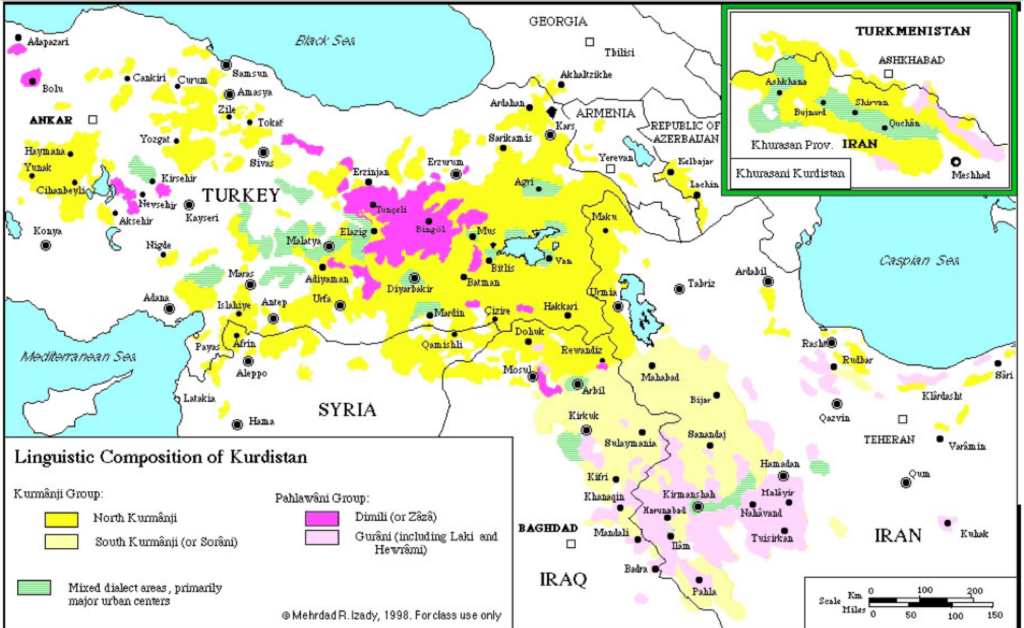
On Tuesday, February 11, 2025, the Beşikçi Center for Humanitarian Research, in collaboration with the University of Duhok (UOD), hosted an open academic meeting under the theme: "Translation Between Experience and Practice." The event brought together linguists, translators, writers, faculty members, and translation experts to explore the challenges and advancements in translation studies, particularly focusing on the Badini dialect and its role in academic and professional settings.
This initiative aligns with UOD’s strategic vision of fostering linguistic research, knowledge accessibility, and cross-cultural communication—key pillars in the university’s commitment to academic excellence and global engagement.
Key Discussions: Addressing Challenges in Translation Studies
The meeting served as a platform to critically examine the current state of translation in the Kurdistan Region, highlighting significant challenges that impact both academic research and practical applications.
1. Lack of Standardization in Translation Practices
- The absence of a standardized linguistic framework for Badini and Kurdish dialects complicates translation accuracy and consistency.
- Limited expertise in neighboring languages creates gaps in effectively translating international works into Badini and vice versa.
2. Scarcity of Academic and Research Resources
- Translation in scientific and technical disciplines remains underdeveloped, making it difficult for students and researchers to access reliable resources in Badini.
- The lack of a centralized digital library further restricts scholarly work in local dialects.
3. Limited Academic Focus on Translation Studies
- Translation is often overlooked as a formal academic discipline, resulting in limited investment in research and training programs.
- The absence of rigorous scholarly review mechanisms leads to inconsistencies and inaccuracies in published translations.
4. Unregulated Translation Market and Limited Access to Literary Works
- The market is flooded with unverified translations, affecting the quality and credibility of published works.
- There is an urgent need for publishing houses to establish quality control measures for translated materials.
5. Weakness in Professional and Academic Writing in Badini
- The shortage of expert academic translators affects the overall quality of translated works, particularly in research and higher education.
- Academic criticism and peer-reviewed publishing in Badini remain underdeveloped, limiting the dialect’s growth as a formal medium of knowledge exchange.
Strategic Recommendations: Advancing Translation in Academia and Publishing
Following an in-depth exchange of ideas, participants proposed several key strategies to strengthen translation practices and linguistic development in the Kurdistan Region:
1. Promoting Multilingual Proficiency Among Translators
- Enhancing expertise in Arabic, English, Persian, and Turkish will enable translators to navigate cultural and linguistic nuances, ensuring greater accuracy in translated works.
2. Establishing a Unified Standard for Translation
- Developing a comprehensive linguistic standard for Badini will help bridge the gap between dialects and enhance digital compatibility for modern translation technologies.
3. Leveraging AI and Digital Tools in Translation
- Integrating Artificial Intelligence (AI) and Machine Learning into translation practices can accelerate accuracy and efficiency, particularly in technical and scientific fields.
4. Accreditation and Professional Training for Academic Translators
- Implementing certification programs for translators will ensure that translated academic texts meet international quality standards.
5. Strengthening Publishing and Printing Infrastructure for Translated Works
- Encouraging translation-focused publishing houses with strict quality control will help increase access to foreign literary and scientific works in local languages.
The Role of the University of Duhok in Advancing Translation Studies
As a leading institution in higher education and research, the University of Duhok remains committed to enhancing linguistic studies and translation research. Through its collaboration with the Beşikçi Center for Humanitarian Research, UOD continues to:
- Promote translation studies as a formal academic discipline.
- Develop innovative language programs that support scientific research and cultural exchange.
- Foster international collaborations to expand the scope of translation training and research.
By addressing these challenges and implementing strategic solutions, UOD is paving the way for a stronger, more integrated translation ecosystem, ensuring that Badini and Kurdish dialects continue to thrive in academic, digital, and professional spheres.
Conclusion: A Call for Action in Translation and Linguistic Research
The meeting concluded with a renewed commitment to strengthening translation studies through academic research, publishing, and digital innovation. Participants emphasized the need for universities, government institutions, and publishing houses to work collaboratively in establishing a structured and standardized translation framework for higher education and cultural development.
This initiative serves as a crucial step toward expanding linguistic accessibility, fostering cross-cultural understanding, and ensuring that academic knowledge is preserved and disseminated effectively in Badini and beyond.
📍 University of Duhok Media | February 11, 2025
📸 Photography by: Ali Habib Habib
Meta Keywords:
- Translation Studies in Kurdistan
- Badini Dialect Standardization
- University of Duhok Linguistic Research
- AI and Digital Translation Tools
- Academic Publishing in Kurdish