WILD PLANTS GROUP

The WILD PLANTS GROUP
In Nineveh Plains, many different wild plants grow and reproduce in their natural habitat. People in Nineveh Plains have gathered wild edible plants and used for millennia, and they have become part of their diet and traditional food systems. Wild plants are a resource that contributes to the cultural, social, economic, ecological, and aesthetic concepts and practices of the area. In the context of ethnobotany, wild plant gathering in Nineveh Plains is a deeply rooted practice, where thousands of people go to nature and collect wild plants, particularly during the spring. The ethnoreligious minorities of Nineveh Plains gather wild plants for the role that they play in their diet, medicine, animal husbandry, construction, crafts, and ornament, as well as in their religious ceremonies and rituals.
The Wild Plants team of researchers from the University of Duhok and Indiana University, supported by LASER PULSE and the USA Agency for International Development (USAID) project “Support to Traditional Cultural Practices in Northern Iraq,” work to restore the wild plant cultural practices used by the ethnoreligious communities of Christian, Yazidi, Shabak, Turkmen, and Kakai living in Nineveh Plains of Northern Iraq who were targeted by IS, with a particular focus on the districts of Al Hamdaniya, TelKaif and the sub-district of Bashiqa. This collaborative effort with ethnoreligious communities will produce a physical and digital herbarium of wild plants, botanical gardens, field guides, and educational materials sharing the sustainable use of wild plants and their role in the daily cultural practices of Nineveh Plains communities
The main objectives of the Wild Plants team:
- Wild plants are a rich topic for research, community collaboration, and social cohesion. The objectives of the wild plants team are to understand, among the minority groups of the Nineveh Plains, what are the culturally significant practices related to wild plant resources and determine the primary wild plant species and cultural uses by each minority group,
- Understand the primary threats to these wild plants and assess their need for conservation, and understand the impact of these threats and any other obstacles to the continued use of wild plants in cultural practices.
- Evaluate the role of wild plants in fostering social cohesion among and between minority groups,
- And, to raise awareness among local communities of the sustainable use of wild plants and their significance to biodiversity.
The main Activities and Products of the wild plant team since September 2022
1- Community Trust building.
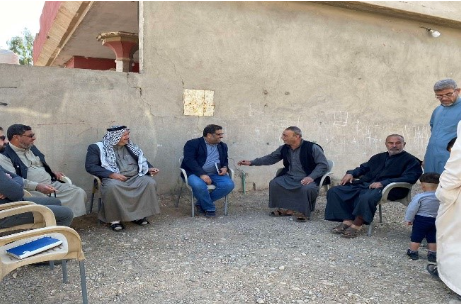
Before starting working on the products proposed by the Wild Plant’s team of UoD and Indiana (USA) Universities, the team of UoD visited during a month many of the villages covering all the minorities living in Ninawa plain in order to meet the local and key community members for the trust-building purposes consequently encourage better and wider adoption of community engagement in the restoring the wild plant’s cultural practices project.
2- Ethnobotanical Literature Review
Ethnobotanical literature review of wild plants in Nineveh Plains-Iraq has been collected from different sources including libraries of Mousel, googling websites, YouTubes, reports, papers, and access to several digital libraries and journals. The literature provides information regarding the cultural uses of wild plants by the minorities existing in northern Iraq (Nineveh Plains) in the districts of Hamdaniya and Tel Keyf and the sub-district of Bashiqa in Ninawa province besides some areas of KRI, where communities like Kakais’ living in some villages. The collected information shows that the cultural uses of wild plants are poorly documented in the north of Iraq. Indeed, no sufficient official published information and data available that can help to comprehensively understand the wild plant's cultural practices by the targeted minorities. This shows the importance of the work that the team of wild plants conducting in the area for Ethnobotanical documentation. All minorities were represented in this review, so each minority will better understand and gain more knowledge about the cultural practices of the rest of the minorities which will help in the context of promoting social cohesion among the communities, besides collecting and documenting what has been published about the wild plant’s cultural practices of this area.
3- Surveys and interviews regarding cultural uses of wild plants:
To be able to implement activities with the communities of the Nineveh Plains, we needed to know, specifically, what plants each minority group uses and for what purposes, and also how that has changed over time. To do this, we conducted a survey of 420 residents of 42 villages in the Nineveh Plains and completed 52 individual interviews to get rich, in-depth information.
4- Participation in the design and use of the University of Duhok Botanical Garden and Community Botanical Gardens:
The wild plant's team actively participated in the design of the botanical gardens with suggestions for plant species for both the mother and community botanical gardens which will be invested in the Conservation, and Education and Research functions.
5- Capacity building of UoD Wild Plants staff:
To build the conservation capacity of the University of Duhok, several Wild Plants team members participated in:
- Community Building Workshop in Agriculture & Social Sciences August 14-27 -2023 USA.
- Herbarium Management and Digitization Training Course in Istanbul, Turkey, at the Nezahat Gökigit Botanical Garden in 18-22 January 2023.
6- Protocols for Propagation of Locally Endangered Wild Plants:
Through germination experiments, the team is creating protocols for the propagation of locally endangered wild plants to help prevent extinction and hopefully rebuild the population in the Nineveh Plain.
7- Wild Plants Awareness and Education Posters, leaflets, and booklets:
From the information we gathered from communities, we created posters, leaflets, and booklets raising awareness of wild plants, examples of their uses, and threats to their existence
8- Policy briefs:
These policy briefs provide the policymakers with recommendations to take actions in areas needing wild plant protection and restoration.
- Protecting Wild Plants and Cultural Practices in Nineveh Plains - Under Review
- Iraqi NGOs are Key to Eco-Cultural Conservation in Nineveh Plains- Under Review
9- Educational and Storytelling Videos on Wild Plants Culture:
Personal storytelling videos not only provide compelling testimony of the importance of wild plants, but we’re finding that they legitimize the knowledge and wisdom minority communities have and empower their members to share this wisdom. Each of our products and activities is designed to help build bridges of experience between communities.
10- Capacity Building:
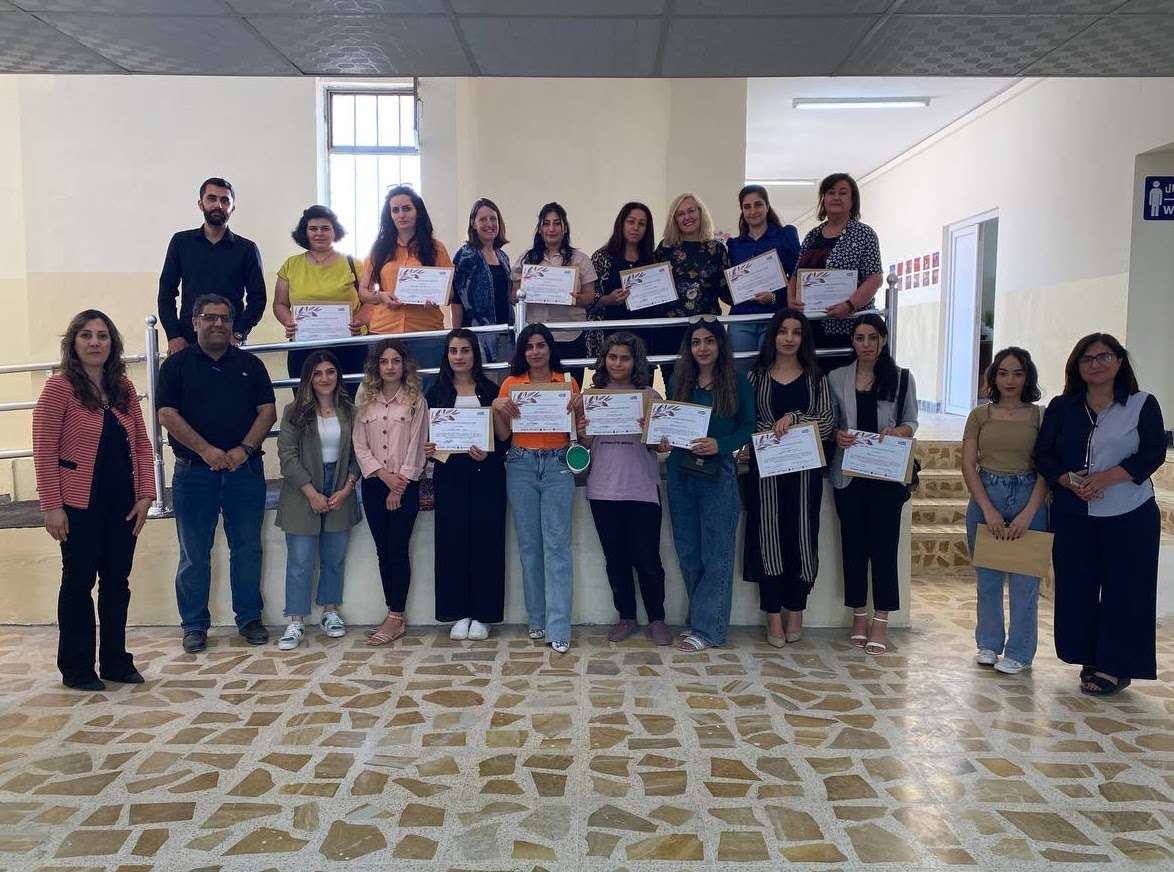
Training of Trainers (ToT) Course in Ecoprinting with Wild Plants, Alqush, 31 May 2023: The main purposes of the training were: 1. Training 15 Art teachers in environmental printing of wild plants on canvas, coloring - decorating eggs with flowers of wild plants 2. Raise environmental awareness by highlighting the project's main objective. 3. Strengthening social cohesion among minority participants. 4. Building trust between the trainees and the University of Duhok.
11- Research Reports and Publications of the Wild Plants Group:
- The Role of Wild Plants in Cultural Restoration: Community Collaboration and Engaged Ethnobotany in the Nineveh Plains, Northern Iraq – Submitted to Economic Botany J.
- First Checklist of Traditional Wild Plants and Their Uses in the Nineveh Plains, Northern Iraq. Submitted to Ethnobotany J.
- The effect of Pre-chilling and GA3 treatments on seed germination and early establishment of Gundelia tournefortii L. Prepared for submission.
12- Dissemination Events of the Wild Plants Group.
The team participated in the following events:
- Alqush Exhibition 10 January 2023
- PeaceCon, May 2023 Alliance for Peacebuilding
- First and Second Project Conference, University of Duhok
Future Directions
- More Products, Tools, and Activities for Farmers and Communities
- Training, Videos, and Courses.
- Experiments/Protocols: Best Practices in Cultivation.
- Campaigns: Awareness, Advocacy, Culture.
- IUCN Threat List Assessment.
- Continued Herbarium Expansion.
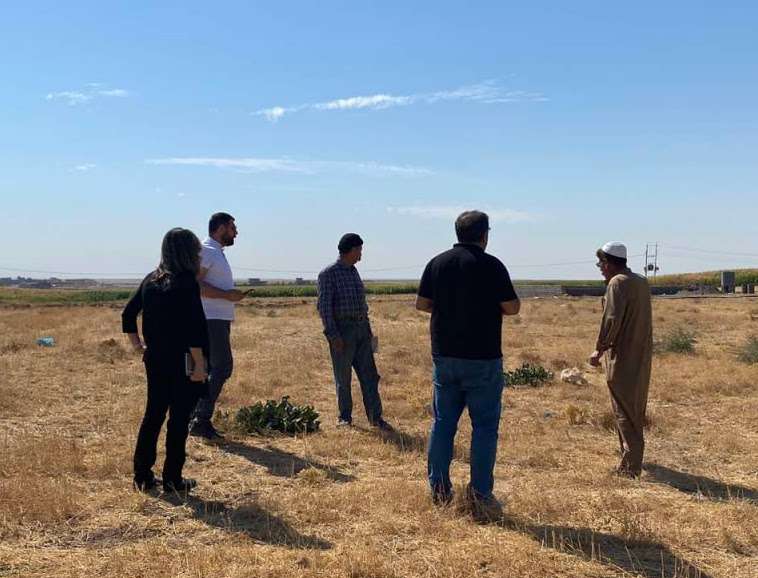
Comprehensive survey to identify the culturally wild plants in Nineveh Plains- Wardak village - Oct 10, 2022.
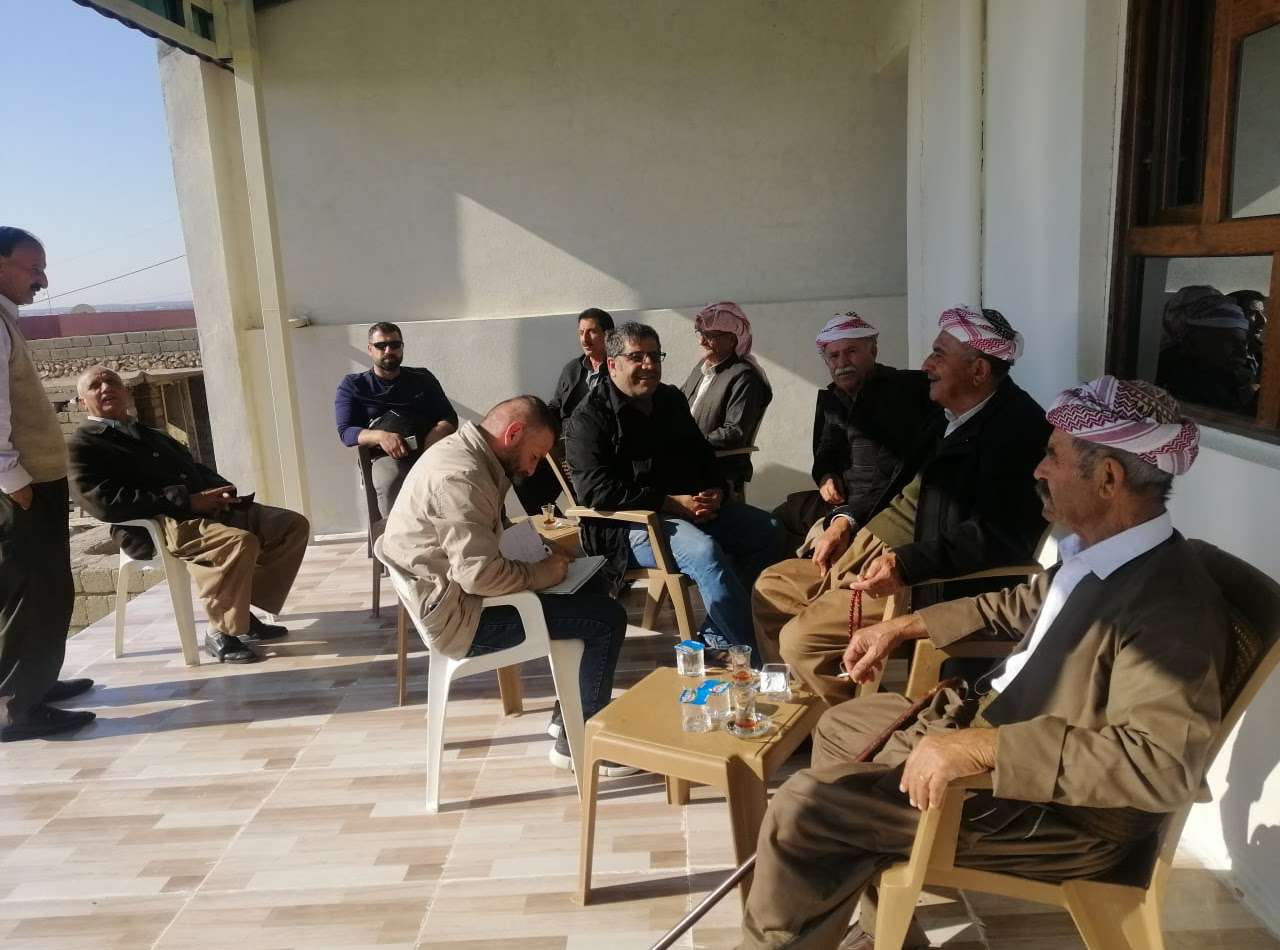
In-depth interviews with the local community to check the culturally valuable wild plant species in Nineveh Plains- Jarahiya village - April 4. 2023.
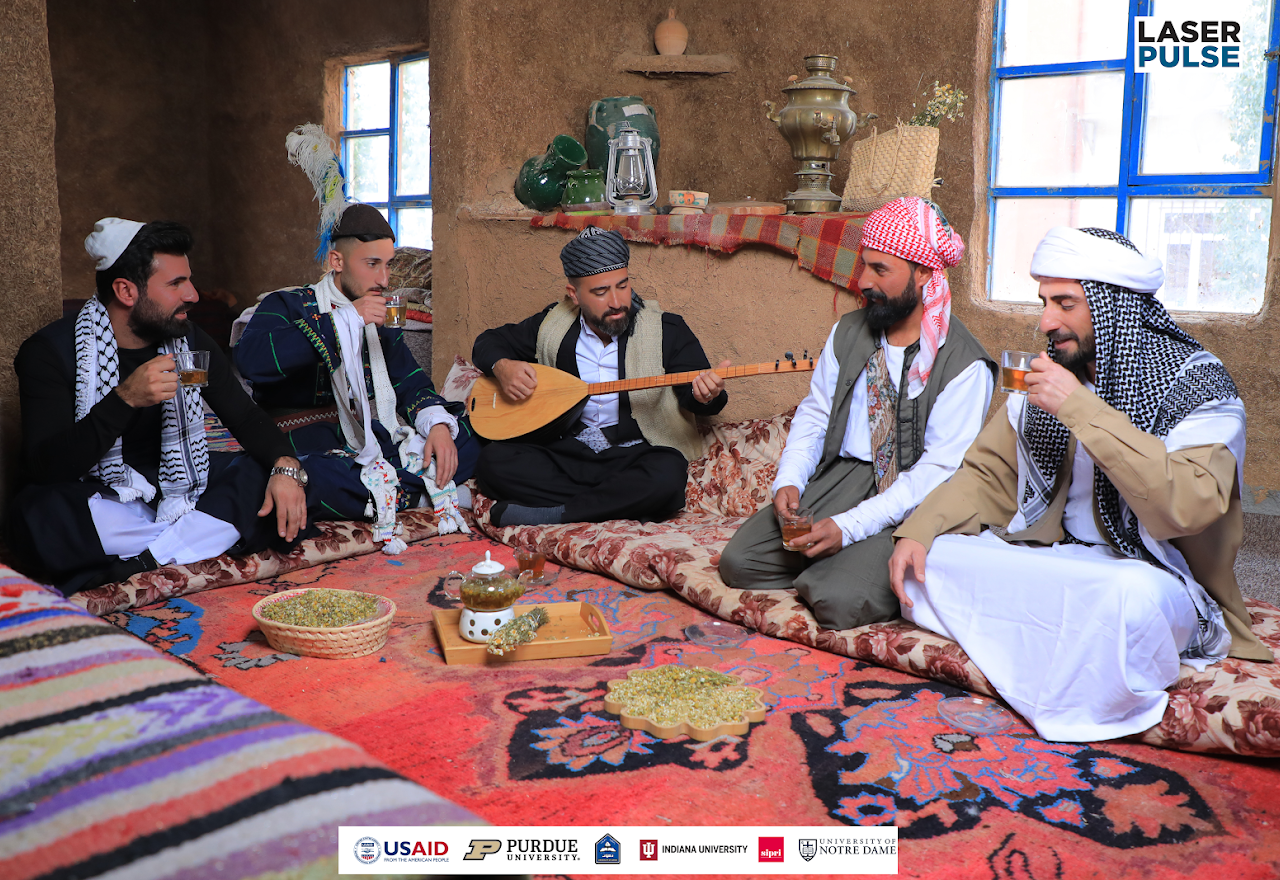
Young men in traditional clothing representing the five ethnoreligious minorities (Christians, Yezidis, Shabaks, Turkmen, and Kaka’i) drink Babonag (Chamomile in English) as a traditional herbal tea enjoyed by all minorities of the Nineveh Plains. Dec..21. 2022.
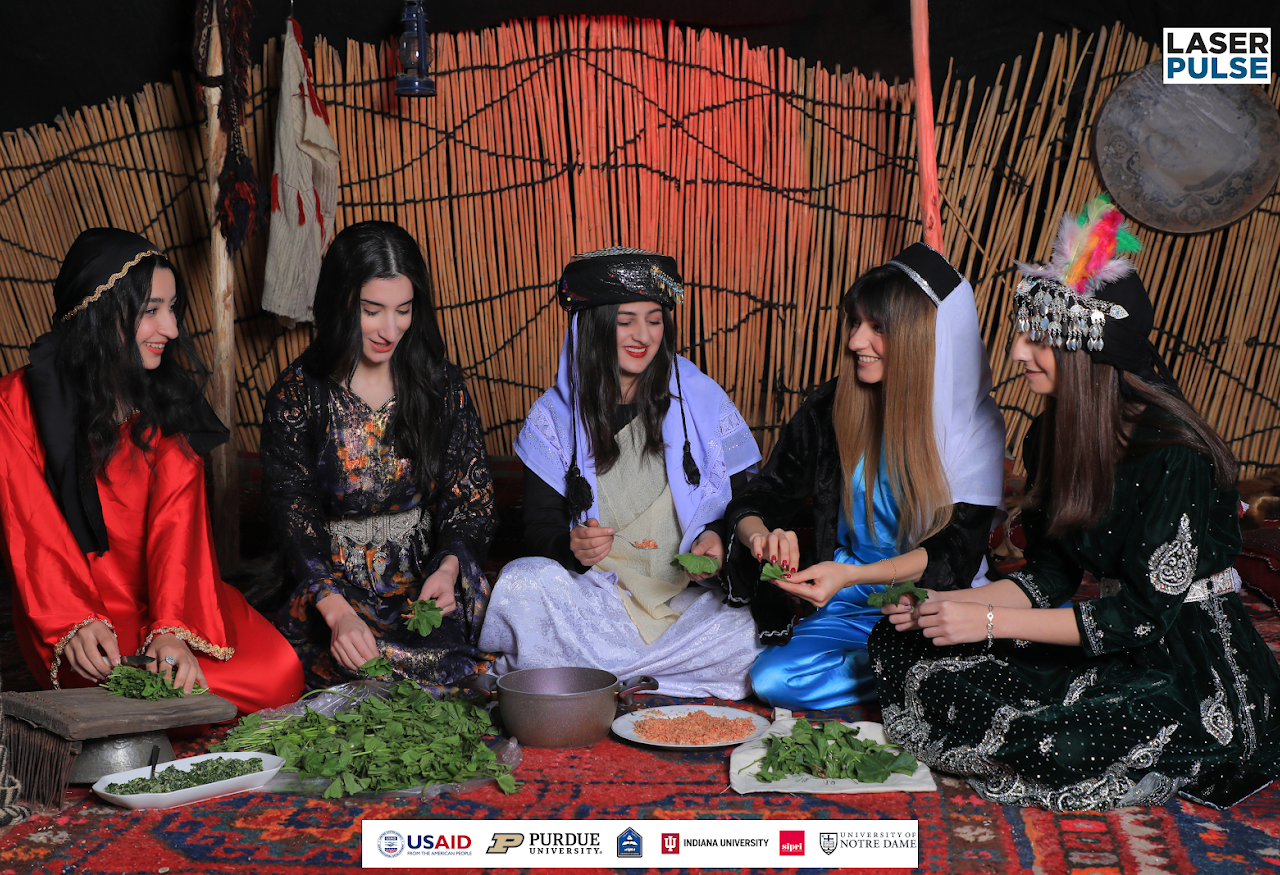
Young women in traditional clothing representing the five ethnoreligious minorities (Christians, Yezidis, Shabaks, Turkmen, and Kaka’i) use the leaves of the edible wild plant Khobaz (Mallow in English) in preparing DOLMA, a traditional food eaten by all minorities of the Nineveh Plains. Dec. 2. 2022.
Training of Trainers (ToT) Course in Ecoprinting with Wild Plants Alqush, May 31. 2023.
A questionnaire survey of the ethnobotanical uses of wild plants in Nineveh Plains. Sreichka village - July 26. 2022.
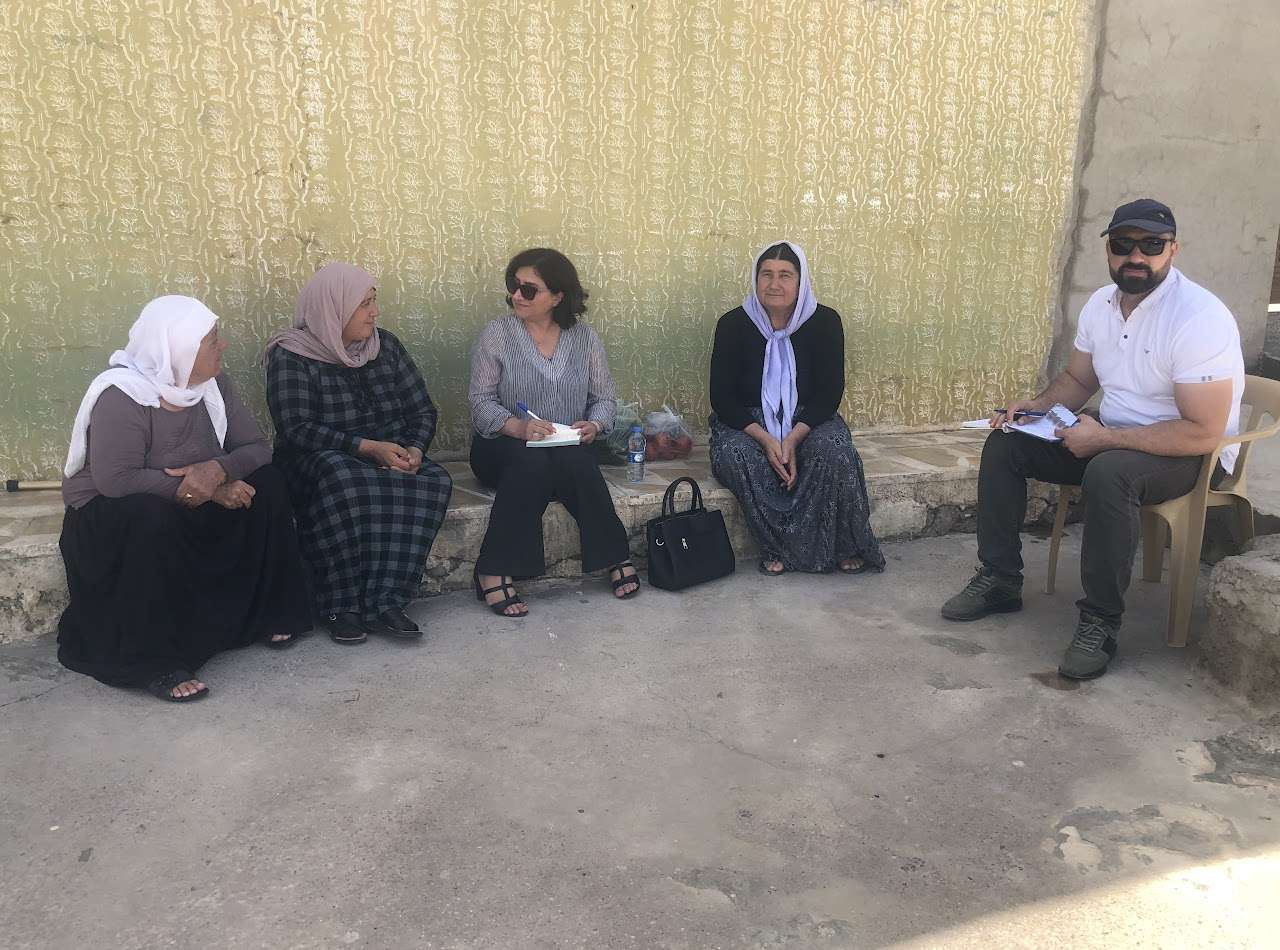
Before starting fieldwork, and for community trust building, the UoD Wild Plant’s team visited during a month many of the villages of Nineveh Plains covering all the minorities. - Qaraytagh village- 15 Nov.2022.
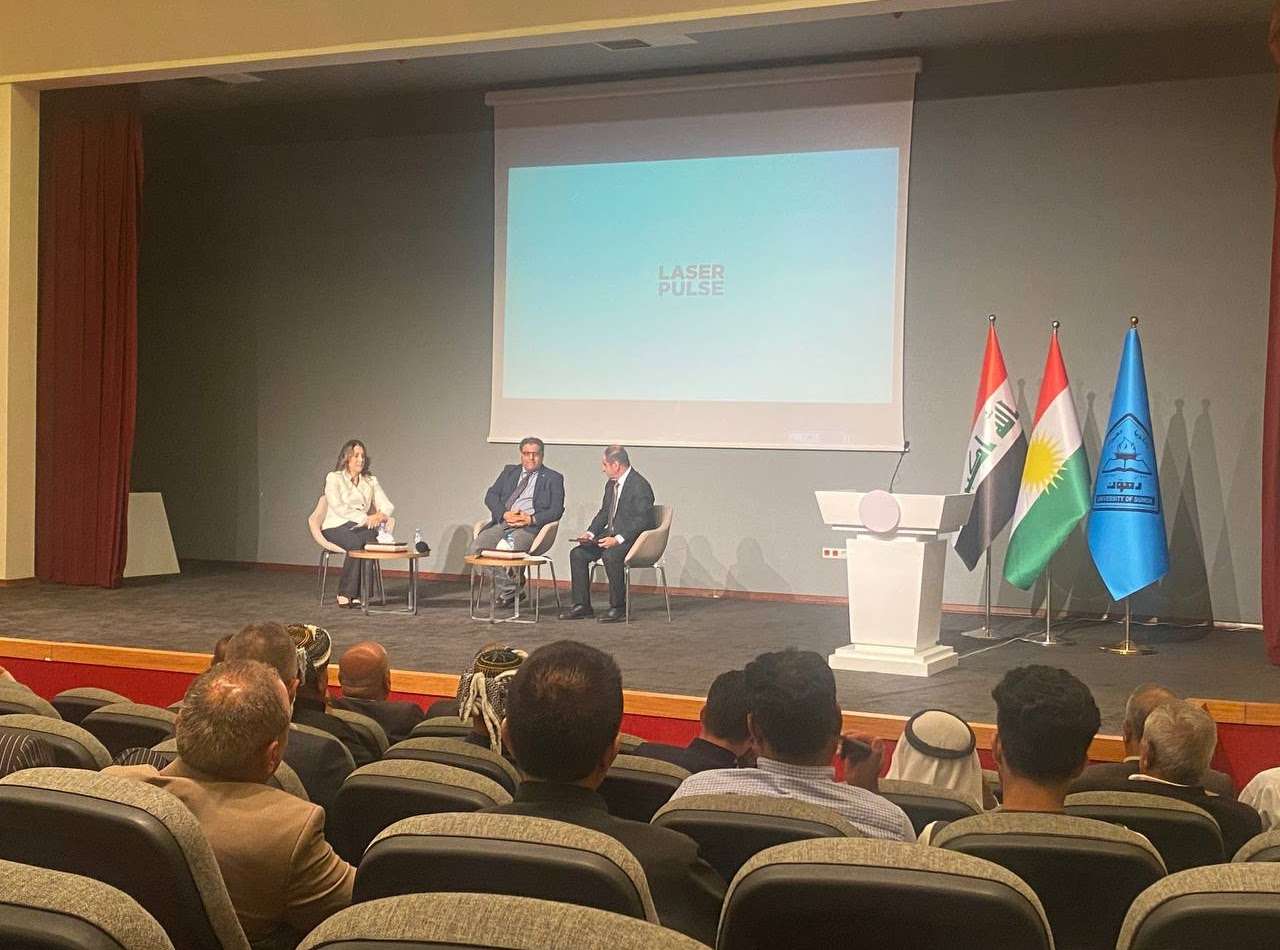
The wild plant's discussion panel in the second conference of the project "Support to Traditional Cultural Practices in Northern Iraq" UoD - 6 June.
WILD PLANTS GROUP MEMBERS
The Wild Plants team has a strong interdisciplinary foundation rooted in ethnobotany and anthropology, epidemiology and public health, sociology and mental health, biodiversity and functional ecology, food systems, social network analysis, and more. These diverse perspectives, experiences, and skills contribute to a unique collaborative that allows for expansive thinking, curiosity, and innovation.