PHASE TWO

The 2nd Phase of Project
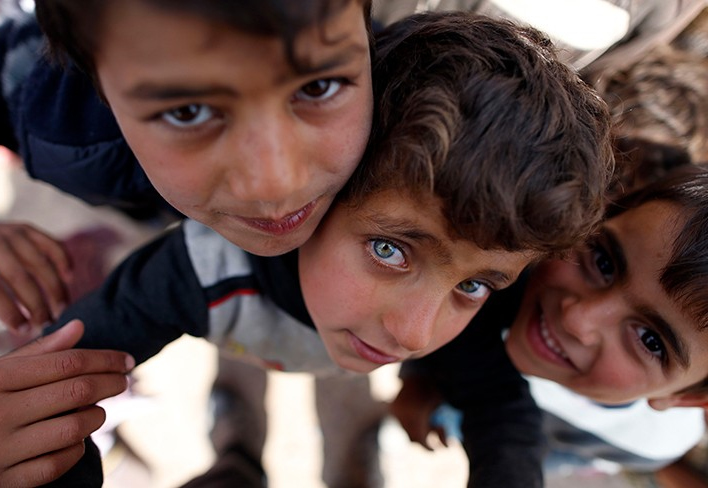
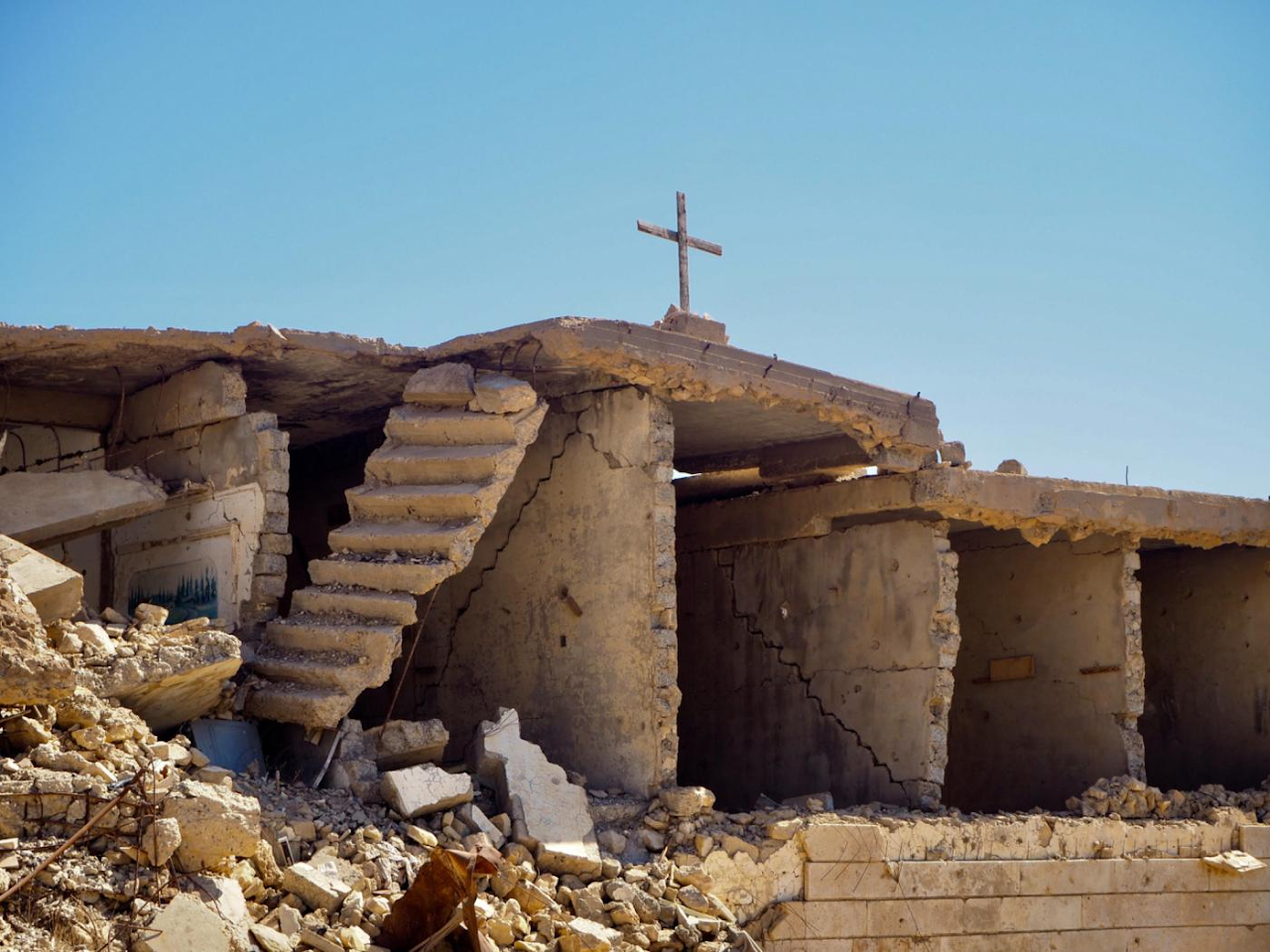
Between 2014 and 2017, hundreds of thousands of Iraqis were killed, and millions of individuals were displaced, due to the Islamic State’s (IS) occupation and the subsequent military campaign to defeat its forces. IS particularly targeted minority communities living in the Nineveh Plains in northern Iraq, including Christians, Ezidi, Shabaks, Turkmen, and Kakai. Members of these minority communities were executed, enslaved, or forcibly converted to IS’s radical form of Sunni Islam. Regional livelihoods based on farming and animal husbandry were devastated. IS also destroyed many historical, religious, and cultural heritage sites, leading to a sense of spiritual loss and community estrangement.
This project foregrounds the linkages between cultural meaning and agricultural landscapes to examine the compounded social, cultural, agricultural, and economic effects of the IS occupation on ethnic and religious minority communities in the Ninawa province, with a particular focus on the districts of Hamdaniya and Tel Keyf and the sub-district of Bashiqa. It takes a systematic, landscape approach that underscores the cultural importance of agrarian activities in promoting economic security, cultural identity, and a sense of belonging. We consider agricultural activities quite broadly, including market crop cultivation, home gardens, livestock production, and the collection of wild plants. We also incorporate the local manufacture of culturally important products including olive oil, cheese, tahini, and locally milled bulgur.
The overall project has four main research objectives. Phase I of the project focuses on the first, second, and fourth objectives:
- Identify culturally valuable agricultural resources for members of minority groups;
- Determine the impact of IS occupation on these resources;
- Assist groups in the target geographies in re-establishing the production or use of these resources; and
- Strengthen the institutional capacity of the University of Duhok to administer and support high-quality, sustainable research and extension activities.