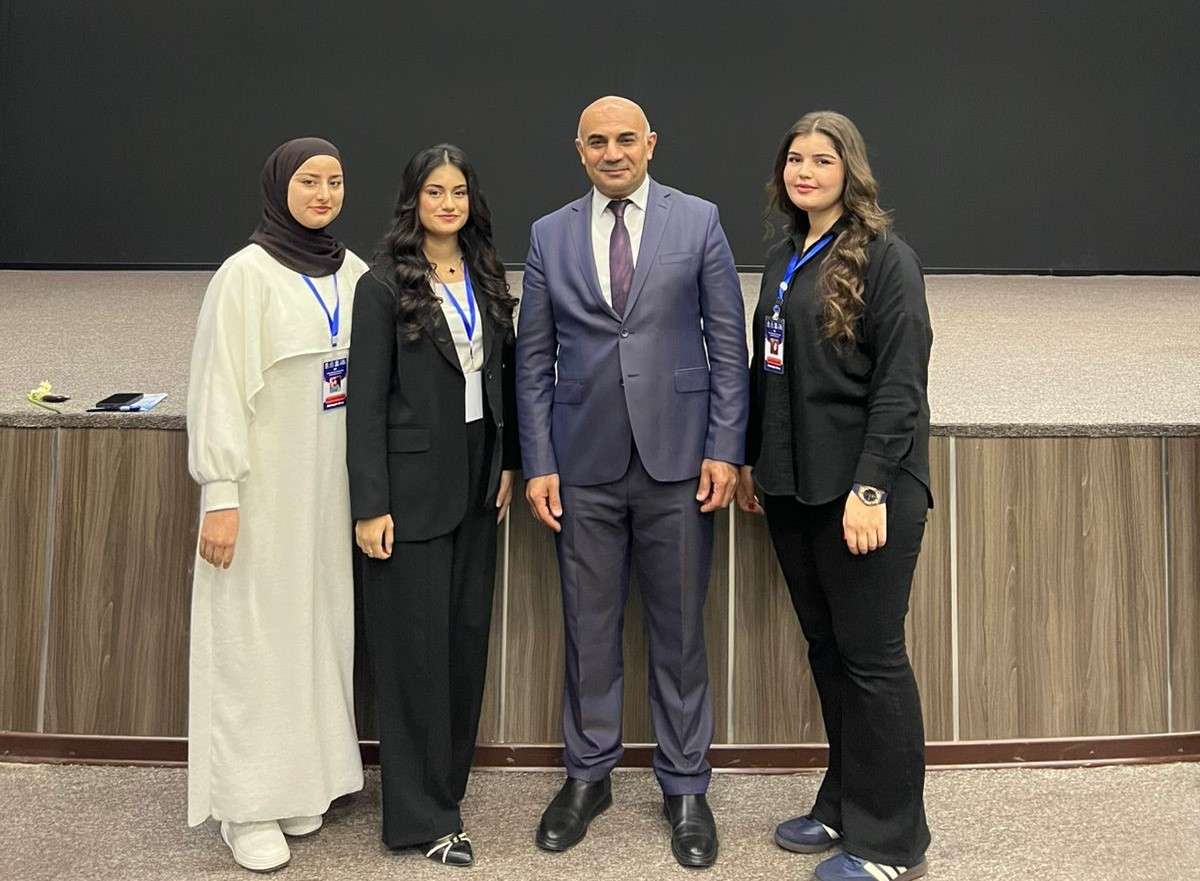
Challengers Group
Multi-Sector Wastewater Recycling for a Water-Secure Duhok
Multi-Sector Wastewater Recycling for a Water-Secure Duhok
The Challengers Group, four students from the University of Duhok, partnered with UNICEF to explore how multi-sector wastewater recycling can address Duhok’s escalating water scarcity, driven by urbanization, climate change, and poor water governance.
What We Did
- Collected data from government agencies, industries, and businesses
- Conducted interviews, questionnaires, and focus groups
- Assessed wastewater generation trends, public perceptions, infrastructure gaps, and collaboration potential
- Used thematic analysis to shape practical, cross-sector solutions
Key Findings
- Daily wastewater generation: 42.2%
- Biggest challenges: High treatment costs (23.3%), lack of technical skills (14%), and doubts about water quality
- Zero representation from the agriculture sector—identified as a critical gap
- Infrastructure needs span sewer systems, treatment facilities, monitoring tools, and drainage
- 77% noted poor coordination between key sectors; public interest is high, but awareness is uneven
Team Recommendations
- Invest in modern treatment technologies like membrane filtration and UV systems
- Build infrastructure: sewerage, drainage, monitoring systems, and treatment plants
- Enhance public education through demonstration projects and awareness campaigns
- Strengthen collaboration between industrial, municipal, and agricultural sectors
- Introduce policy reforms: incentives, regulations, training programs, and promote regional cooperation and R&D
Conclusion
Wastewater can be a valuable resource for Duhok—if supported by policy, education, infrastructure, and sector coordination. This project shows that with the right investments, wastewater recycling can enhance sustainability, public health, and long-term water resilience.