
الكادر التدريسي

نوفمبر 18, 2026, 11:26 ص
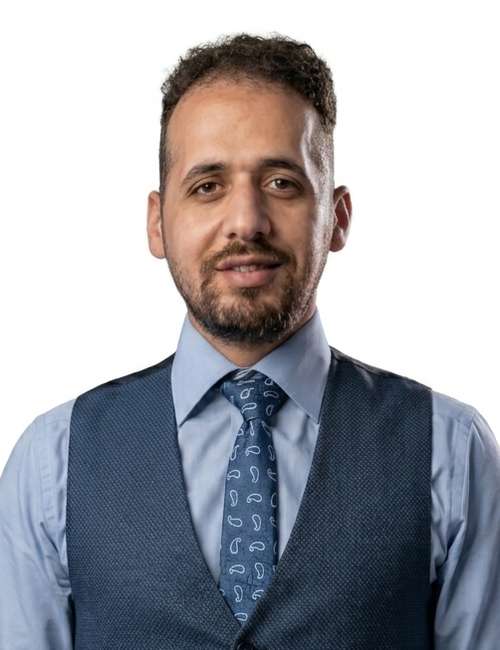
احمد خير الدين علي (دكتوراه) مدير مركز تطوير العمل
استاذ مساعد
أستاذ مساعد في الروبوتات و الذكاء الصناعي في العمارة

الهندسة المعمارية
کلیة الهندسة
جامعة دهوك

  • دكتوراه في الروبوتات في الهندسة المعمارية، جامعة تشونغ آنغ، 2020
  • ماجستير في التصميم الرقمي والتصنيع، جامعة تكساس التقنية، 2016
  • بكالوريوس في الهندسة المعمارية، جامعة دهوك، العراق، 2011

📝 نبذة تعريفية

حصل أحمد خيرالدين علي على درجة البكالوريوس في الهندسة المعمارية من جامعة دهوك، العراق في عام 2011 حيث كان الثاني على دفعته، وعلى درجة الماجستير في التصميم الرقمي والتصنيع من جامعة تكساس التقنية، الولايات المتحدة الأمريكية في عام 2016 بموجب منحة فولبرايت (Fulbright). حصل على درجة الدكتوراه في الروبوتات والذكاء الاصطناعي في الهندسة المعمارية من جامعة تشونغ آنغ (Chung-Ang) في سيول، كوريا الجنوبية بموجب منحة الحكومة الكورية (KGSP).

يعمل أحمد حاليًا كمصمم أبحاث ذكاء اصطناعي في شركة Haenglim Architects في سيول، كوريا الجنوبية. تتمحور اهتماماته البحثية حول دمج الذكاء الاصطناعي والروبوتات في تصميم وبناء الهندسة المعمارية لتمكين الآلات من التفاعل بذكاء مع الأعمال المادية وتحسين الممارسات المعمارية الحالية. حصل على منحة فولبرايت في عام 2014 ومنحة الحكومة الكورية في عام 2017. كما حصل على المواطنة الفخرية لمدينة نونسان، كوريا الجنوبية. وهو عضو في "الجمعية الأمريكية للمعماريين" (AIA) منذ عام 2020.

أحمد هو مؤسس منصة iFOBOT. تُخصص iFOBOT لاستكشاف قوة الروبوتات والحوسبة في مرحلة التصميم والتصنيع المعماري. تعد Haenglim Architects واحدة من الشركات الرائدة التي تبنت التقنيات المتقدمة في عملية التصميم الخاصة بها. يتكون هذا المشروع من ستة أجزاء رئيسية: القطع بالأسلاك الساخنة، التفريز باستخدام الحاسوب (CNC milling)، اتخاذ القرار بالذكاء الاصطناعي، الأتمتة في التصنيع، وعلم المواد. الهدف الرئيسي من هذا البرنامج هو إشراك الروبوتات في مرحلة التصميم المبكرة، والتصنيع المسبق، وفي مرحلة البناء بتقنيات أكثر تقدمًا وقوة الذكاء الاصطناعي. حاليًا، نجحت iFOBOT في اقتراح سيناريو لتطبيق تقنيات الذراع الروبوتية في تجميع الواجهات في موقع البناء باختبار افتراضي ناجح. يتم الآن إعداد سيناريو حالة حقيقية لاختبار iFOBOT. أخيرًا، يجيد اللغات العربية والكردية والإنجليزية والكورية بطلاقة.

Undergraduate Studies

University

Dept.

Stage

Subject

Period

Chung Ang University

Architecture Engineering

3rd.  

Building Information Modeling (BIM)

2020-2021

University of Duhok

Architecture Engineering 

4th

Hospital Design Studio

2020-2021

Haenglim Architects

HL Shop  

3rd 

Coding in Architecture & Robotics in Architecture & Visual Programing

2019-2020

عضو مشارك في الجمعية الأمريكية للمعماريين (AIA Assoc.)، 2020

البحث العلمي

  1. Ali, A. K. (2025). Integrating parametric modeling (iLEED) with the LEED framework for sustainable site planning at the conceptual design stage. Journal of Chinese Architecture and Urbanism.
  2. Ali, A. K. (2024). A comprehensive framework for integrating robotics and digital twins in façade perforation. ARO-The Scientific Journal of Koya University, 12(1), 191–202.
  3. Ali, A. K. (2024). Digital twin framework for real-time monitoring of robot-arm in construction site. Passer Journal of Basic and Applied Sciences, 6(Special Issue), 173–199.
  4. Ali, A. K., Saleem, A. N., & Mohammed Ali, H. H. (2024). iPARK: A participatory design tool of neighborhood parks using visual programming language. Passer Journal of Basic and Applied Sciences, 6(Special Issue), 145–172.
  5. Ali, A. K., & Lee, O. J. (2023). Facade style mixing using artificial intelligence for urban infill. Architecture, 3(2), 258–269.
  6. Ali, A. K., & Lee, O. J. (2021). Double-skin facade perforation workflow onsite using robot arm. Preprints.
  7. Ali, A. K., & Lee, O. J. (2021). Integrated environmental design and robotics workflow for double-skin facade perforation onsite. Preprints.
  8. Ali, A. K., Lee, O. J., Lee, D., & Park, C. (2021). Remote indoor construction progress monitoring using extended reality. Sustainability, 13(4), Article 2290.
  9. Ali, A. K., Lee, O. J., & Song, H. (2021). Robot-based facade spatial assembly optimization. Journal of Building Engineering, 33, Article 101556.
  10. Ali, A. K., Khan, N., Lee, D. Y., & Park, C. (2020). Joint reasoning of real-time visual risk zone identification and numeric checking for construction safety management. In Proceedings of the 8th International Conference on Construction Engineering and Project Management.
  11. Ali, A. K., Lee, O. J., & Park, C. (2020). Near real-time monitoring of construction progress: Integration of extended reality and Kinect V2. In ISARC: Proceedings of the International Symposium on Automation and Robotics in Construction.
  12. Ali, A. K., Lee, O. J., & Song, H. (2020). Generic design aided robotically facade pick and place in construction site dataset. Data in Brief, 31, Article 105933.
  13. Ali, A. K., & Mohammed Ali, H. H. (2020). Visual programming aided urban vegetation design. In Proceedings of the International Academy of Science, Technology, Engineering and Management (IASTEM) (p. 7).
  14. Ali, A. K., Song, H., Lee, O. J., Kim, E. S., & Ali, H. H. M. (2020). Multi-agent-based urban vegetation design. International Journal of Environmental Research and Public Health, 17(9), Article 3075.
  15. Khan, N., Ali, A. K., Tran, S. V.-T., Lee, D., & Park, C. (2020). Visual language-aided construction fire safety planning approach in Building Information Modeling. Applied Sciences, 10(5), Article 1704.
  16. Khan, N., Lee, D., Ali, A. K., & Park, C. (2020). Artificial intelligence and blockchain-based inspection data recording system for portable firefighting equipment. In Proceedings of the International Symposium on Automation and Robotics in Construction (ISARC).
  17. Tran, S. V.-T., Ali, A. K., Khan, N., Lee, D., & Park, C. (2020). A framework for camera planning in construction site using 4D BIM and VPL. In ISARC: Proceedings of the International Symposium on Automation and Robotics in Construction.
  18. Khan, N., Ali, A. K., Skibniewski, M. J., Lee, D. Y., & Park, C. (2019). Excavation safety modeling approach using BIM and VPL. Advances in Civil Engineering, 2019, Article 1515808.
  19. Ali, A. K. (2016). Informative urbanism: A method of cross networking city data from spatial locations to their actual systematic networking.

Building Information Modeling