The 5th International Scientific Conference on the Genocide of the Kurdish People
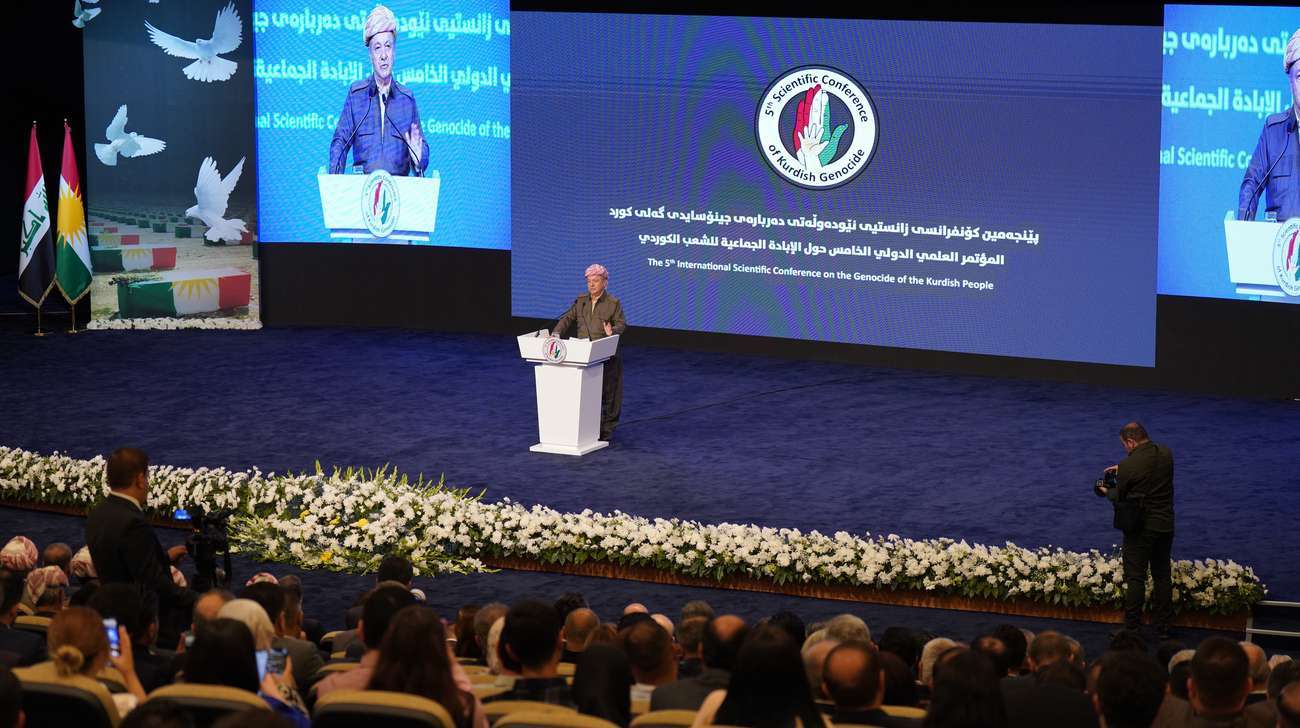
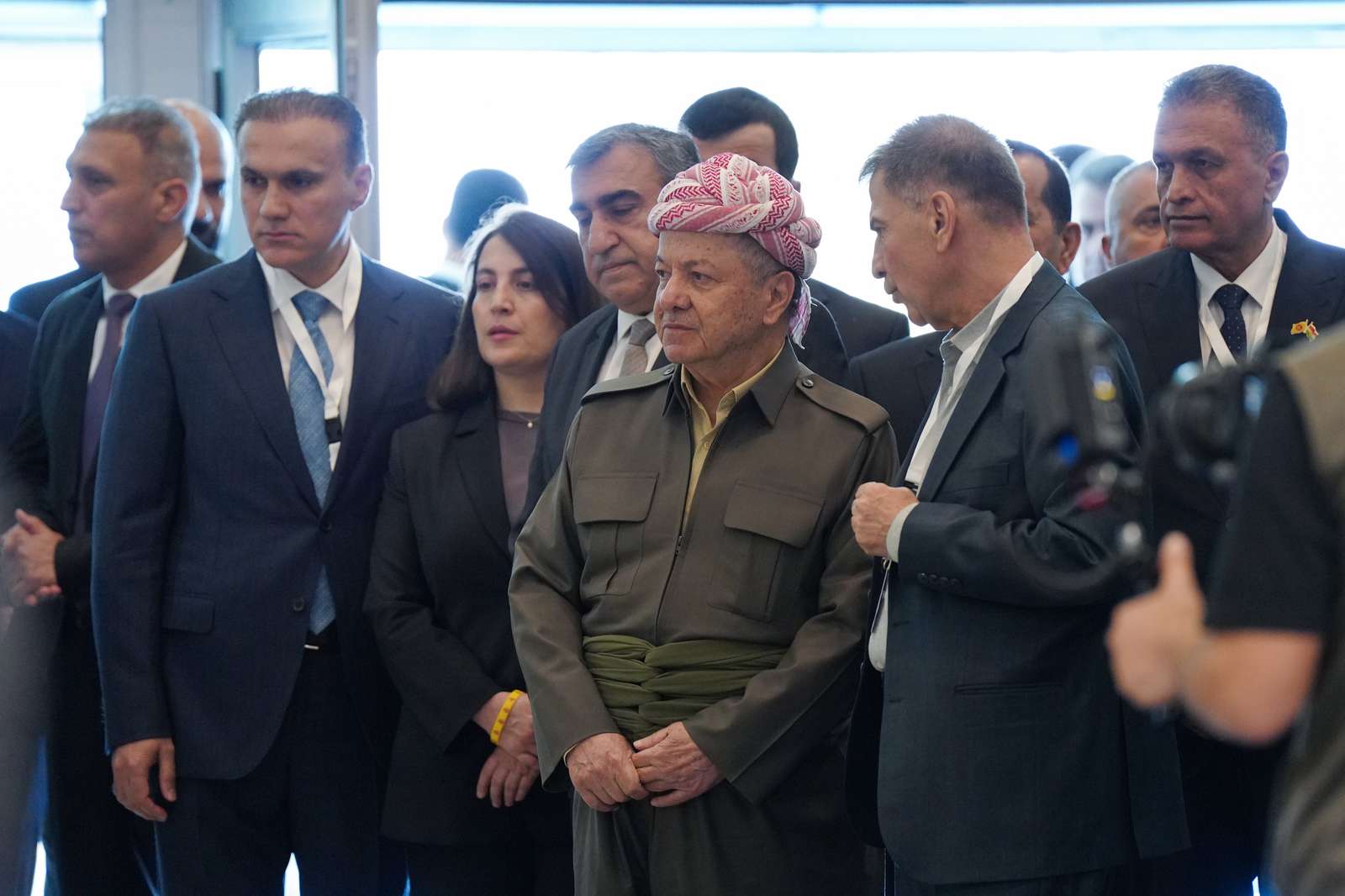
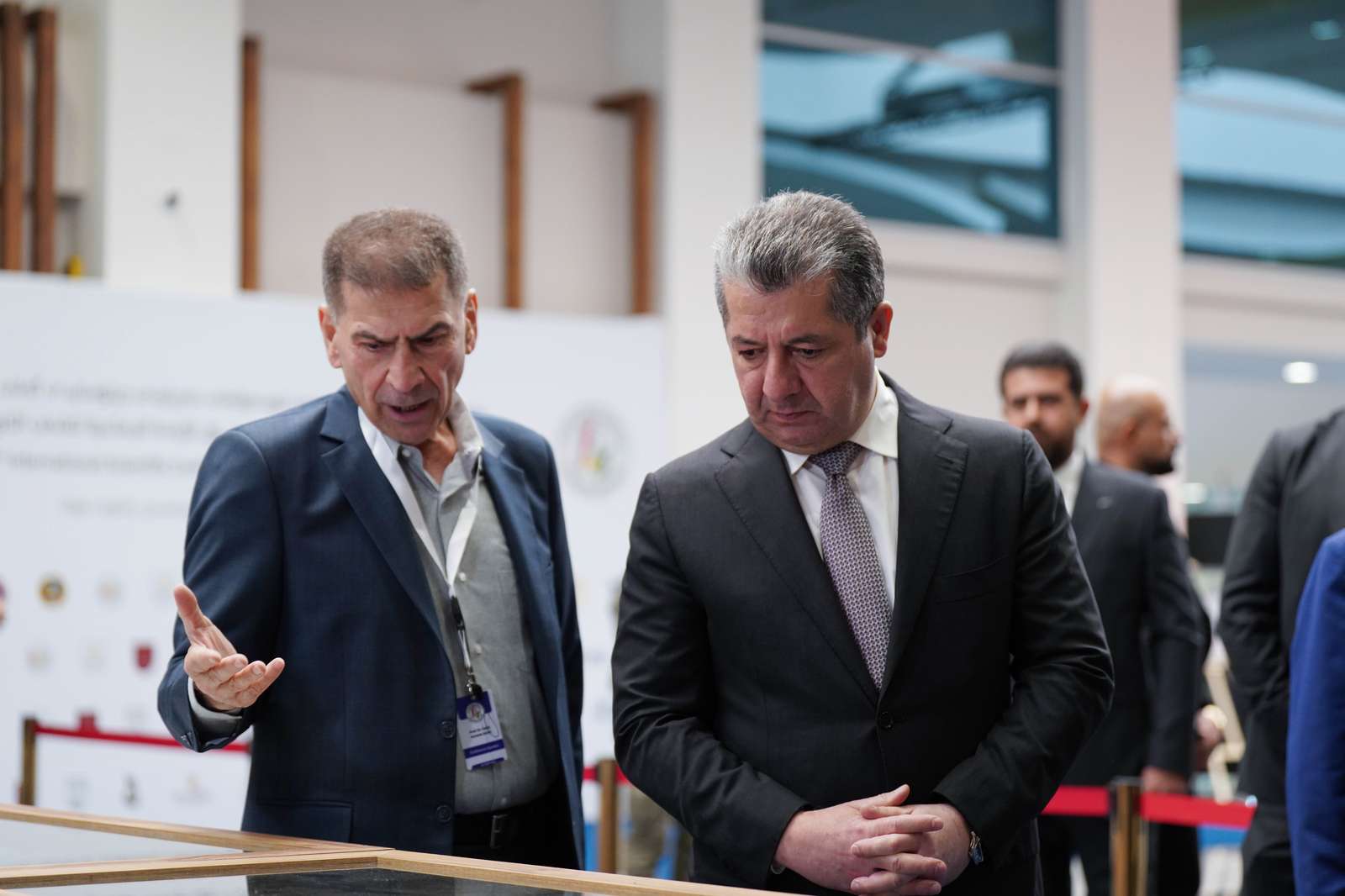
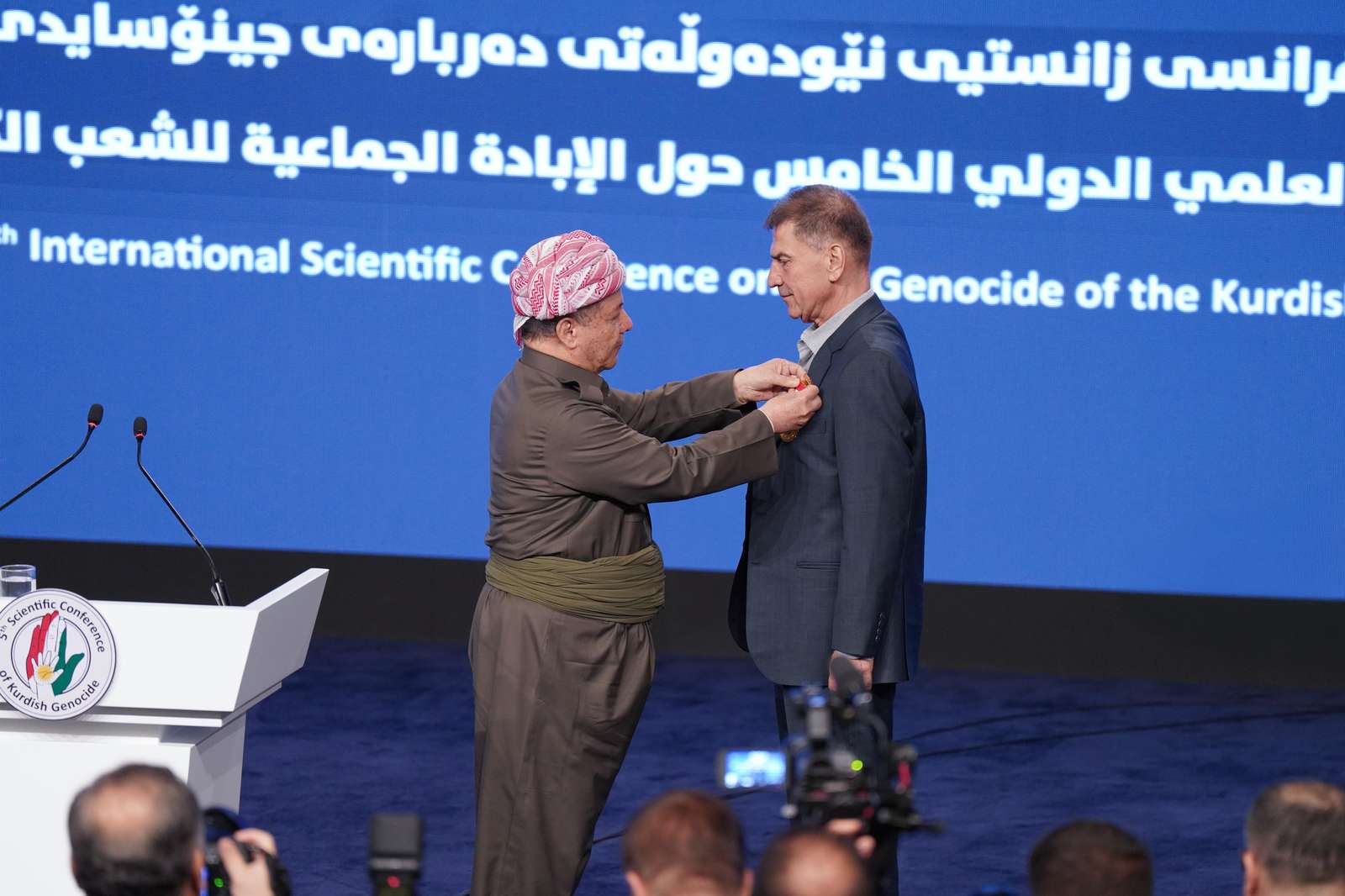
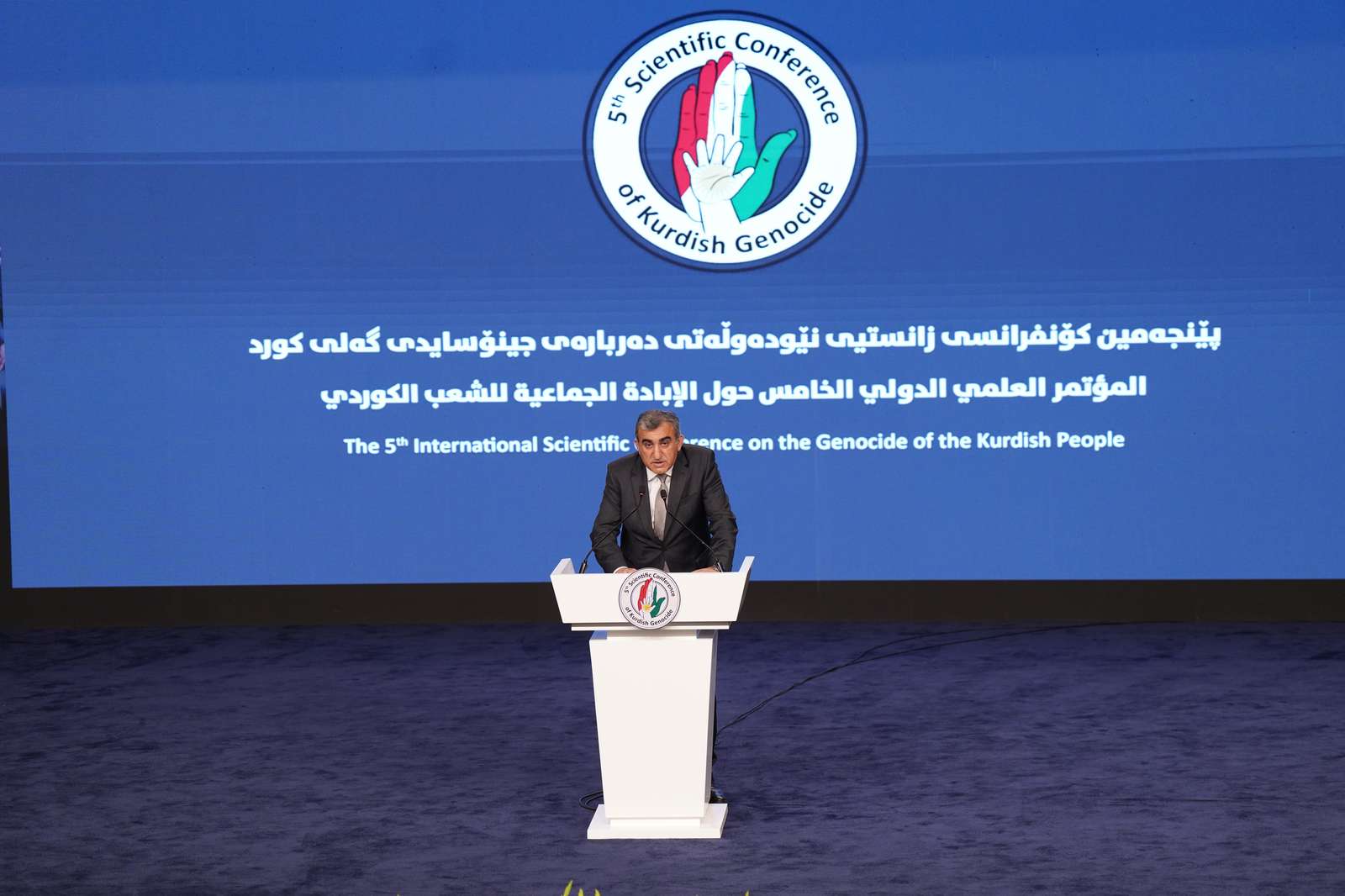
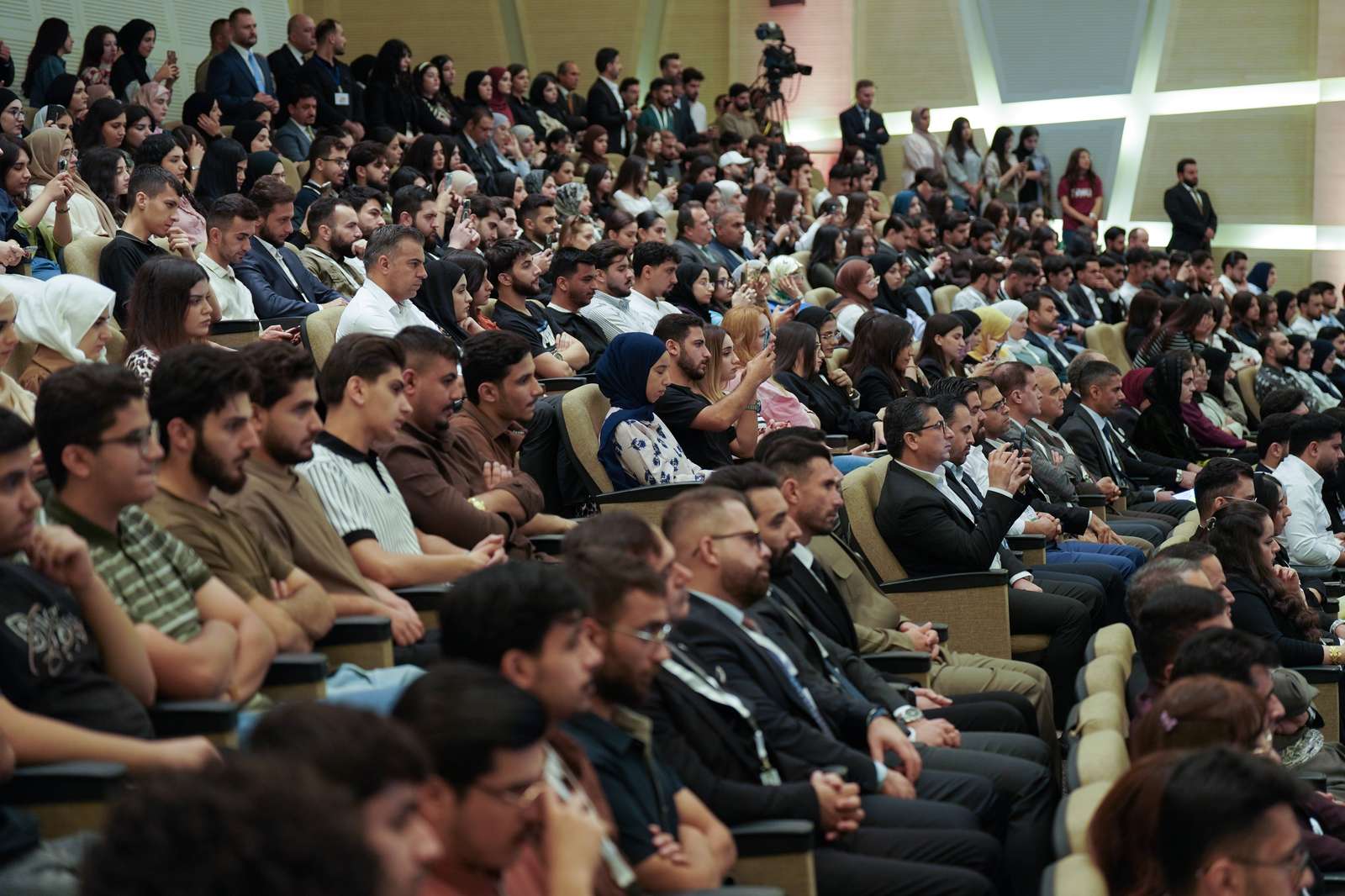
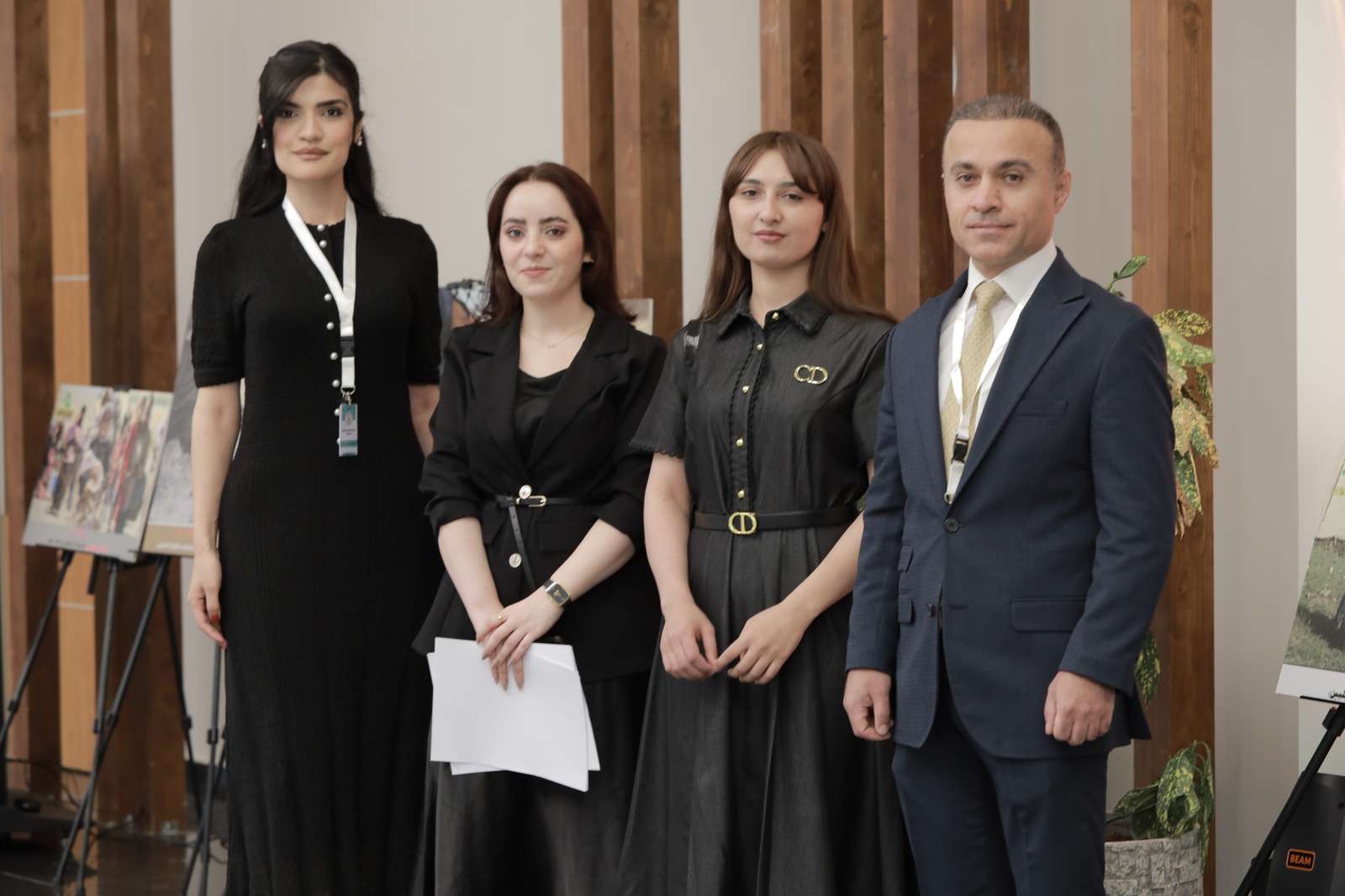
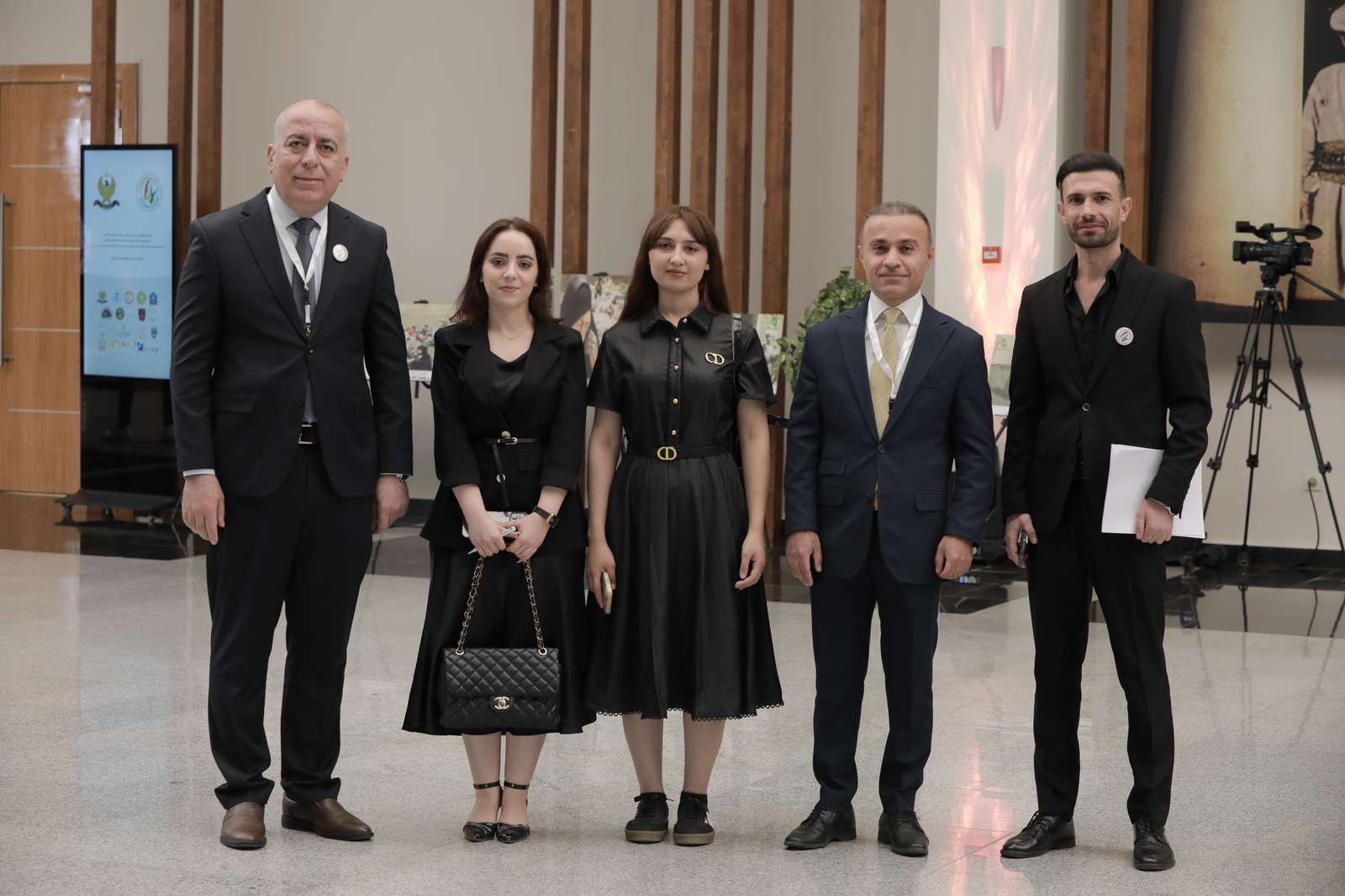
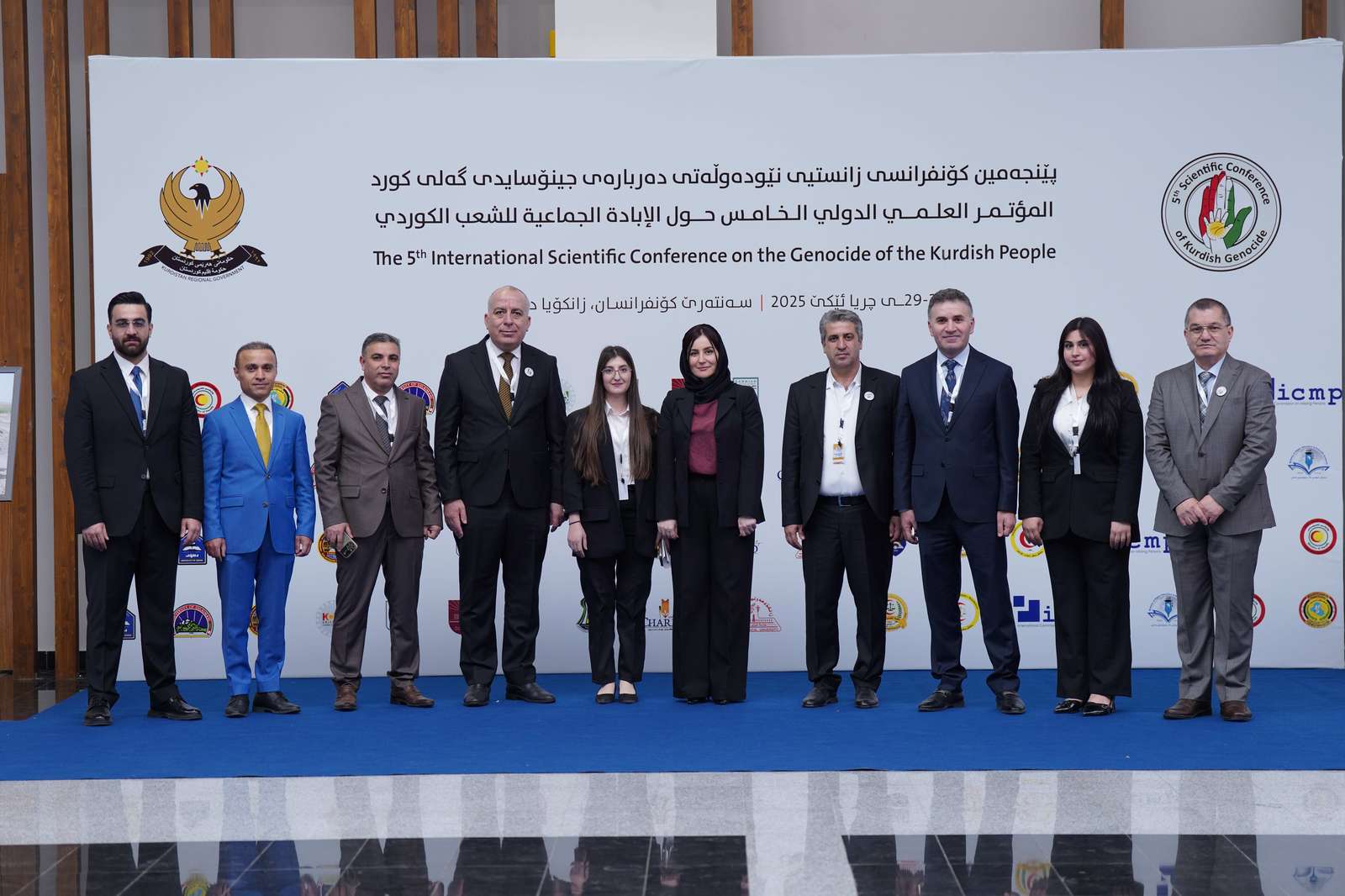
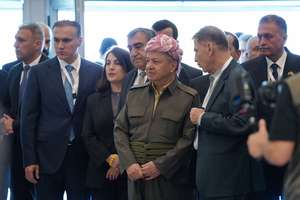
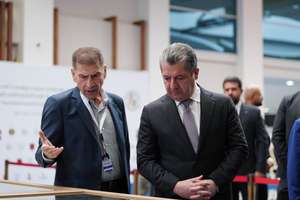
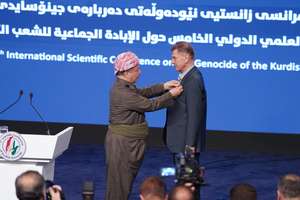
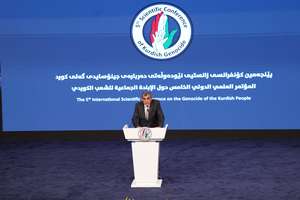
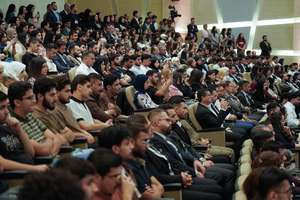
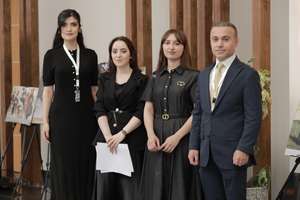
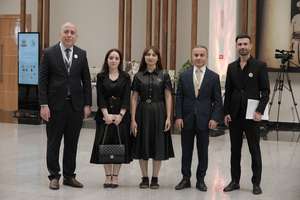
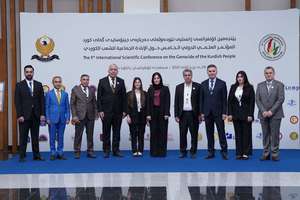
Under the direction of H.E. President Masoud Barzani, his presence and that of H.E. Masrour Barzani, the PM of KRG, who supported the event, the 5th International Scientific Conference on the Genocide of the Kurdish People took place at the University of Duhok on October 28, 29, 2025.
The conference included speeches by H.E. President Masoud Barzani, Dr. Yaseen Kareem, the president of the conference, and Dr. Dawood Atrushi, the president of the University of Duhok.
The conference brought together senior officials, including representatives of the Presidency of the Federal Republic of Iraq and the Prime Minister, policymakers, and scholars.
The conference focused on a wide range of themes, including the following:
- Documenting genocide: forensic evidence, mass graves, and preserving collective memory
- The human toll: trauma, intergenerational memory, and healing among survivors and affected families.
- Crime and justice: legal, psychological, and scientific perspectives on accountability and transitional justice.
- The role of modern forensic science in identifying victims and perpetrators
- The importance of media and activism in preserving memory and achieving international recognition.
- Legal and political pathways necessary to secure justice and accountability.
Following two days of presentations and discussions, the conference was concluded, making a list of recommendations, including the following:
- Establish a National Center for Genocide Documentation.
- Integrate forensic medicine into higher education curricula.
- Fund comparative research on the Kurdish genocide.
- Create a joint federal and Kurdistan Region research plan on genocide.
- Develop specialized postgraduate studies in forensic medicine.
- Create a national digital archive for all genocide-related records. (Recommended by UOD President)
- Support an annual report on genocide studies from the University of Duhok.
- Form a legal commission to pursue international recognition of the genocide.
- Pass a federal law formally recognizing the Kurdish genocide.
- Guarantee the full legal and financial rights of survivors and their families.
- Incorporate the history of the genocide into national school curricula.
- Establish a national museum for the Kurdish genocide.
- Designate an official National Day of Remembrance for the genocide.
- Promote the role of media in raising public awareness of the genocide.
- Provide comprehensive psychosocial support for victims and their families.
- Establish a national fund to support victims' families and social cohesion.