Pioneering Study by UoD Researchers Links Dietary Fat Quality to Obesity-Related Health Risks
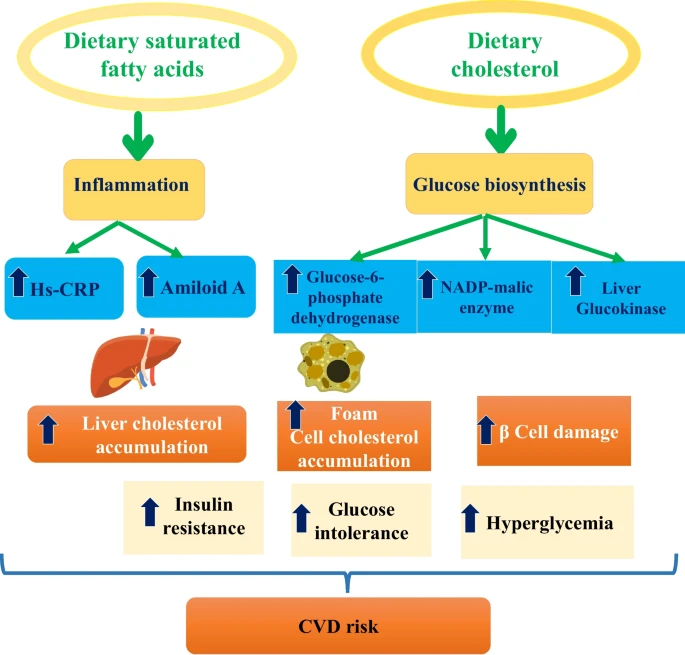
A team of scholars from the University of Duhok (UoD) has made significant strides in understanding the relationship between dietary fat quality and health risks associated with obesity. Their research, titled "Cholesterol to Saturated Fat Index (CSI), Metabolic Parameters and Inflammatory Factors Among Obese Individuals," was recently published in BMC Endocrine Disorders, a peer-reviewed journal with an impact factor of 2.8.
Understanding the Study
The study involved 488 obese individuals aged between 18 and 50, recruited from outpatient obesity clinics. Researchers assessed various anthropometric measurements, including weight, height, waist circumference, and body composition. Fasting blood samples were analyzed for biochemical markers such as blood sugar, serum lipids, high-sensitivity C-reactive protein (hs-CRP), and interleukin-6 (IL-6) concentrations. Physical activity levels were also evaluated using the International Physical Activity Questionnaire (IPAQ).
The primary focus was on the Cholesterol to Saturated Fat Index (CSI), a novel indicator that reflects the atherogenic and thrombogenic potential of a diet. The findings revealed that individuals in the highest tertile of CSI had significantly higher anthropometric indices, serum glucose levels, and hs-CRP concentrations compared to those in the lowest tertile. This suggests that a higher dietary CSI is associated with increased metabolic and inflammatory risks among obese individuals.
Implications for the UoD Community
This groundbreaking research holds substantial implications for the University of Duhok community and the broader Kurdistan region. Obesity rates have been on the rise globally, and the region is no exception. By identifying the link between dietary fat quality and health risks, UoD researchers are contributing valuable insights that can inform public health strategies aimed at combating obesity and its related complications.
Alignment with UoD's Strategic Vision
The University of Duhok has consistently emphasized the importance of quality research that addresses pressing societal issues. This study exemplifies UoD's commitment to advancing scientific knowledge with direct community impact. By focusing on dietary factors influencing obesity-related health risks, the research aligns with the university's strategic goals of promoting public health, enhancing the quality of life in the region, and contributing to global scientific discourse.
Enhancing Research Quality and Collaboration
Publishing in a reputable journal like BMC Endocrine Disorders, with an impact factor of 2.8, underscores the high quality of research being conducted at UoD. This achievement not only elevates the university's academic standing but also opens avenues for future collaborations with international research institutions. Such partnerships can lead to more comprehensive studies and the development of effective interventions to address obesity and related health issues.
Future Directions
While this study provides valuable insights, the authors acknowledge the limitations inherent in its cross-sectional design, which precludes establishing causality. They advocate for longitudinal studies to further explore the relationship between dietary CSI and health outcomes. Additionally, there is a call for public health initiatives to educate the community about the importance of dietary fat quality, encouraging healthier eating habits that could mitigate obesity-related health risks.
Conclusion
The University of Duhok continues to make significant contributions to scientific research with tangible benefits for the community. This study not only highlights the expertise and dedication of UoD scholars but also reinforces the university's role as a leader in addressing critical health issues through quality research. As the global community grapples with rising obesity rates, insights from studies like this are invaluable in shaping effective public health policies and promoting healthier societies.
📍 Read the Full Study: https://doi.org/10.1186/s12902-024-01697-z
📍 Contact Us: Learn more about research initiatives at UoD’s Deanship of Research and Innovation (DRIN).