جامعة دهوك تنظم ندوة أكاديمية حول الإبادة الجماعية للآشوريين
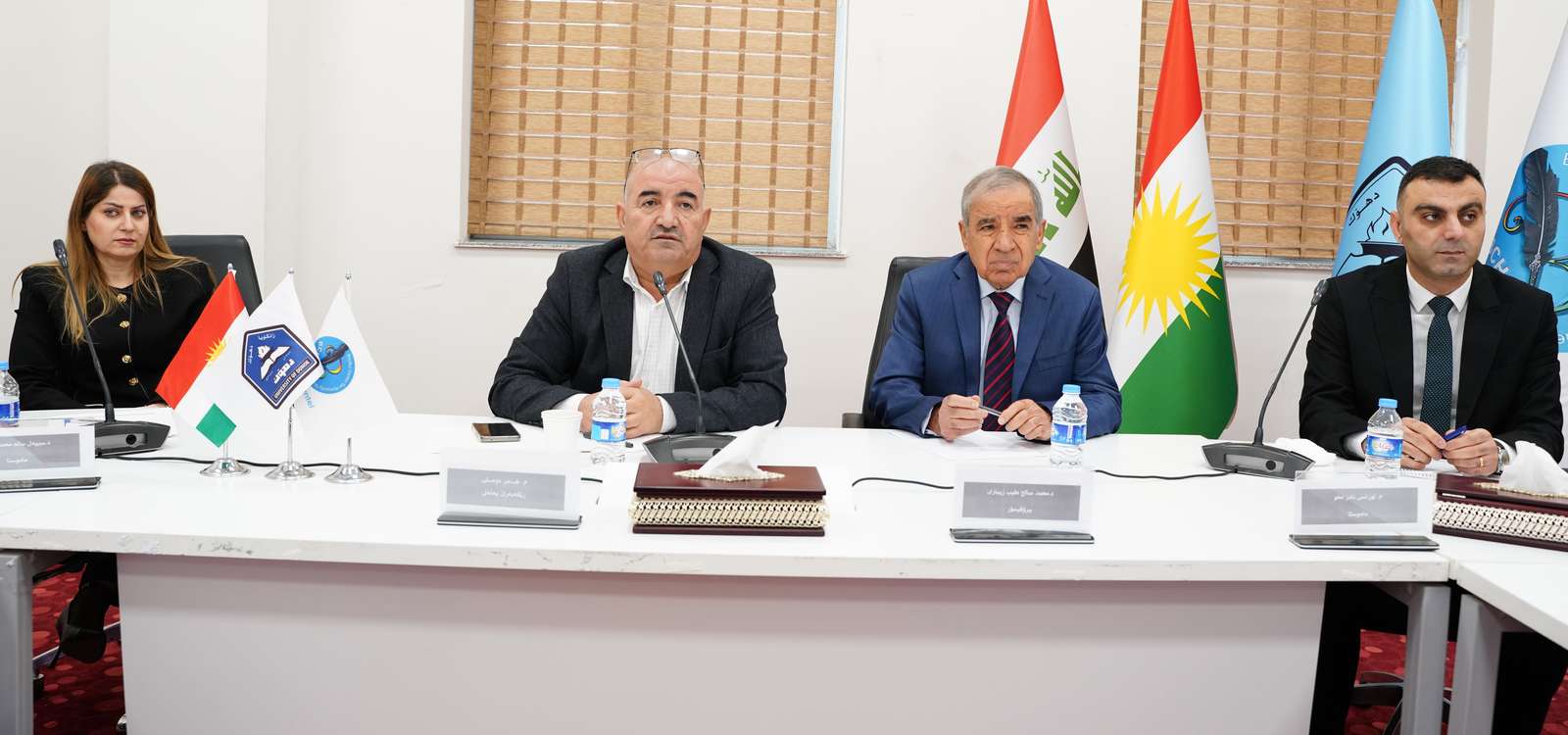
جامعة دهوك، 5 شباط، 2026، المكتب الإعلامي لجامعة دهوك | بهدف إحياء الذاكرة الجماعية للإبادة الجماعية التي تعرّض لها الآشوريون، وإجراء قراءة أكاديمية معمّقة في جذور هذه الجريمة، نظّم مركز بشكجي للدراسات الإنسانية، بالتعاون مع مركز دراسات الإبادة الجماعية في جامعة دهوك، يوم الثلاثاء الموافق 5 شباط 2026، ندوة علمية مهمة بعنوان:
«الإبادة الجماعية للآشوريين عام 1933 في سميل: قراءة أكاديمية شاملة»، وذلك في مركز المؤتمرات بجامعة دهوك.
وشهدت الندوة حضور عددٍ لافت من الكتّاب والمثقفين وأساتذة الجامعة، إلى جانب مختصين في مجالي التاريخ ودراسات الإبادة الجماعية. واستُهلّت الفعالية بكلمة ترحيبية ألقاها د. صلاح محمد سليم، مدير مركز بشكجي، أكد فيها أهمية البحث الأكاديمي في مثل هذه الأحداث التاريخية، ليس فقط للحفاظ على الذاكرة الجماعية، وإنما أيضًا لفهم جذور النزاعات واستخلاص العبر للمستقبل.
وفي الجلسات الرئيسة للندوة، قدّم ثلاثة من المختصين أوراقًا علمية تناولت أبعادًا مختلفة للجريمة، كلٌّ من زاويته البحثية:
- د. محمد صالح زيباري تناول في مداخلته «الأبعاد التاريخية للإبادة الجماعية للآشوريين»، مقدّمًا تحليلًا معمقًا للظروف السياسية والأحداث التي أدّت إلى وقوع هذه الكارثة، ومشيرًا إلى أن إبادة الآشوريين تُعد أول إبادة جماعية في تاريخ العراق الحديث.
- د. سيپل سالم محمد أمين ناقشت في بحثها «الإبادة الجماعية للآشوريين عام 1933 في الصحافة البريطانية»، دور وتأثير الإعلام الدولي في تلك المرحلة، وآليات تغطية الأحداث، موضحةً كيف تم تقويض التحالفات الآشورية ونقض الوعود واستغلال القضية لتحقيق مصالح سياسية. كما تطرّقت إلى حجم المأساة بعد تهجير الآشوريين إلى العراق، والأعباء الاقتصادية التي رافقت إسكانهم في المخيمات ثم القرى، بما فيها بعض مناطق كوردستان، مشيرةً إلى أن الصحافة البريطانية وثّقت مقتل ما يقارب 600 آشوري، بينهم نحو 300 في مجزرة سميل وحدها.
- الآنسة لورانس نادر مخو قدّمت ورقة بعنوان «موقف الكورد من الإبادة الجماعية للآشوريين عام 1933»، تناولت فيها السياق الاجتماعي والعلاقات بين الكورد والآشوريين خلال تلك المرحلة التاريخية الحساسة.
وشكّلت الندوة مساحة حوار علمي مفتوح بين المحاضرين والحضور، طُرحت خلالها العديد من الأسئلة والمداخلات التي أغنت النقاش وأكدت أهمية الموضوع.
وفي ختام الفعالية، تم توزيع نسخ من «الكتاب الأزرق»، الصادر عن الحكومة العراقية والمتعلق بأحداث المأساة الآشورية، والذي أعدّه وقدمّه د. صلاح محمد سليم محمود.
الارتباط بالخطة الاستراتيجية لجامعة دهوك
تنسجم هذه الفعالية الأكاديمية مع الخطة الاستراتيجية لجامعة دهوك (2023–2038)، ولا سيما في محورها المتعلق بتعزيز البحث العلمي في العلوم الإنسانية والاجتماعية، وتشجيع القراءة النقدية للتاريخ، والحفاظ على الذاكرة الثقافية، وترسيخ قيم التعايش السلمي من خلال خطاب أكاديمي قائم على المعرفة والموضوعية.
المكتب الإعلامي – جامعة دهوك | 53 شباط 2026
إعداد: روندك فاضل عادل
تصوير: محمد عبد الكريم طاهر
الكلمات المفتاحية للخبر:
- الإبادة الجماعية للآشوريين 1933
- جامعة دهوك
- دراسات الإبادة الجماعية
- مركز بشكجي للدراسات الإنسانية
- الذاكرة التاريخية والتعايش