
زانکۆیا دهۆک مێهڤانداریا پانێلەکێ ئاست بلند ل دور پاشەڕۆژا (رۆژئاڤایێ کوردستانێ) دکەت: دەلیڤە و سیناریۆیێن سیاسی
زانکۆیا دهۆک، 2ـی شواتا 2026، نڤیسینگەها راگەهاندنا زانکۆیێ |
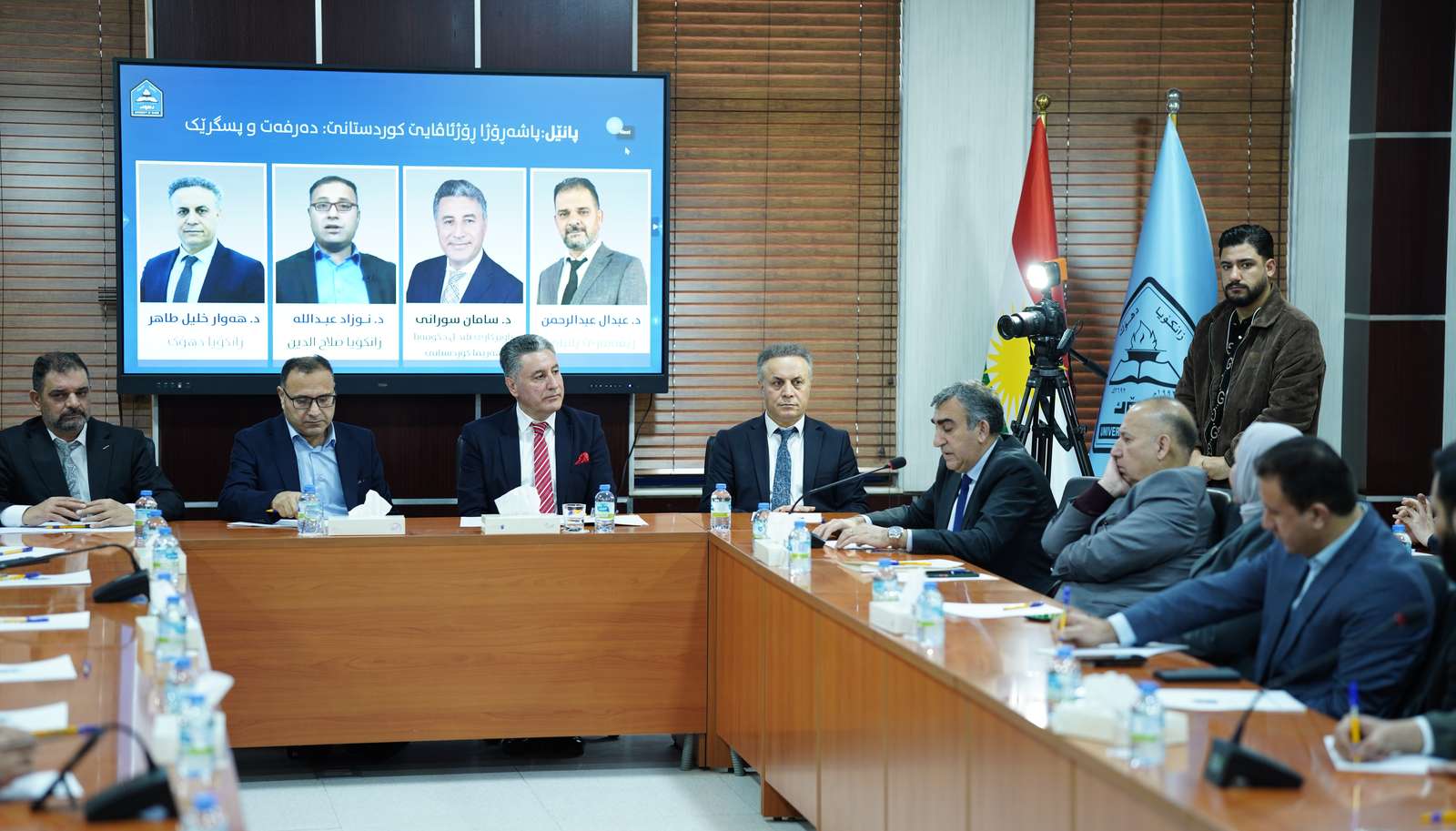
زانکۆیا دهۆک ڕۆلێ خۆ وەک پلاتفۆرمەکا ئەکادیمی یا پێشەنگ بۆ دیالۆگا سیاسی و خواندنێن هەرێمی دوپات کر، ئەو ژی ب ڕێکا مێهڤانداریکرنا دانوستاندنەکا پانێلی یا ئاست بلند ل دور پاشەڕۆژا رۆژئاڤا (رۆژئاڤایێ کوردستانێ) و لێکەفتێن وێ یێن سیاسی، مرۆڤی و هەرێمی.
ئەڤ چالاکیە ژ لایێ کۆلیژا زانستێن سیاسی ڤە ل 1ـی شوتێ هاتە ڕێکخستن، ب ئامادەبوونا د. داود سلێمان ئەتروشی، سەرۆکێ زانکۆیا دهۆک، ل گەل ژمارەکا مامۆستایێن ئەکادیمی، ڤەکۆلەر، شارەزایێن سیاسی و ئەندامێن دەستەیا وانەگۆتنێ.
سەرکردایەتیا ئەکادیمی و دیتنا ستراتیژی
د پەیڤا خۆ یا دەستپێکێ دا، د. داود تەەکەزی ل سەر گرنگیا ئێکڕێزیا کوردی و هەڵوێستێ سیاسی یێ هەڤپشك کر، و ڕۆلێ ستراتیژی یێ سەرۆک مەسعود بارزانی د پشتەڤانیکرنا سەقامگیری و دیالۆگێ ل دور پرسێن رۆژئاڤا بلند نرخاند. هەروەسا ئاماژە ب بەرپرسیارەتیا زانکۆ و سەنتەرێن ڤەکۆلینان – ب تایبەت ل زانکۆیا دهۆک – کر بۆ کویرکرنا پشکداریا ئەکادیمی ب ڕێکا ڤەکۆلین، سیمینار، وۆرکشۆپێن تایبەت ب سیاسەتان، و کۆنفرانسێن نێڤدەوڵەتی یێن گرێدای ب پێشهاتێن دەڤەرێ.
ئەڤ میتۆدە دگەل پیشنەیێن ستراتیژی یێن زانکۆیا دهۆک د گونجیت د بیاڤێ پێشەنگیا ڤەکۆلینان، پەیوەندیێن ناڤدەولەتی، و بەرهەمێ ئەکادیمی یێ کارتێکرنێ ل سەر سیاسەتان دکەت.
ڕۆلێ هەرێمی یێ حکومەتا هەرێما کوردستانێ
د. سامان سۆرانی، شیرەتکارێ باڵا یێ حکومەتا هەرێما کوردستانێ، پشتەڤانیا مرۆڤی و سیاسی یا حکومەتا هەرێمێ بۆ خەڵکێ رۆژئاڤا دوپات کر، ب تایبەت دابینکرنا خۆراک، هاریکاریێن پزیشکی، و خزمەتگوزاریێن سەرەکی. هەروەسا ڕۆلێ دیپلۆماسی یێ سەرۆکێ حکومەتێ مەسرور بارزانی دیارکر، نەخاسمە د کۆڕبەندێن ناڤدەولەتی وەک داڤۆس، د داکۆکیکرنێ دا ل سەقامگیریا سیاسی ل سووریایێ ب شێوازەکێ کو بەرژەوەندیێن کوردی بپارێزیت.
دینامیکیەتا ناڤدەولەتی و هەرێمی
ل دور سیاسەتا ناڤدەولەتی، د. نەوزاد عەبدولڵا ژ زانکۆیا سەلاحەدین – هەولێر باس ل نەجێگیریا سیاسەتا ئەمریکا بەرامبەر رۆژئاڤا کر، و دوپاتی ل پێتڤیا هەماهەنگیا کوردی یا بهێزتر کر د ناڤبەرا گوهۆڕینێن جیۆپۆلیتیکی دا. هەروەسا تیشک ئێخستە سەر بزاڤێن نێڤبەینکاریێ یێن سەرۆک نێچیرڤان بارزانی، ب تایبەت ڕۆلێ وی د کێمکرنا گرژیان د ناڤبەرا رۆژئاڤا و دیمەشقێ و پشتەڤانیکرنا دەستپێشخەریێن ئاگربەستێ.
سیناریۆیێن پاشەڕۆژێ و ئاستەنگێن هەرێمی
د گەنگەشا دوماهیێ دا، د. هەوار خەلیل تاهیر، ڕاگرێ کۆلیژا زانستێن سیاسی ل زانکۆیا دهۆک، چەندین سیناریۆیێن سیاسی بۆ پاشەڕۆژا رۆژئاڤا و سووریایێ پێشکێشکرن. شیکاریا وی ل سەر کارتێکرنا هەرێمی یا تورکیا بوو، و نێڕینا ئەنقەرە بەرامبەر پێکهاتەیێن سیاسی یێن کوردی ب نەرێنی وەسف کر، هەروەسا گوهۆڕینێن د شیان دا یێن سیاسەتێن دیمەشقێ و لێکەفتێن وێ ل سەر ماف و حوکمڕانیا کوردی شرۆڤەکرن.
بەرهەمهێنانا زانینێ و کارتێکرنا سیاسەتێ
پاتێل ب گەنگەشەکا ڤەکری و پرسیار و بەرسڤان ب دوماهی هات، کو ئەڤ چەندە پابەندبوونا زانکۆیا دهۆک نیشان ددەت وەک سەنتەرەکێ مەعریفی کو ڤەکۆلینێن ئەکادیمی و بڕیاردانێ ب هەڤگرێددەت، ب تایبەت ل سەر پرسێن گرێدای ب سیاسەتا رۆژهەڵاتا ناڤین، خواندنێن کوردی، چارەسەرکرنا ناکۆکیان، و سەقامگیریا هەرێمی.
ڤێرە كلیك بكە بۆ دیتنا وێنەیان
نڤیسینگەها راگەهاندنا زانكۆیێ، 2ـی شواتا 2026
راپۆرت: سەباح عەبدولعەزیز محەمەدسالح
وێنە: عەلی حەبیب حەبیب