University of Duhok Hosts Scientific Panel on President Barzani’s Historical Role in the Rojava (Western Kurdistan) and Syrian Question
UOD – February 11, 2026 | University Press Office (UNPO) —
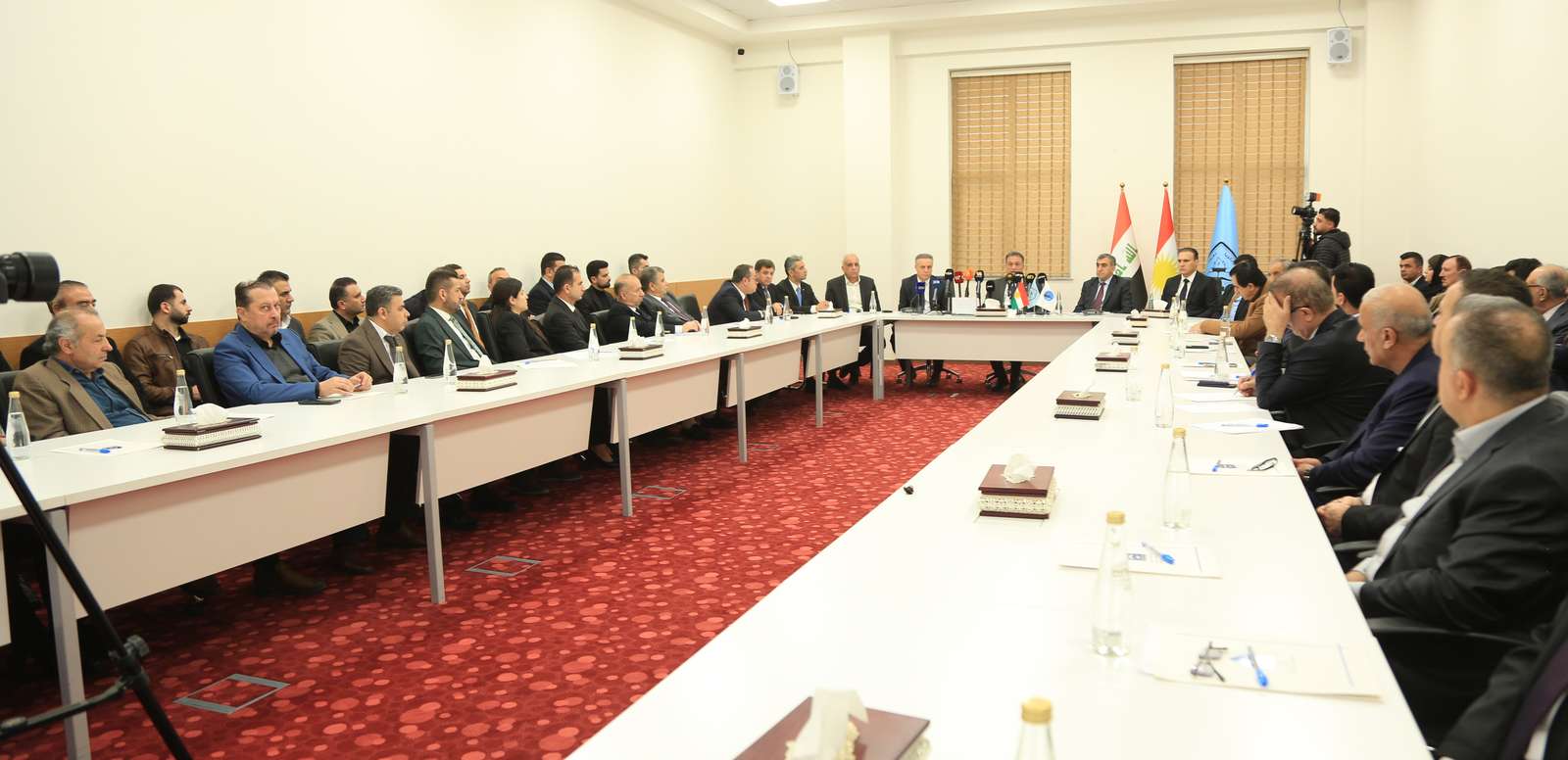
The University of Duhok organized a high-level academic panel titled “President Barzani: A Reference Point in Addressing the Kurdish Question in Rojava”, bringing together scholars, political analysts, and public figures to examine recent developments in Syria and the broader regional context.
The event was jointly coordinated by five UOD research centers: the Beşikçi Center for Humanity Research, the Center for Genocide Studies, the Federalism Studies Center, the Peace and Conflict Resolution Studies Center, and the Center for Gender Equality Studies. The panel was held at the University Convention Center and attended by prominent academics, policymakers, intellectuals, and faculty members.
In his opening remarks, Dr. Dawood Sulaiman Atrushi, President of the University of Duhok, emphasized the university’s scientific and national responsibility to provide objective academic analysis on critical regional issues, particularly those related to the future of the Kurdish people. He reaffirmed UOD’s commitment to continuing scholarly dialogue on Rojava and other strategic topics shaping regional stability.
Strategic and Diplomatic Dimensions
Speaker I: Mr. Serbest Lezgin
Topic: Geopolitical Developments in Syria and President Barzani’s Diplomatic Role
Mr. Serbest Lezgin, Head of the Kurdistan Democratic Party Organizational Office in Duhok, delivered an in-depth analysis of Middle Eastern political transformations and global policy dynamics affecting the region. He highlighted President Masoud Barzani’s early and continuous diplomatic engagement during the Syrian crisis, including:
- Humanitarian support for nearly 200,000 displaced persons from Rojava.
- The historic deployment of Peshmerga forces to Kobani.
- Diplomatic mediation efforts aimed at preventing escalation and protecting Kurdish communities.
He also referenced recent diplomatic efforts that contributed to de-escalation and dialogue between Syrian stakeholders, emphasizing the strategic importance of political wisdom in preventing broader conflict.
Speaker II: Dr. Zubaida Said Salih (Moderator)
Head of the Sociology Department, College of Humanities, moderated the second session.
Speaker III: Mr. Ahmed Zawetayee
Topic: President Barzani’s Position in International Media and Political Legitimacy
Ahmed Zawetayee, Head of the Media Communication and Dialogue Center, analyzed President Barzani’s representation in international media discourse. He noted that global media outlets often frame him as a legitimate and influential reference in decisive regional matters.
He emphasized that balanced political strategy and diplomatic engagement played a key role in preventing potential Kurdish–Arab conflict, describing the approach as one of political prudence that combined ethical considerations with strategic negotiation.
Academic Engagement and Strategic Alignment
The session concluded with an open academic discussion, where participants provided analytical contributions on the future of Kurds in Syria and the broader regional impact of recent developments.
This event reflects the University of Duhok Strategic Plan (2023–2038), particularly its emphasis on strengthening research centers, promoting peace and conflict studies, encouraging policy-oriented research, and positioning UOD as a regional platform for intellectual leadership and evidence-based dialogue.
CLICK HERE TO VIEW THE MEDIA COVERAGE FOR THIS EVENT
Reported by: Fatima Mahmood Ali
Photography: Mohammed A. Tahar.
University Press Office – February 10, 2026
News Keywords:
- University of Duhok
- Rojava Developments
- President Barzani Diplomacy
- UOD Research Centers
- Peace and Conflict Studies