جامعة دهوك تستضيف ندوة حول الصراع السوري وتأثيره على إقليم كردستان
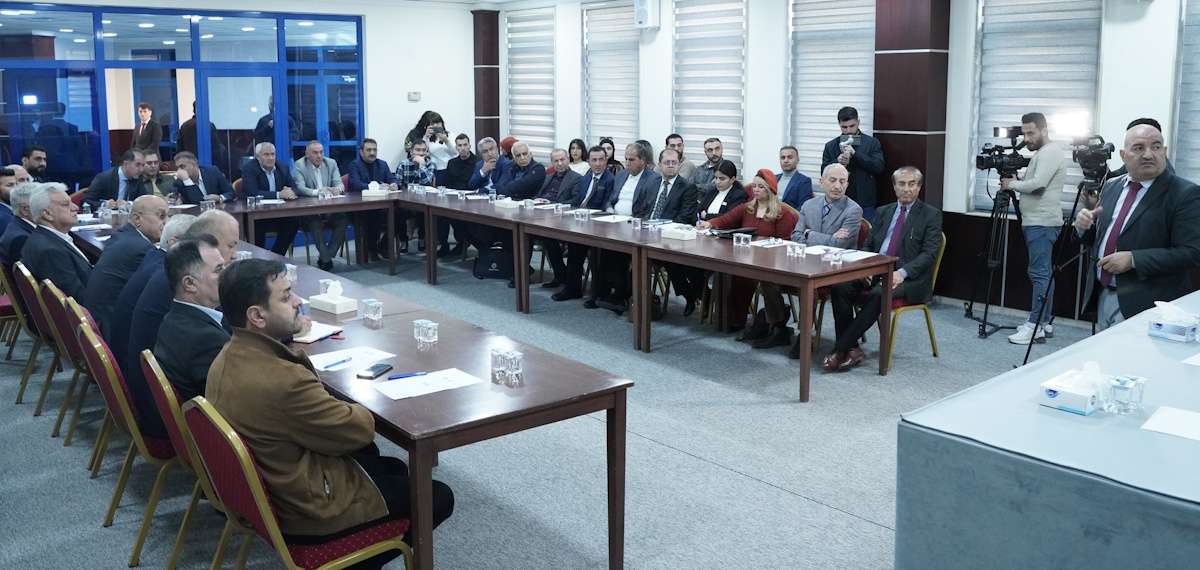
خبراء أكاديميون يناقشون الاستقرار الإقليمي والديناميكيات السياسية
📅 التاريخ: 4 فبراير 2025
📍 الجهة: مركز دراسات السلام وحل النزاعات – جامعة دهوك
في إطار أنشطتها الأكاديمية لعام 2025، نظم مركز دراسات السلام وحل النزاعات في جامعة دهوك ندوة أكاديمية متخصصة ناقشت الصراع المستمر في سوريا وانعكاساته على إقليم كردستان. وجمعت الندوة نخبة من الأكاديميين والخبراء السياسيين والباحثين، الذين تناولوا تعقيدات الأزمة، مسلطين الضوء على التحديات الجيوسياسية، التحولات في موازين القوى، والاستراتيجيات السياسية الكردية في سوريا.
عُقدت الندوة في 4 فبراير 2025 بحضور أكاديميين بارزين قدموا تحليلات معمقة حول تطورات الصراع السوري. وتركزت النقاشات على الصراع على السلطة بين هيئة تحرير الشام، دور الفاعلين الدوليين، ومستقبل الحكم الكردي في روجافا.
المحاور الرئيسية والتحليلات الأكاديمية
1. الصراع السوري: الغموض الجيوسياسي وتغير التحالفات
ناقشت الجلسة الأولى عدم الاستقرار المستمر في سوريا، والتحديات التي تواجه حكم هيئة تحرير الشام، والتداعيات الإقليمية الأوسع، حيث تطرق الخبراء إلى:
✅ الانقسامات الداخلية في هيئة تحرير الشام وتأثيرها على استقرار الجماعة على المدى الطويل.
✅ المشهد السياسي المتغير في دمشق وتأثيره على مستقبل الحكم في سوريا.
✅ دور الفاعلين الدوليين، بما في ذلك تركيا، الولايات المتحدة، ودول الخليج، في تشكيل مستقبل سوريا.
الدكتور هوار خليل تاهر، عميد كلية العلوم السياسية، تحدث عن التحديات الداخلية التي تواجه هيئة تحرير الشام، مشددًا على هشاشة قيادتها ومخاطر الانقسام الداخلي. وأوضح أن مستقبل سوريا السياسي لا يزال غير مؤكد، مع لعب القوى الإقليمية دورًا حاسمًا في تشكيل الحكم.
الدكتورە هەژار بشير كلاري سعدون تناولت البعد الدولي للصراع السوري، مشيرة إلى أن التدخلات الدولية غالبًا ما تكون مدفوعة بالمصالح الجيوسياسية أكثر من الاعتبارات الإنسانية. وأكدت أن التغيرات في السياسات الأمريكية قد تترك آثارًا بعيدة المدى على استقرار سوريا.
الدكتور صديق صديق حامد، من قسم دراسات السلام وحقوق الإنسان، قدم تحليلًا تاريخيًا للصراع السوري، مشيرًا إلى أن التوقعات الأولية حول استمرار نظام بشار الأسد قد تغيرت بشكل جذري. وأضاف أن انهيار الجيش السوري أعاد تشكيل المشهد الجيوسياسي، مما أثر على الحكم الذاتي الكردي واستقرار المنطقة.
2. المنظور الكردي: الحكم الذاتي والاستراتيجيات السياسية في روجافا
تناولت الجلسة الثانية مستقبل الحكم الذاتي الكردي في روجافا، مع التركيز على الاستراتيجيات السياسية والعسكرية لضمان الاستقرار طويل الأمد. ناقش الخبراء:
✅ نقاط القوة والتحديات التي تواجه الإدارة الذاتية الكردية في سوريا.
✅ تطور العلاقات بين الفصائل السياسية الكردية والجهات الفاعلة الدولية.
✅ دور إقليم كردستان في دعم الاستقرار الكردي في سوريا.
الدكتور علي ميراني، أستاذ التاريخ في جامعة زاخو، حلل الديناميكيات السياسية والعسكرية في روجافا، مشددًا على أهمية التعاون بين الرئيس مسعود بارزاني وقائد قوات سوريا الديمقراطية مظلوم عبدي. وأوضح أن الوحدة الكردية ضرورية لضمان الاعتراف السياسي والدعم الدولي.
عز الدين ناسو، من مركز بشكجي للدراسات الإنسانية في جامعة دهوك، ناقش التحديات التي تواجه التحالف السياسي الكردي مع القوى العالمية. وأشار إلى أن الإدارة الذاتية في روجافا يجب أن تتعامل بحذر مع علاقتها بحزب العمال الكردستاني (PKK)، لأن ذلك يؤثر على الدعم الدولي وإمكانيات التفاوض الدبلوماسي.
3. دور إقليم كردستان في دعم الاستقرار
ناقشت الجلسة الأخيرة الدور الاستراتيجي لإقليم كردستان في تعزيز السلام والاستقرار في سوريا، حيث شدد الخبراء على الحاجة إلى:
✅ استراتيجية سياسية كردية موحدة لحماية المصالح الكردية في سوريا.
✅ جهود دبلوماسية لضمان تمثيل الأكراد في أي حكومة ما بعد الصراع.
✅ تعزيز العلاقات مع الشركاء الدوليين للدفاع عن الحقوق الكردية.
إبراهيم محمد خليل محمود، باحث في مركز بشكجي للدراسات الإنسانية، تحدث عن المشهد الاجتماعي والسياسي الأوسع في سوريا، موضحًا أن المقاومة الكردية لعبت دورًا محوريًا في تشكيل مستقبل سوريا. كما أشار إلى دور قوات البيشمركة في معركة كوباني باعتبارها لحظة فارقة في التاريخ السياسي الكردي.
أبرز النتائج والتوصيات
🔹 الصراع السوري لا يزال متقلبًا، حيث تواصل الجهات الخارجية التأثير على هياكل الحكم.
🔹 الإدارة الذاتية الكردية في روجافا تواجه فرصًا وتحديات، مما يتطلب تعزيز المشاركة الدولية.
🔹 يجب على إقليم كردستان اتخاذ دور أكثر فاعلية في توحيد الصف الكردي وتعزيز الاستقرار في سوريا.
🔹 التدخلات الدولية في سوريا تستند إلى اعتبارات جيوسياسية أكثر من كونها إنسانية.
الختام: دعوة إلى المشاركة الاستراتيجية
أكدت الندوة على أهمية البحث الأكاديمي، ووضع السياسات، والجهود الدبلوماسية لفهم الأزمة السورية والتعامل معها بفعالية. ودعا الخبراء إلى تعزيز التعاون الأكاديمي لإنتاج أبحاث قائمة على السياسات تساعد صناع القرار وأصحاب المصلحة.
جامعة دهوك، من خلال مركز دراسات السلام وحل النزاعات، تواصل التزامها بتعزيز تبادل المعرفة وفتح النقاشات الهادفة حول النزاعات الإقليمية وتأثيرها على الاستقرار السياسي والاجتماعي الكردي.
📍 إعلام جامعة دهوك | 4 فبراير 2025
✍ إعداد: عصمت م. محمد
📸 تصوير: هرمان جانگیر أحمد