جامعة دهوك تحتضن المؤتمر الدولي الثالث حول الإيزيديين: الدين، التراث، التاريخ والجغرافيا
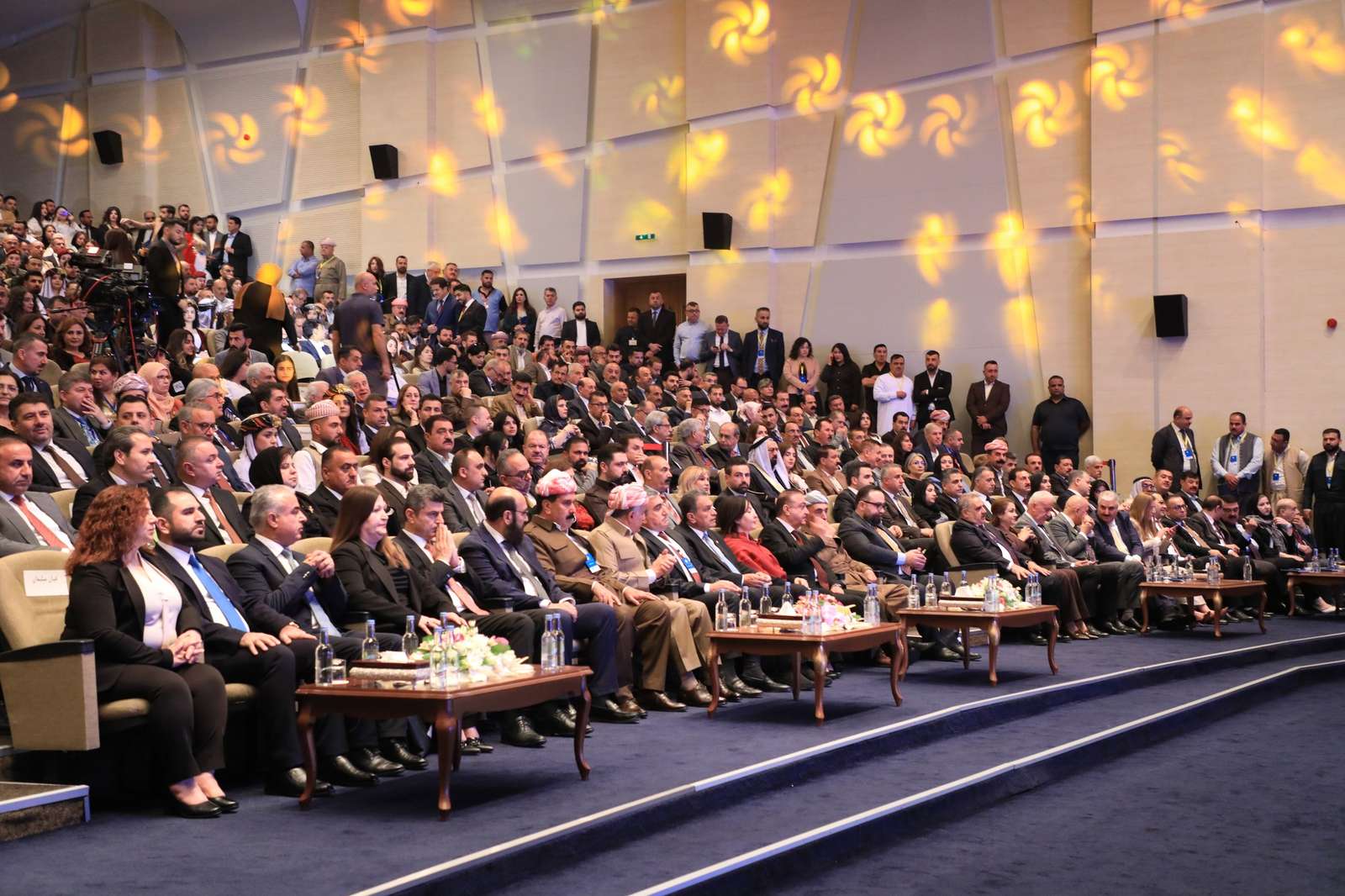
📍 جامعة دهوك | 1 ایار2025 – المكتب الاعلامي لجامعة دهوك | برعاية فخامة رئيس وزراء اقليم كوردستان، السيد مسرور بارزاني، وفي تجسيد واضح لدورها الريادي في البحث الأكاديمي وصون التراث الثقافي، نظّمت جامعة دهوك بنجاح المؤتمر العلمي الدولي الثالث تحت عنوان: "الإيزيديون: الدين، التراث، التاريخ والجغرافيا (ERHHG-2025)"، وذلك في مركز مؤتمرات الجامعة خلال يومي 29 و30 نيسان 2025.
جمع المؤتمر نخبة من الباحثين والمؤرخين وصنّاع القرار والمدافعين عن التراث الثقافي من العراق ومختلف دول العالم، لمناقشة قضايا الهوية، والانتهاكات التاريخية، والإرث الحضاري للشعب الإيزيدي. وتأتي هذه المبادرة ضمن إطار الرؤية الإستراتيجية لجامعة دهوك 2023–2038، التي تركز على البحث الشامل، وخدمة المجتمع، وتوثيق الثقافات المهمشة كركائز للتميز الأكاديمي.
التعاون المؤسسي والدعم الرسمي
نُظم المؤتمر بالتعاون مع مركز لالش الثقافي والاجتماعي، وتحت إشراف رئاسة جامعة دهوك واللجنة العلمية واللجنة التحضيرية التابعة لكلية الآداب.
أهمية استراتيجية: تعزيز دور الجامعة في خدمة التراث والمجتمع
تؤكد جامعة دهوك التزامها بدعم التماسك الاجتماعي، وصون التراث الثقافي، وتوثيق المجتمعات المهمشة. وقد شكّل المؤتمر منصة أكاديمية بارزة لـ:
- تسليط الضوء على تاريخ وفلسفة الدين الإيزيدي.
- معالجة تحديات الإبادة الجماعية والنزوح والشتات.
- تعزيز الحوار بين الثقافات والدعوة إلى الاعتراف بحقوق الأقليات.
- إنتاج أبحاث أكاديمية تدعم صون التراث والسلام المستدام.
💠 فعاليات الجلسة الافتتاحية | 29 نيسان 2025
افتُتِحت فعاليات المؤتمر بكلمات مؤثرة من شخصيات أكاديمية وحكومية وروحية، أبرزها:
🎓 الدكتور سعيد خديدة علو، عميد كلية العلوم الإنسانية– جامعة دهوك
"هذا المؤتمر ليس مجرد توثيق؛ بل هو عن الكرامة والعدالة والبقاء الثقافي. من واجبنا كأكاديميين الحفاظ على الأصوات التي حاول التاريخ إسكاتها."
🏛️ الدكتور داوود سليمان الاتروشي، رئيس جامعة دهوك
"تفخر جامعة دهوك بأن تكون ملاذًا أكاديميًا للهويات المهددة. هذا الحدث يجسد رؤيتنا الإستراتيجية: حيث يصبح التعليم درعًا للإنسانية، ويصبح البحث أداة للشفاء."
🛡️ السيد ريبـر أحمد خالـد، وزير الداخلية – حكومة إقليم كوردستان
"تقف حكومة الإقليم بحزم في واجبها لحماية جميع المكونات. لقد عانى الإيزيديون من فظائع لا توصف، وحان الوقت لتمكينهم عبر السياسات والاعتراف والتعليم. وهذا المؤتمر هو خطوة حقيقية في هذا الاتجاه."
👑 الأمير حازم تحسين بك، الزعيم الروحي للإيزيديين
"لقد تم تجاهل معاناتنا طويلاً. فليكن هذا المؤتمر نقطة تحول، حيث يصبح العلم جسرًا نحو الحقيقة والاحترام والاعتراف العالمي بالإيزيديين."
🕊️ السيد سعيد جردو مطو، رئيس مركز لالش الثقافي والاجتماعي
"إنه حدث تاريخي؛ لأول مرة يُمنَح الدين والتاريخ والثقافة الإيزيدية هذا الحضور في محفل أكاديمي دولي. نشكر جامعة دهوك على قيادتها ودعمها."
🧭 محاور المؤتمر ومشاركة عالمية
تناول المؤتمر خمسة محاور رئيسية:
- الدين الإيزيدي
- الهوية التاريخية والسياسية
- الجغرافيا والاقتصاد
- النصوص والمعتقدات الدينية
- التراث والفولكلور والموسيقى الإيزيدية
وقد نوقش أكثر من 70 بحثًا ضمن 16 جلسة علمية من جامعات عراقية وأوروبية وأمريكية. وقد قُدمت البحوث بثلاث لغات: الكوردية، والعربية، والإنجليزية.
🎓 الجلسة الختامية وتوزيع شهادات التقدير | 30 نيسان 2025
اختُتِم المؤتمر بحفل مؤثر شاركت فيه شخصيات عامة، ومسؤولون حكوميون، وممثلون عن القوى السياسية والاجتماعية.
ألقى الدكتور نشوان شوكت محمود، رئيس اللجنة العلمية، كلمة تضمّنت التوصيات الختامية للمؤتمر، والتي شملت ما يلي:
- زيادة البحث العلمي حول الدين الإيزيدي وأصوله.
- توسيع نطاق توثيق التاريخ والثقافة الإيزيدية.
- دعوة المجتمع الإيزيدي للمشاركة النشطة في أرشفة تاريخه.
- تحليل تأثير الأديان المجاورة على المعتقدات الإيزيدية.
- اعتماد مترجمين معتمدين وتوظيف اللهجات الإيزيدية في التوثيق.
- إنشاء متحف وطني يوثق الدين والتاريخ والإبادة الجماعية للإيزيديين في كوردستان والعراق.
- إشراك الشخصيات الإيزيدية في المناصب الحكومية.
- تأسيس معهد متخصص في الدراسات الدينية الإيزيدية.
- إعادة إعمار مناطق مثل قضاء سنجار والنواحي المجاورة.
- تحويل قضاء سنجار إلى محافظة مستقلة.
- تعزيز التغطية الإعلامية لقضايا المجتمع الإيزيدي.
وأكد الدكتور نشوان أن هذه التوصيات، مع البحوث المقدمة، سيتم طباعتها وتوزيعها على الجهات المعنية.
في نهاية الحفل، تم توزيع شهادات تقدير على الشخصيات البارزة، وأعضاء اللجنتين العلمية والتحضيرية، تثمينًا لجهودهم التي ساهمت في إنجاح هذا الحدث التاريخي.
📌 تعزيز موقع جامعة دهوك في البحث والتوثيق والدمج الرقمي
بما يتماشى مع أهدافها الإستراتيجية، تواصل جامعة دهوك الاستثمار في التحول الرقمي، والحوار الأكاديمي الشامل، وتوثيق التراث الثقافي، من خلال:
- دعم البحث المتعدد التخصصات في دراسات الإيزيديين.
- ترسيخ الجامعة كمركز مرجعي في أبحاث الأقليات الثقافية والدينية.
- تعزيز الشراكات المحلية والعالمية لنقل المعرفة والدفاع عن الحقوق.
اعلام جامعة دهوك، 1 ايار 2025
📝 إعداد: فاطمه محمود علي
📸 تصوير: محمد عبدالكريم طاهر – علي حبيب حبيب – هرمان جانگير أحمد
🔖 الكلمات المفتاحية (Meta Keywords):
- مؤتمر الإيزيديين دهوك 2025
- فعاليات جامعة دهوك
- الدين والتاريخ الإيزيدي
- التراث الثقافي في كوردستان
- حقوق الأقليات في العراق