The Presidents of the University of Duhok and the University of Zakho held a meeting to discuss mutual programs and projects
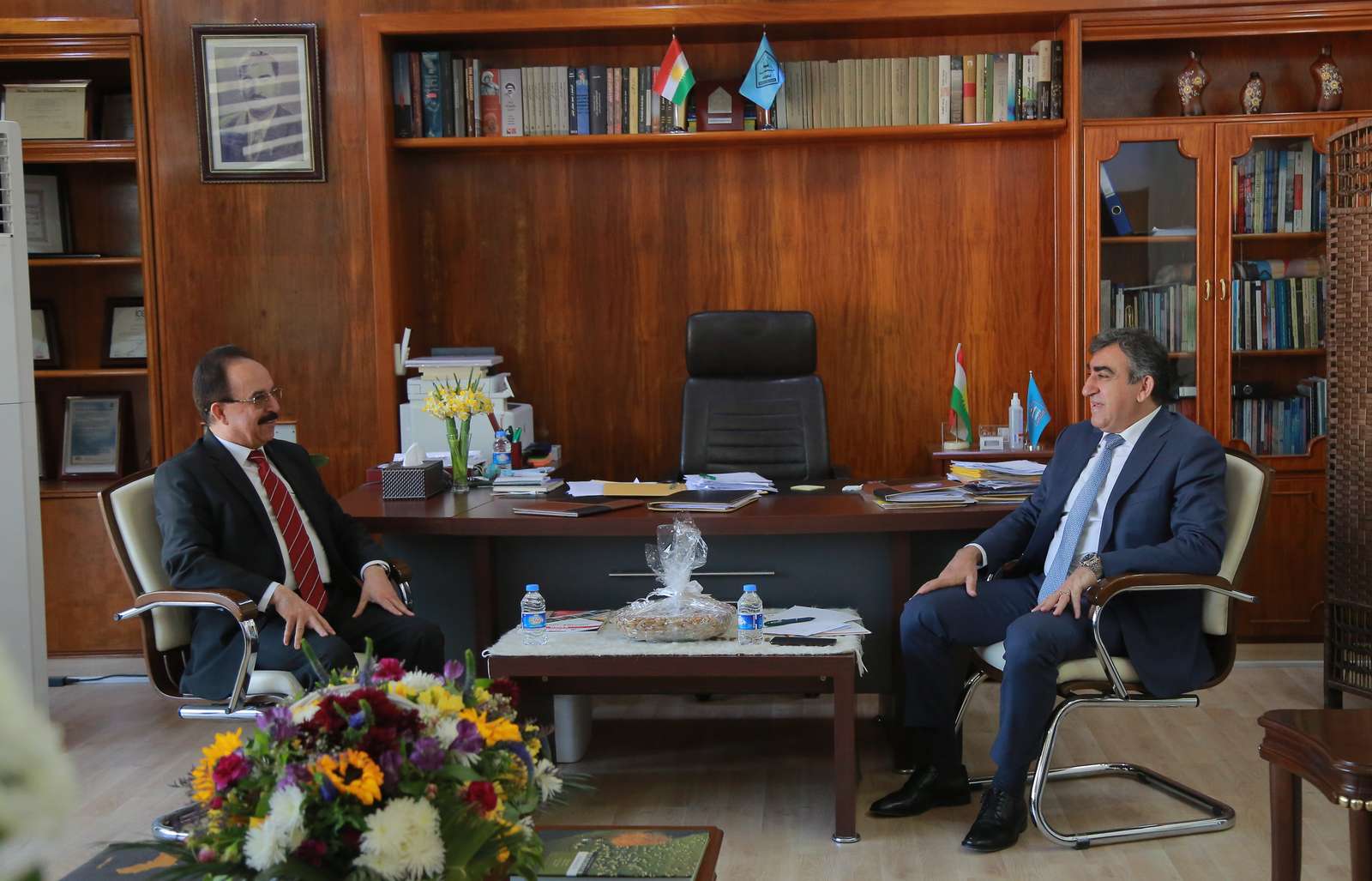
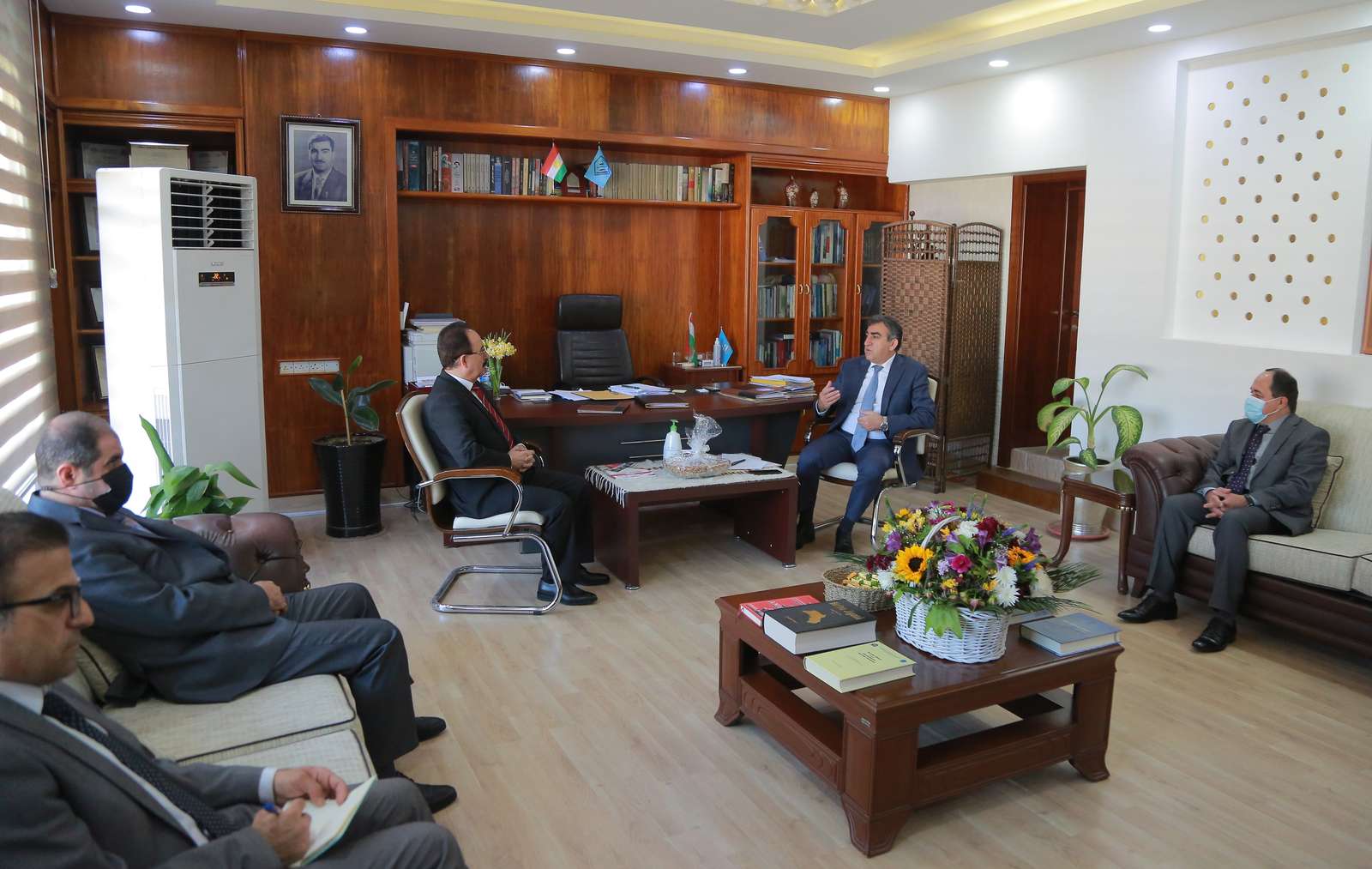
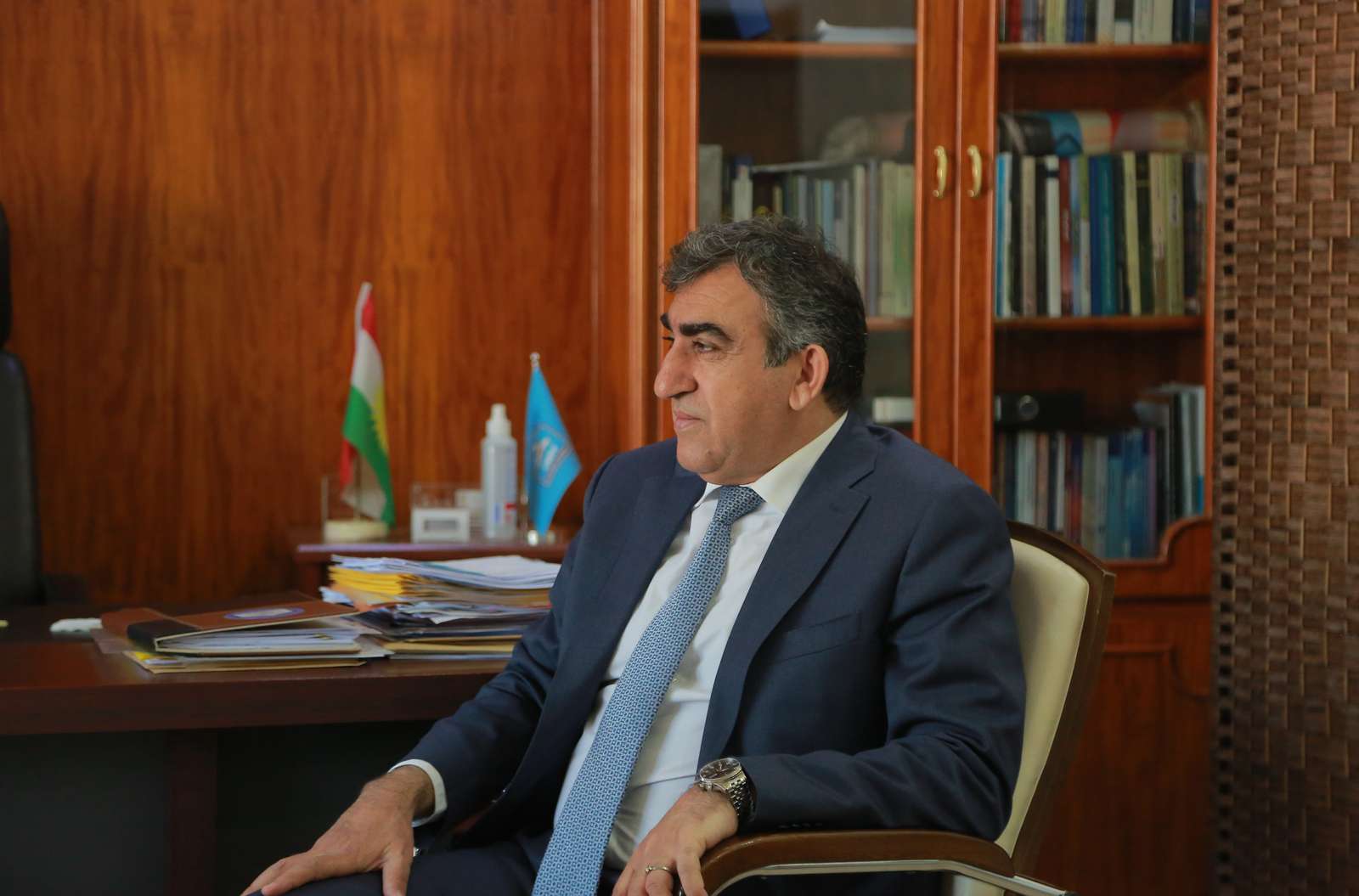
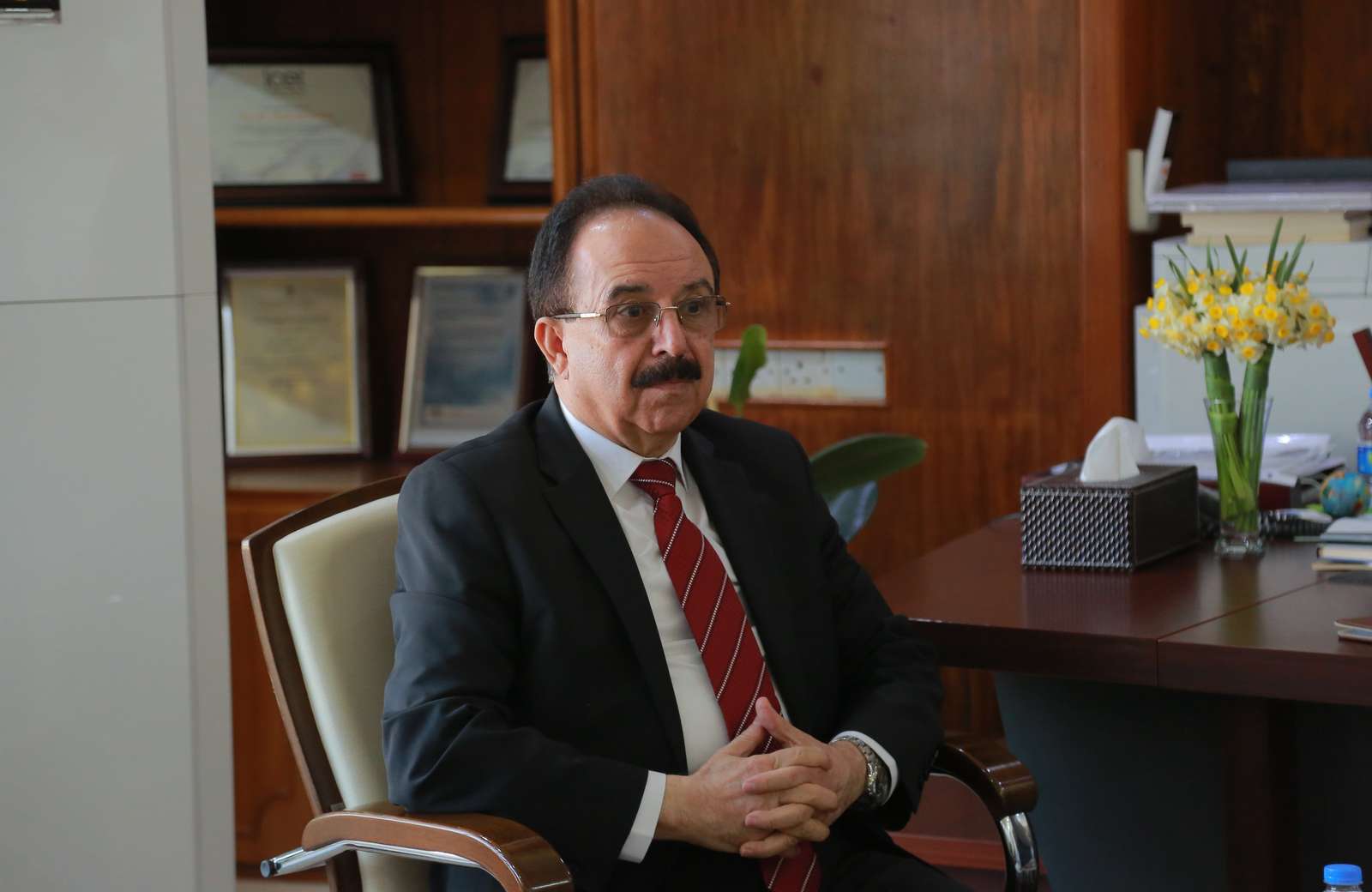
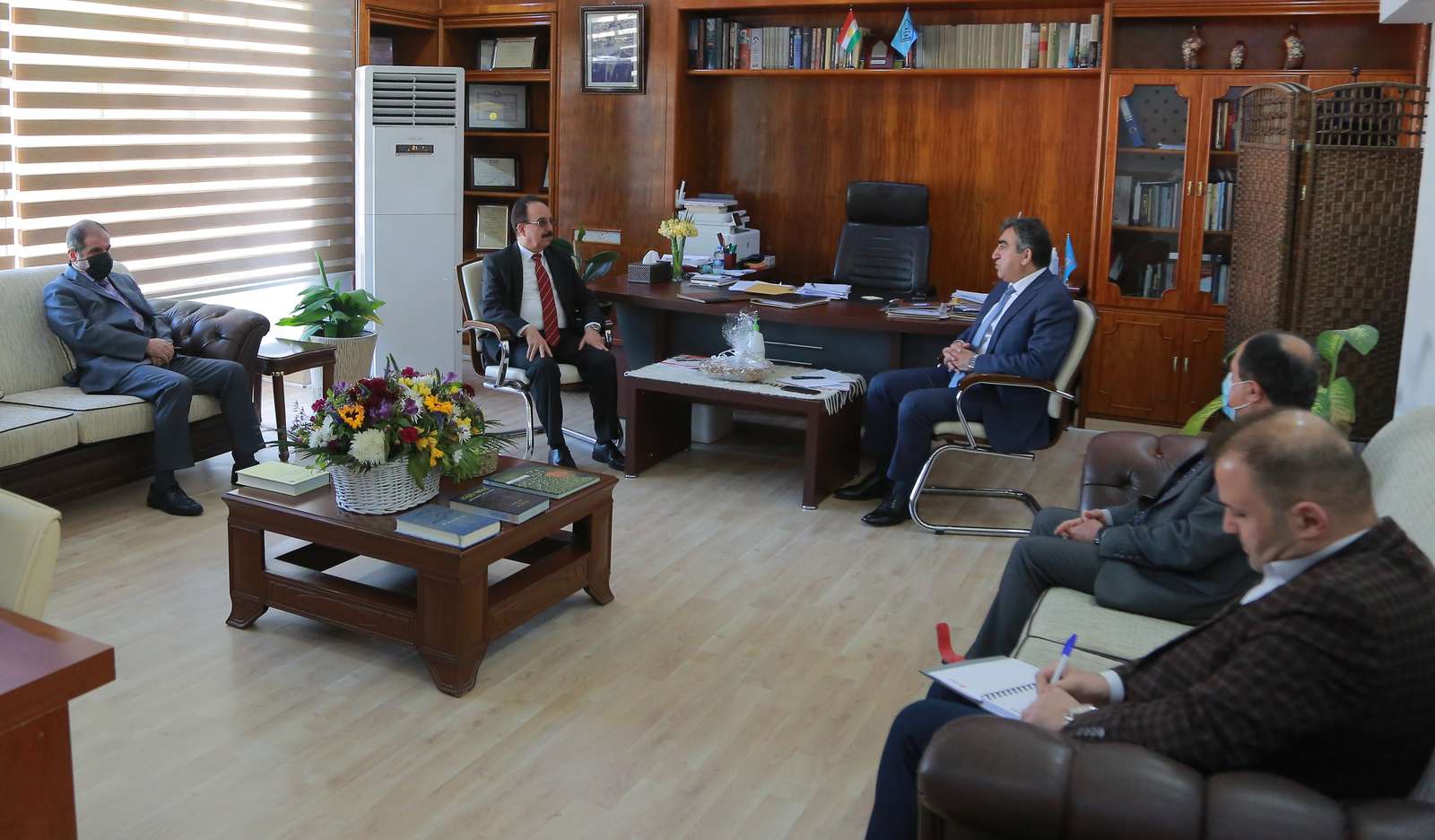
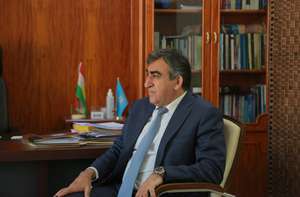
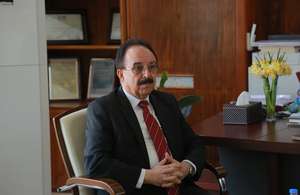
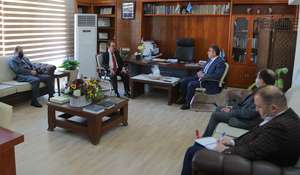
Dr. Dawood Sulaiman Atrushi met with Dr. Nadhim Sulaiman Jakhsi, President of the University of Zakho in his office in the UoD Presidency to discuss a number of mutual projects. The meeting, which was also attended by Dr. Lokman Hadi Hassan, Vice-President for Scientific Affairs and Dr. Ahmed Mohammed Salih, Vice-President for Administrative and Financial Affairs, aimed at strengthening the reciprocal relationships and programs between the two universities.
Referring to the importance of such a collaboration, Dr. Atrushi confirmed that “we complete each other and, hence, we need to strengthen our relations and have more influential meetings in the future. We must correspond better with the job market and community needs through the initiation of more organized and substantia academic departments as well as collaborative scientific researches in both universities.”
Dr. Jakhsi responded by stating that “we are deeply connected to the University of Duhok and consider it the “mother university” that has been, since its establishment, playing a major role in the academic as well as administrative areas. We deem it highly significant to reinforce our relations in the different disciplines so that we both provide better services to the community.”
Similarly, in his statement, Dr. Hassan confirmed the positive impact of the collaborative projects between the two universities. He acknowledged the technological development of the UoD by recounting an experience he had in 1993 at the first establishment of the College of Agricultural Engineering Sciences when it used to have one single computer compared to the current much-better state of the university.
Dr. Salih added that “the two universities will highly benefit through working together in different projects such as establishing and enlarging libraries and students’ enrollment systems which will help providing more efficient and standard technological systems in both universities.”