University of Duhok Organizes a Symposium to Celebrate the International Mother Language Day.
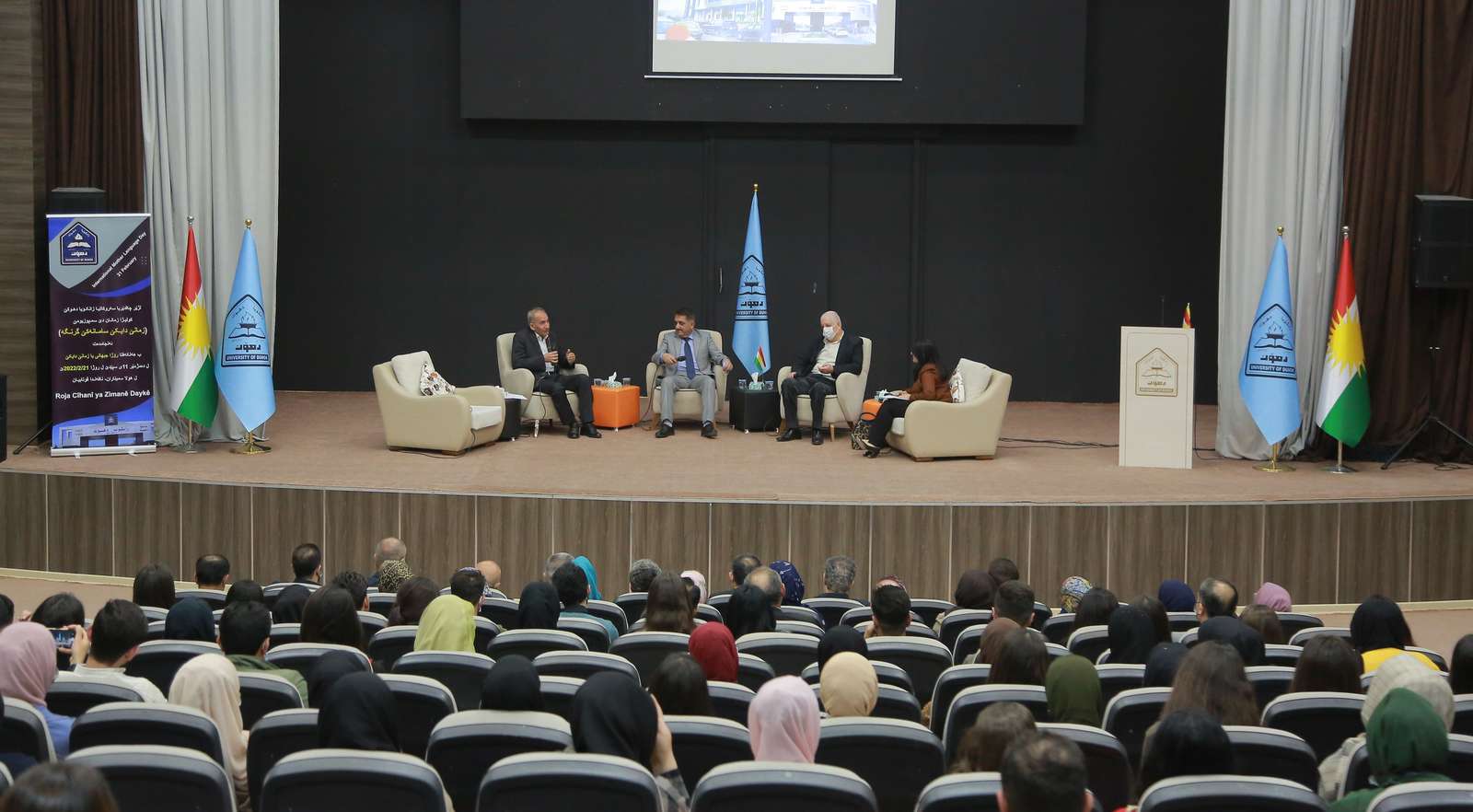
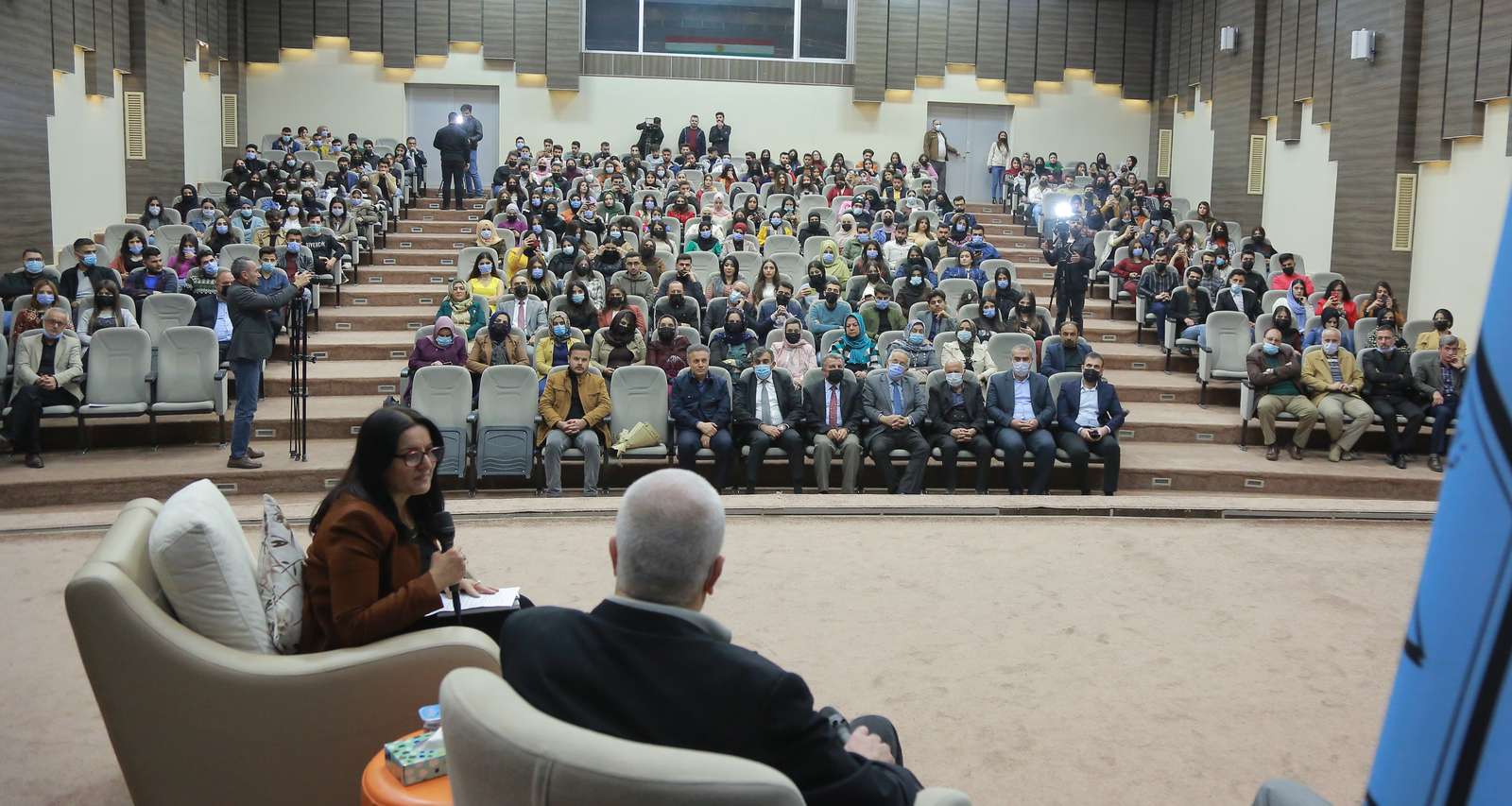
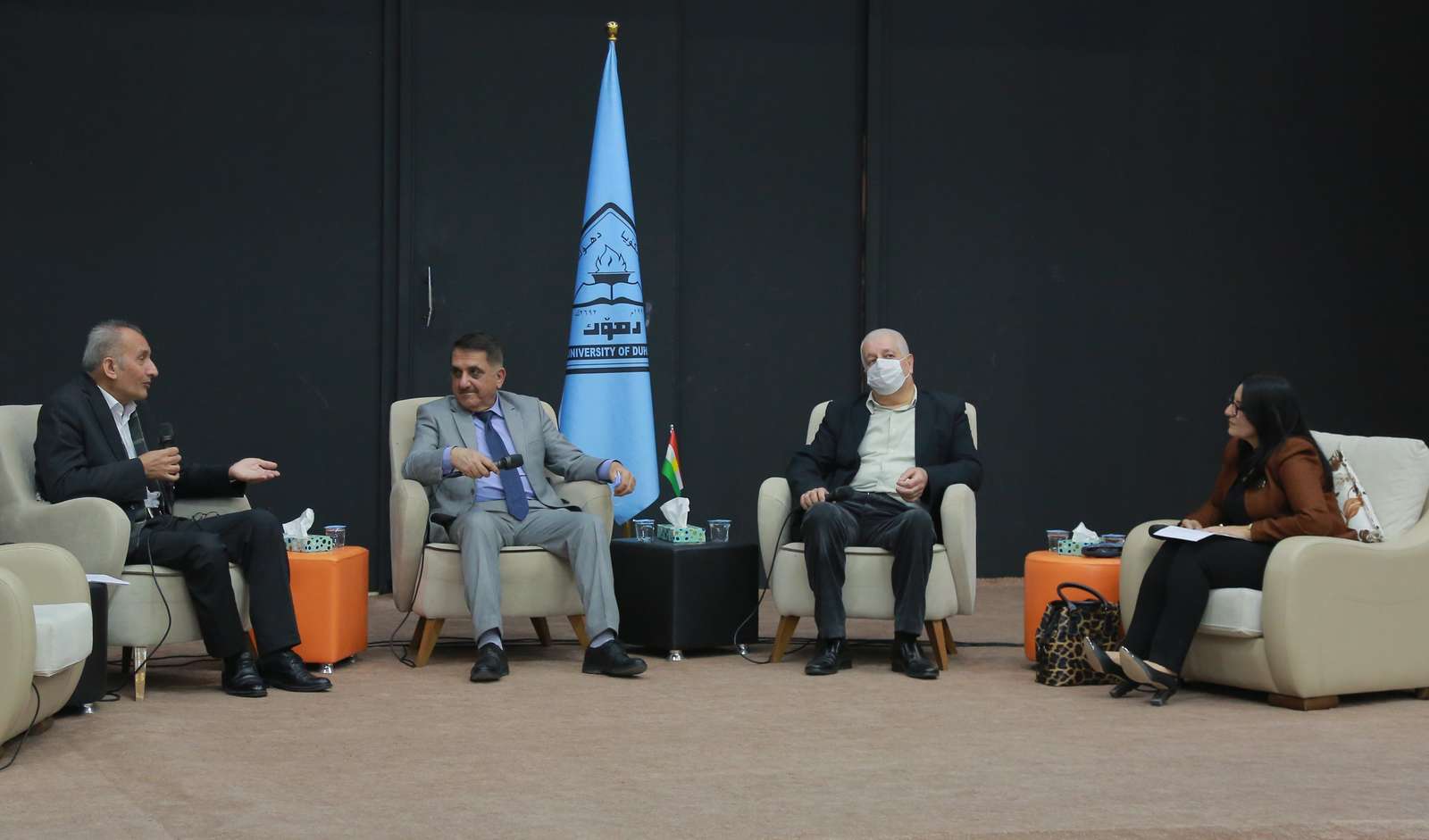
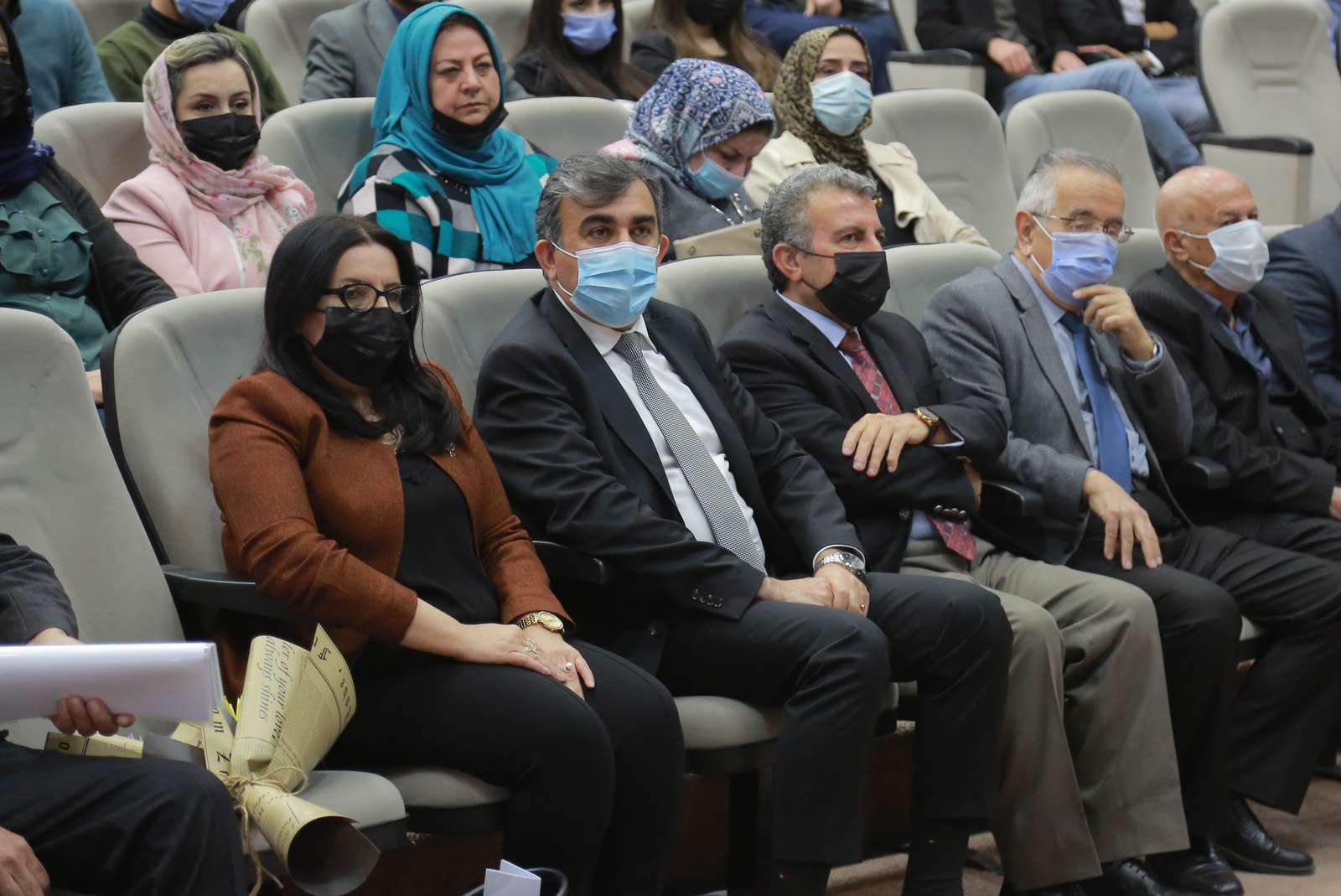
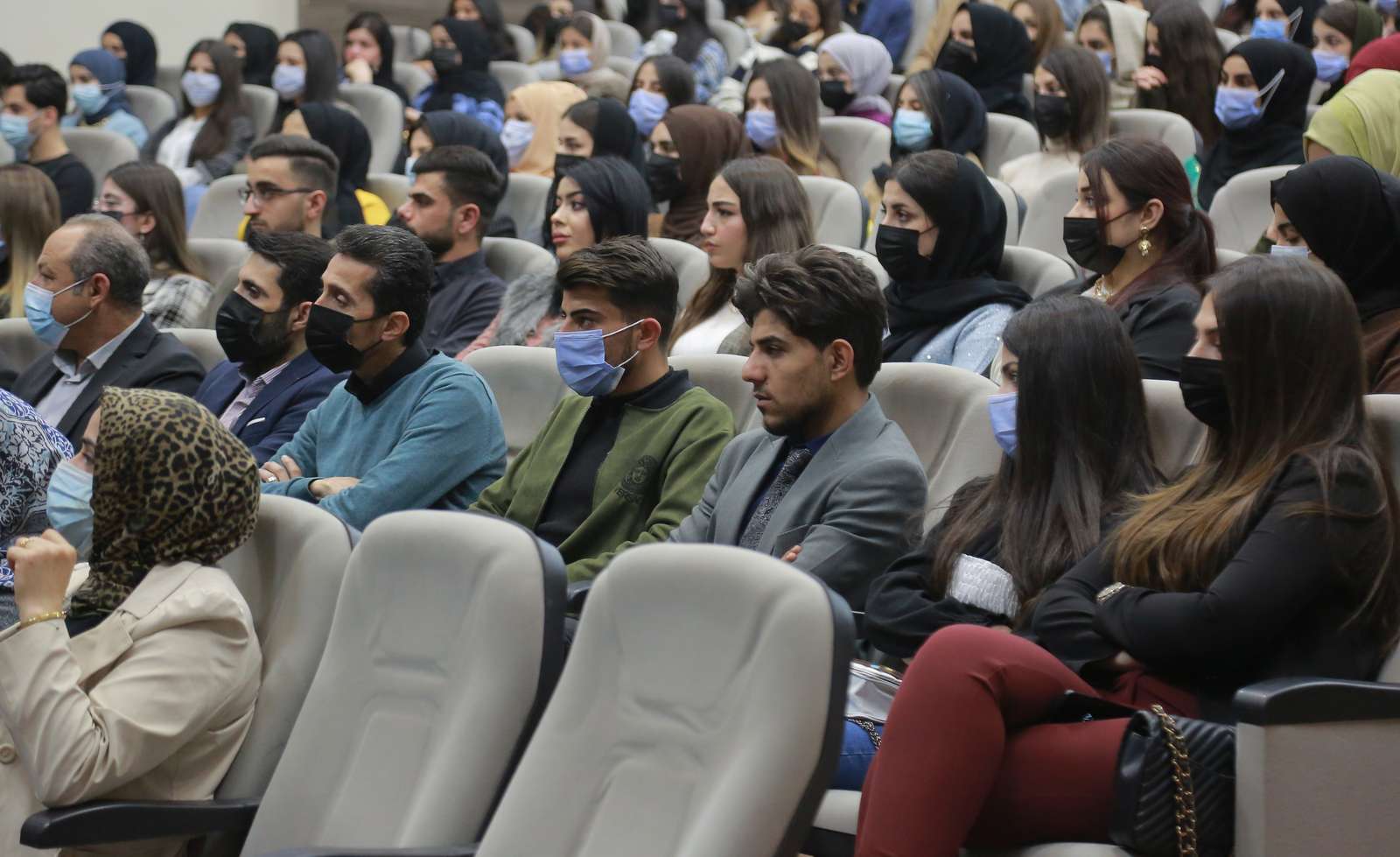
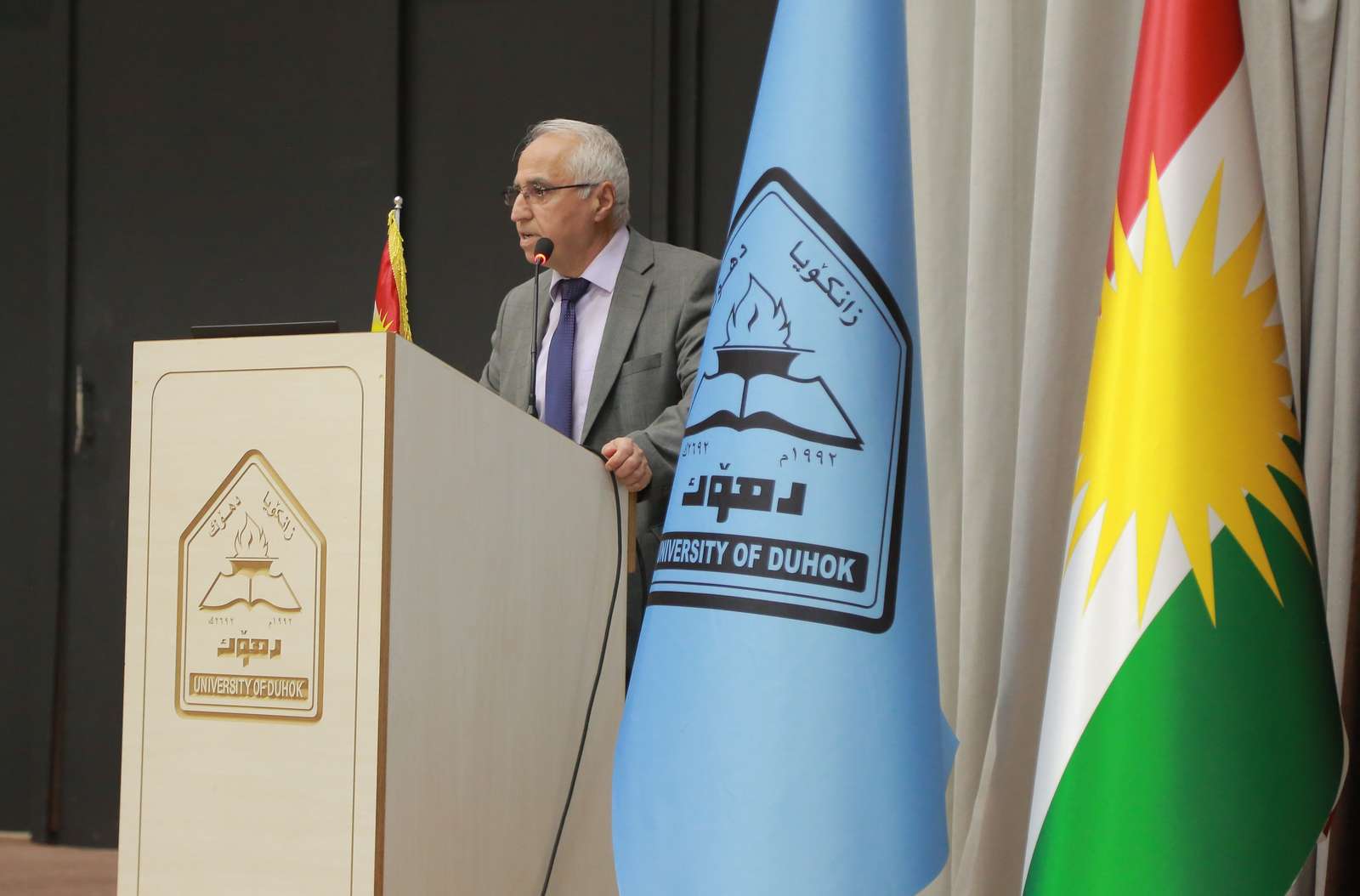
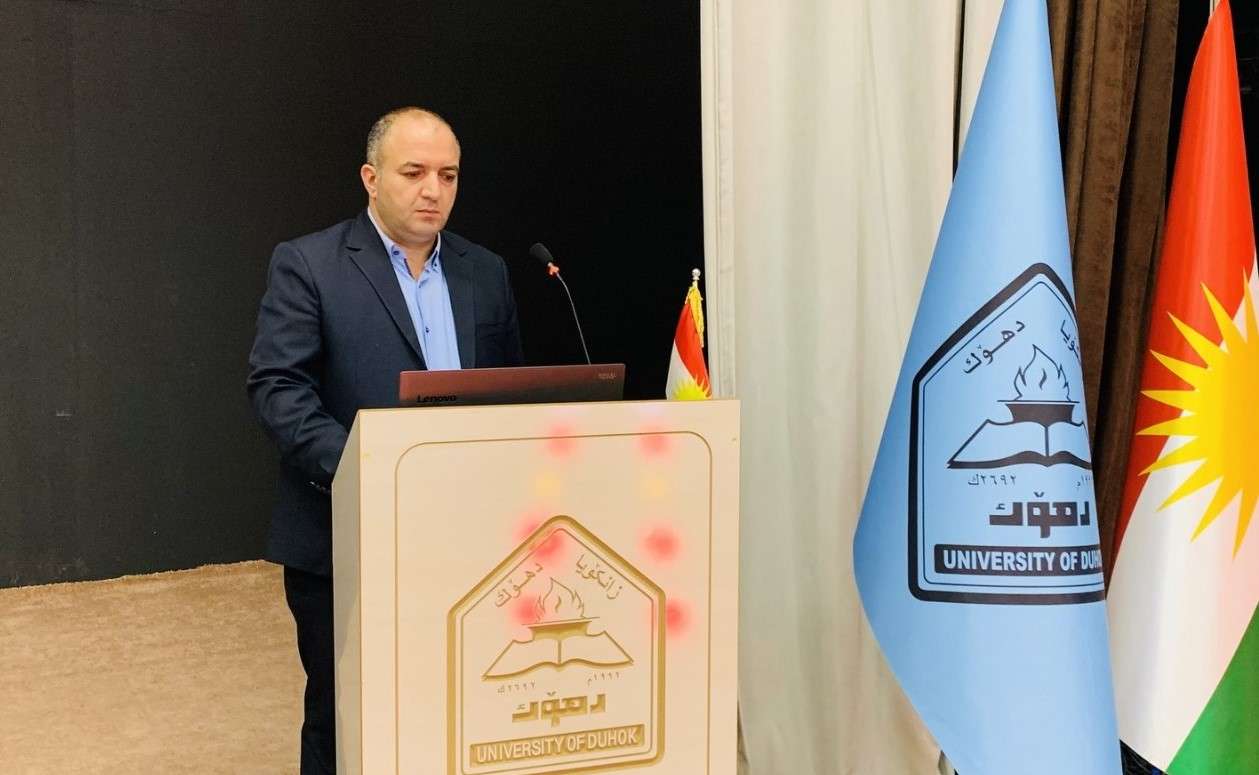
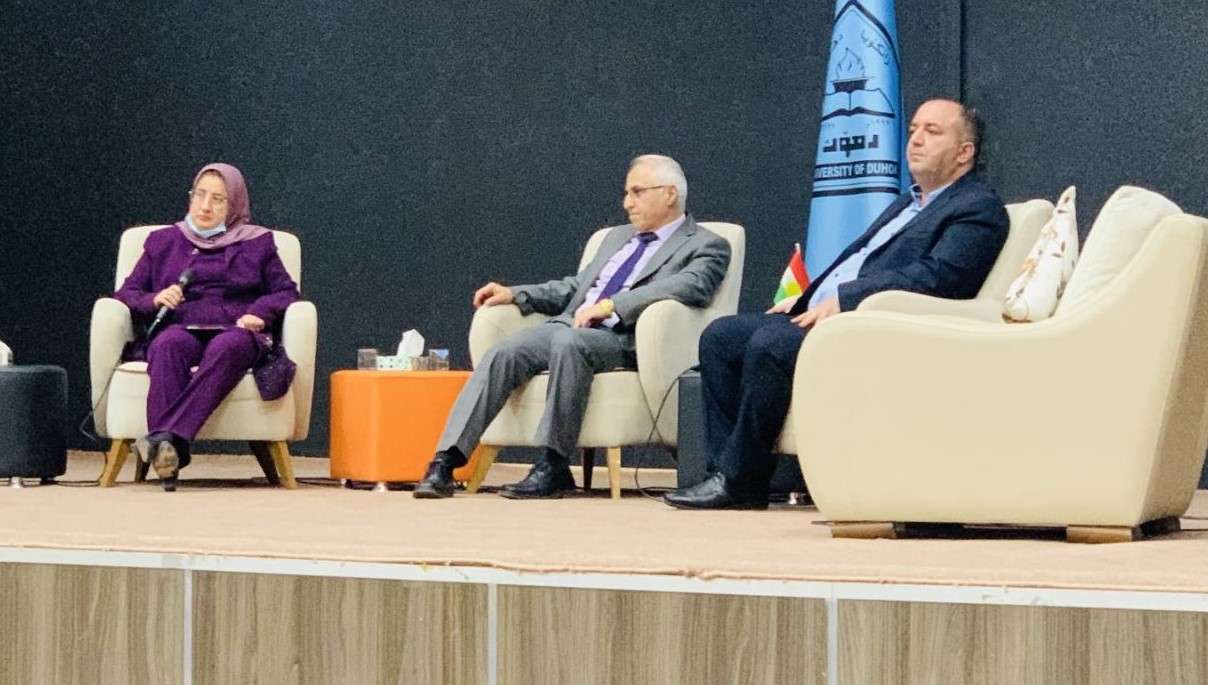
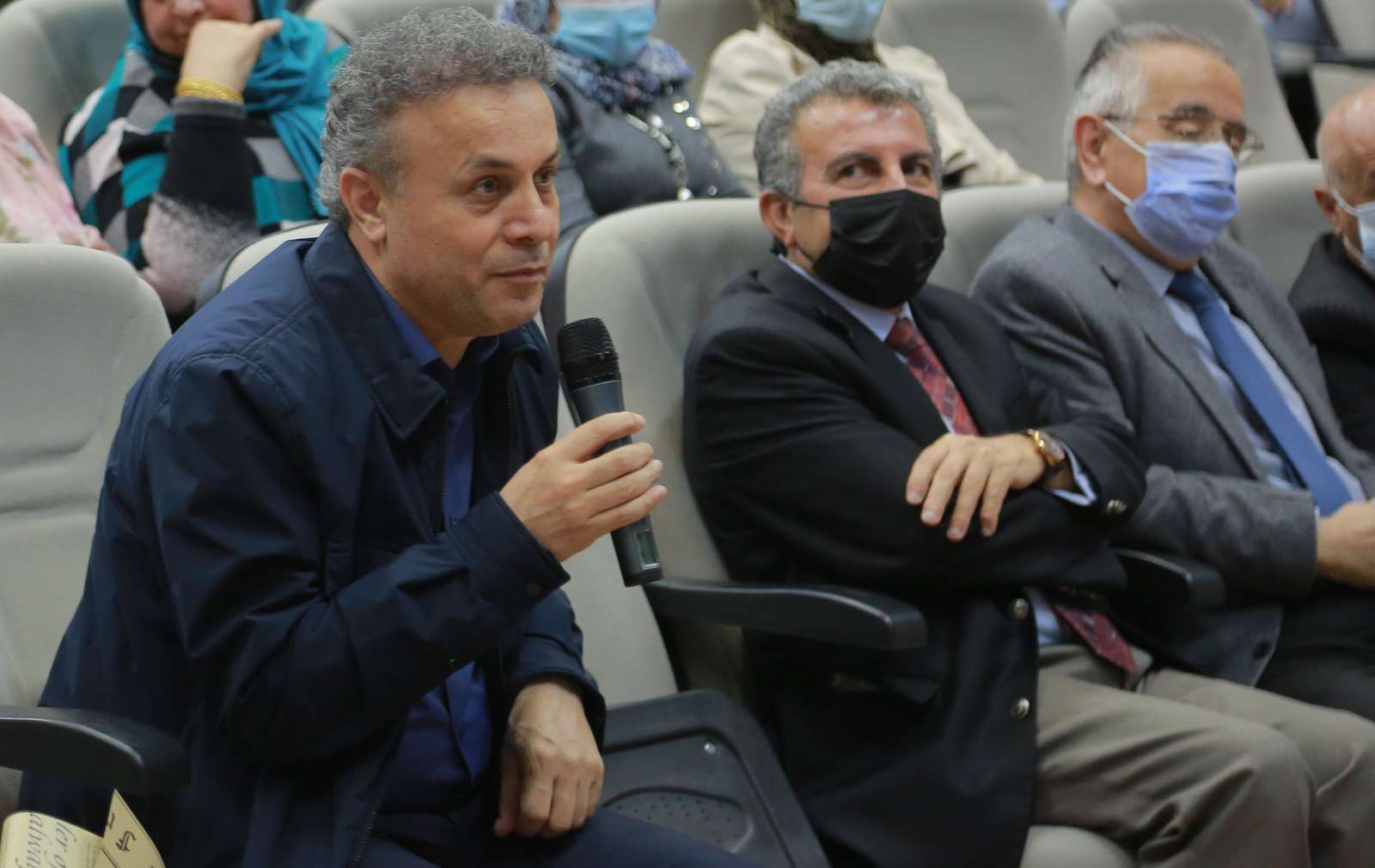
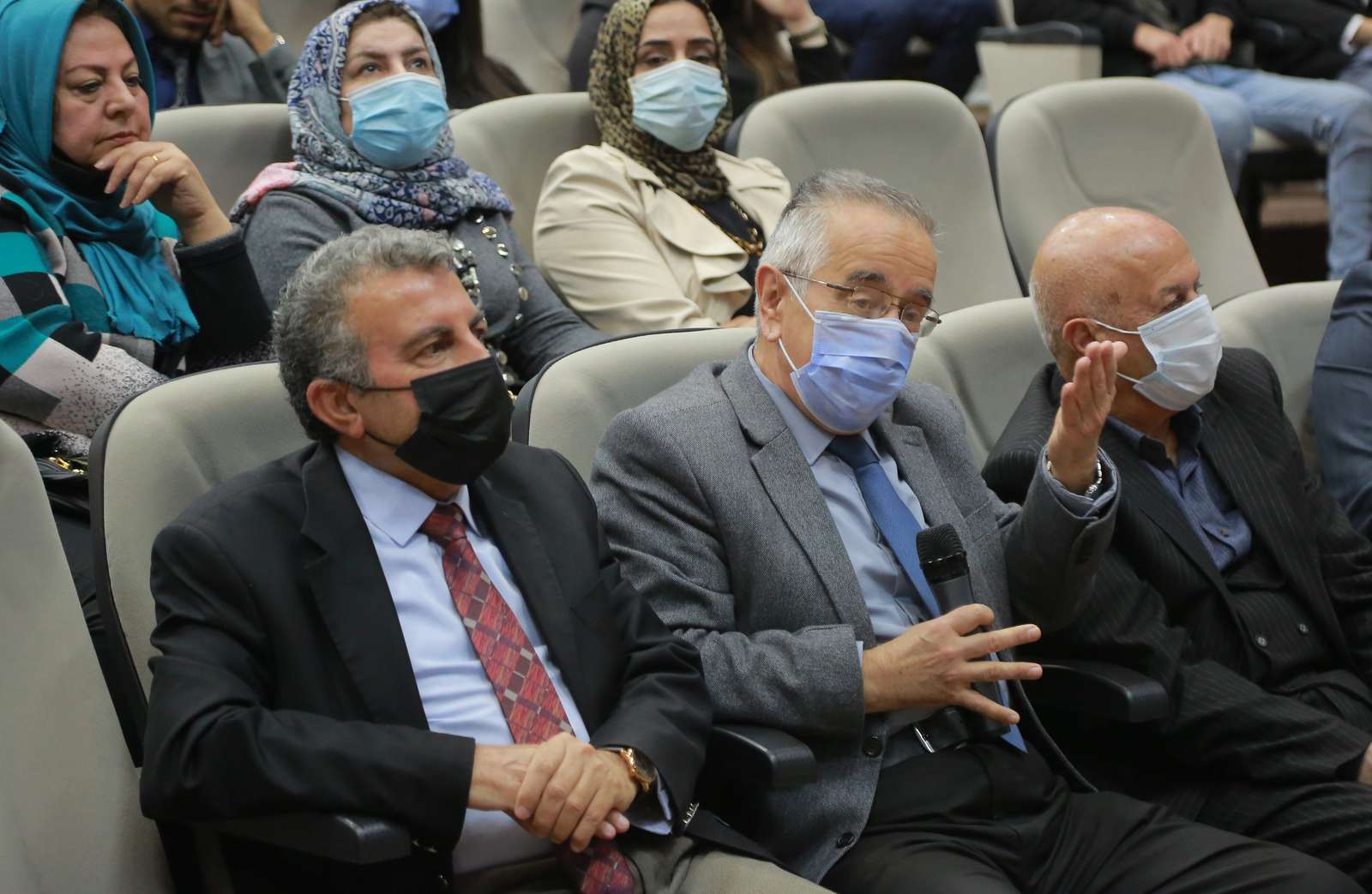
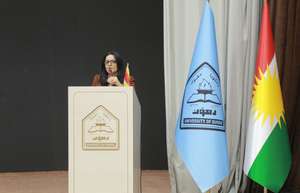
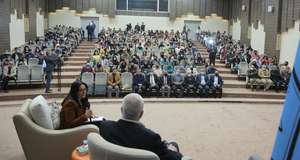
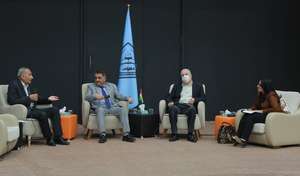
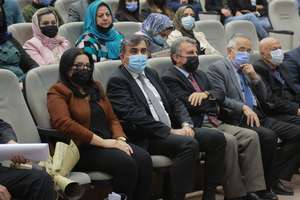
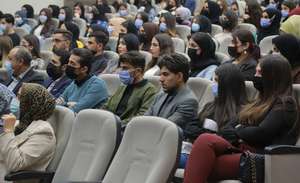
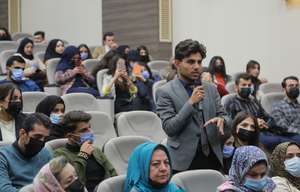
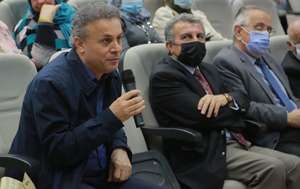
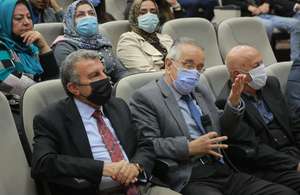
Celebrating the International Mother Language Day, a worldwide annual observance held on 21 February, the College of Languages in the University of Duhok organized a symposium in the Khalafe Zebari Hall in the Student Center to promote awareness of Kurdish language and issues such as linguistic and cultural diversity especially in Bahdinan. The symposium comprised two panels presented by five participants.
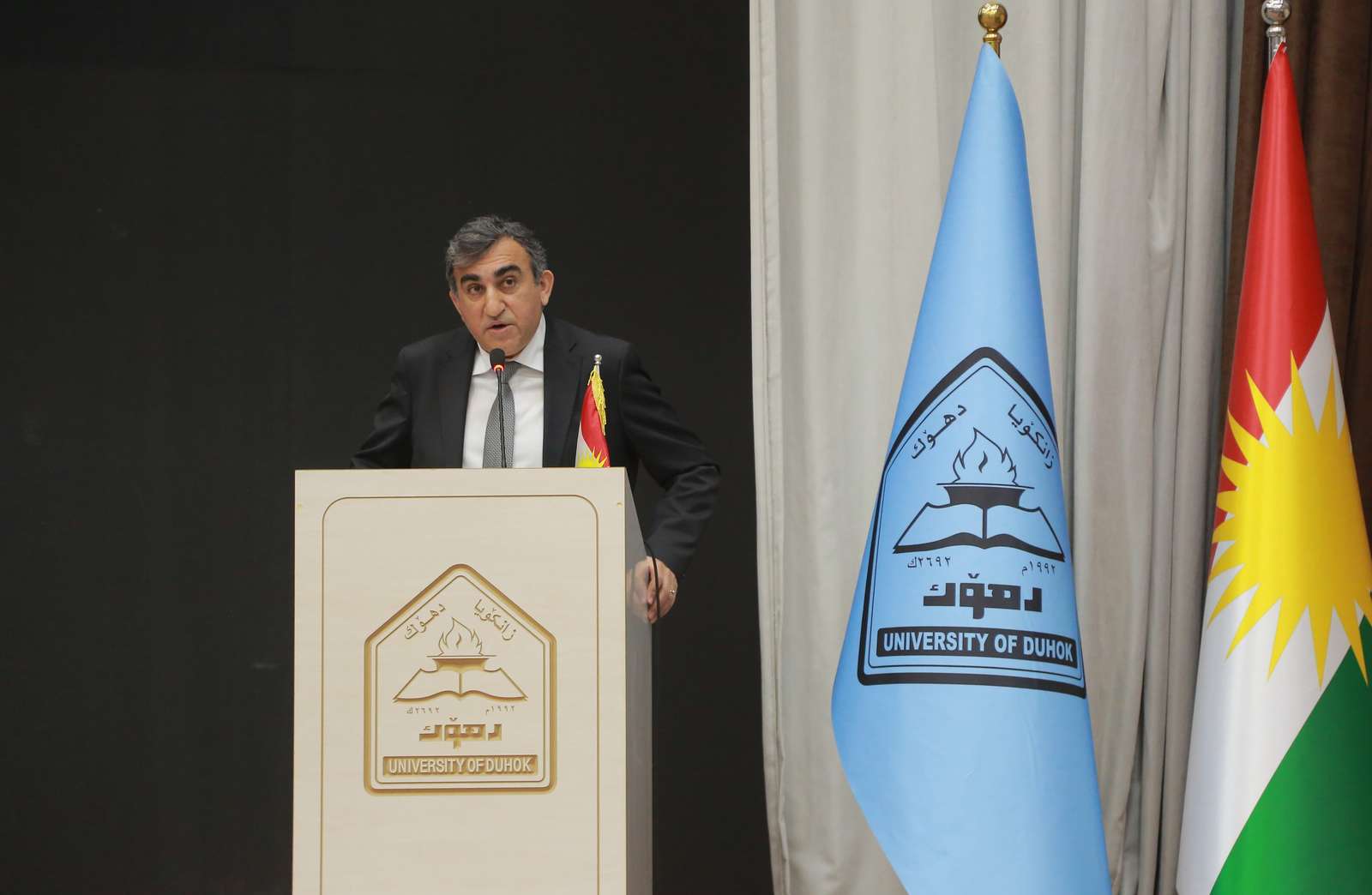
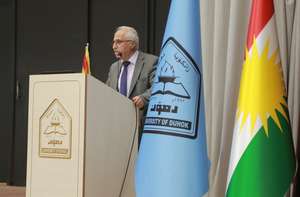
In his opening speech to the symposium attendees, Dr. Dawood Atrushi, the UoD President, expressed his wishes for this day “to become a starting point for a more substantial attention to the Kurdish language and its speakers who have kept Kurdish alive despite all acts of discrimination and oppression. Dr. Atrushi added that “the standardization of the Kurdish script and lexicon is very urgent and the UoD’s new plan and vision takes this issue very seriously. Hence, in the UoD, we have four departments of Kurdish language that we encourage to work hard towards this aim.”
In his speech, the UoD President further referred to the seriousness of this day for the Kurds indicating that “the attention paid by our Kurdish Departments and Centers and their effort in the areas of Kurdish studies and research clearly indicate that Kurdish can no longer be exposed to processes of linguicide and elimination. The act of reviving and protecting Kurdish language is also undertaken today by notable scholars and academics working diligently to keep our language away from all sorts of danger.”
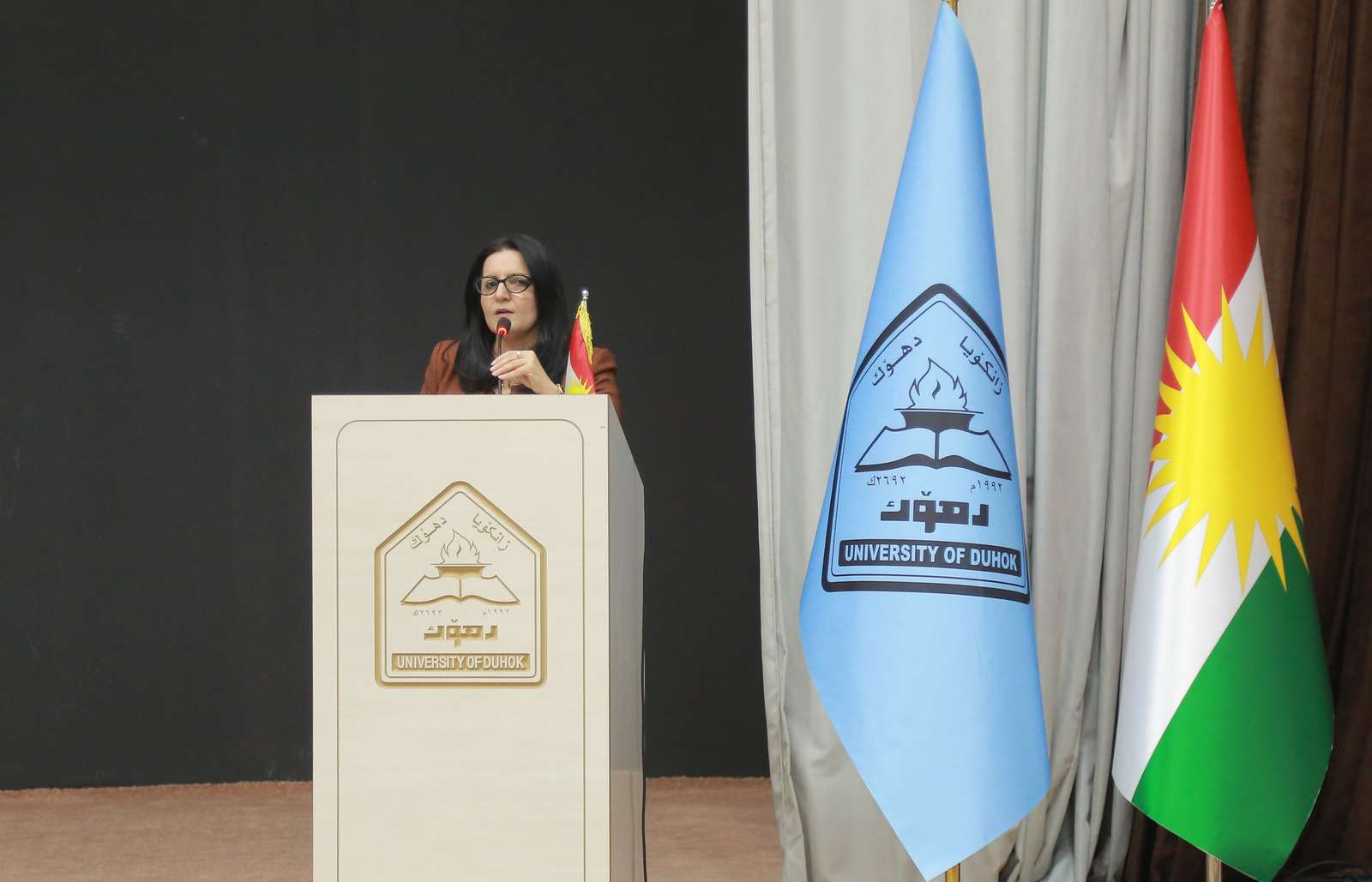
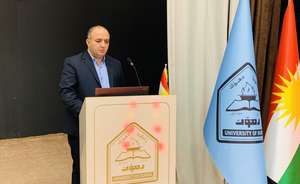
Talking about the necessity of acknowledging the International Mother Language Day, in her word, Dr. Nafeesa Ismail, the Dean of the College of Languages, explained that “language is not only a medium for communication, but rather a form of identity and protector of historical and cultural values.”
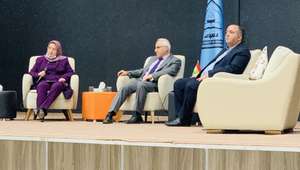
In the first panel presented by Dr. Fazil Omer, Dr. Baiz Omeri, and Dr. Mohammed Salih Barwari and moderated by Dr. Ismail, a number of questions were raised mostly in relation to Bahdinan. Dr, Fazil Omer asserted that mother language should be given more consideration in the educational contexts as well as within the community. He also pointed out the importance of developing a solid language policy in Kurdistan in order to protect and organize its usage.
Similarly, Dr. Baiz Omeri explained that we should keep on working on the development and reinvigoration of Kurdish and look for mechanisms to standardize it: “There are two methods to standardize Kurdish: First, a dialect needs to be selected, necessary analysis of its different linguistic levels should be conducted, and then decisions should made about making it a standard language. Second, the government should take decisive actions as to the selection of a dialect and publicize it.”
In his presentation, Dr. Barwari paid a close attention to the importance of multilingualism and its positive impact on the mother language: “If we can speak a language beside the mother language, then we have the opportunity not only to translate from that language, but also to study other languages, cultures and histories which will inevitably strengthen our mother language.” He further confirmed that “children need to learn Kurdish first and then be educated in other languages otherwise their language acquisition will be affected negatively.”
Moderated by Dr. Haveen Mohammed, the second panel comprised two presentations; one by Dr. Izzuddin Rajab about language plan and policy and one by Mr. Ahmad Mohammed who focused on the social role of the mother language in Kurdistan.
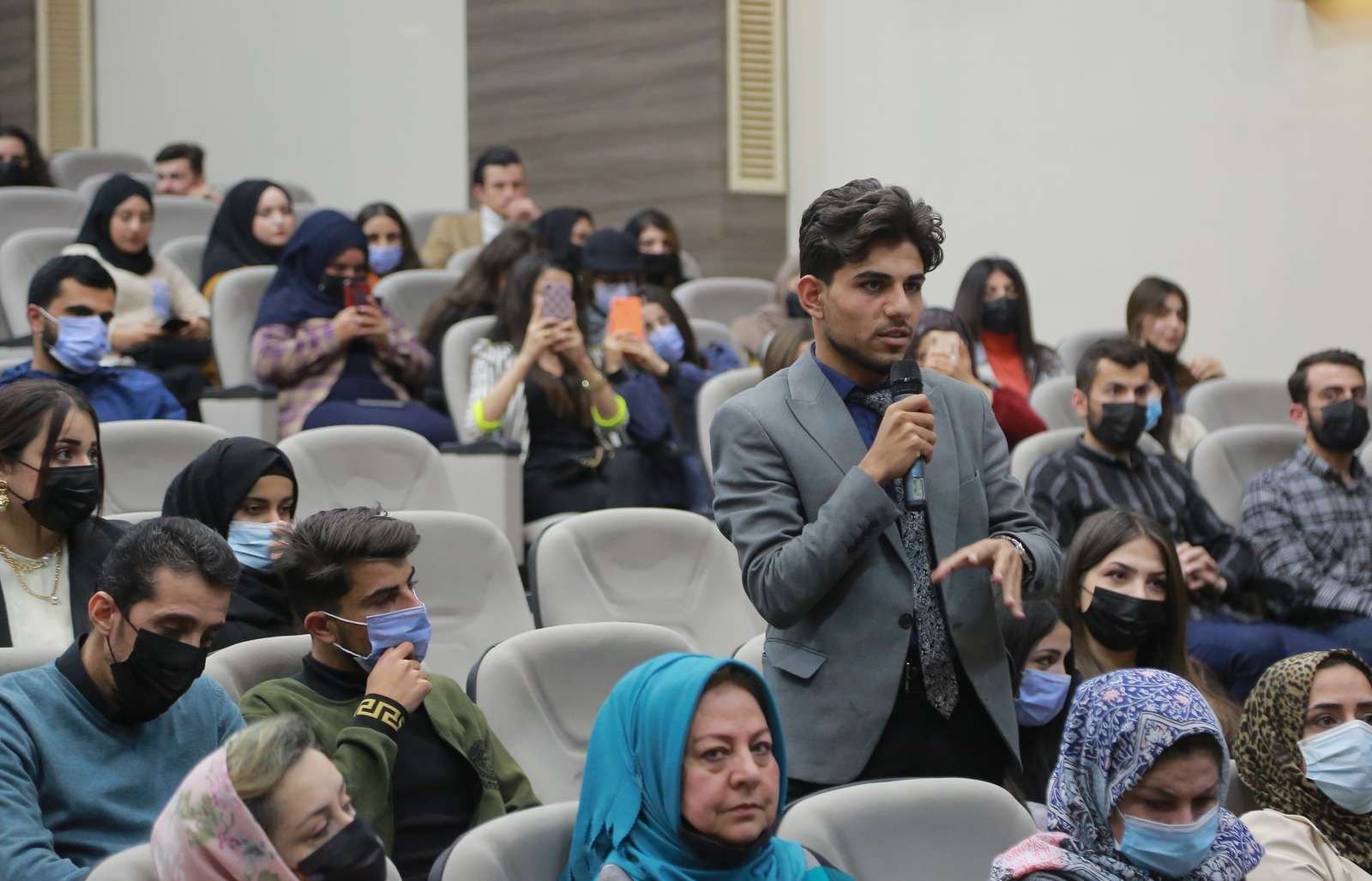
Discussing the significance of language policy and planning, Dr. Rajab showed the role of the government in the process of language standardization: “language should have its own policy that needs to correspond to the plan and strategies of education.” In a related manner, Mr. Mohammed highlighted the main factors behind the birth and death of languages: “Every 14 days, a language dies in some part of the world. These languages are usually the ones that no work and no research have been done on.” At the end of the symposium, further questions were raised by the attendees and an argument regarding the topics presented was articulated.
It is worth to mention that the International Mother Language Day is a worldwide annual observance held on 21 February to promote awareness of linguistic and cultural diversity and to promote multilingualism. First announced by UNESCO on 17 November 1999, it was formally recognized by the United Nations General Assembly. In Kurdistan, this day is acknowledged every year as a means by which Kurdish language is maintained and promoted. The UoD deemed it important to honor this day through holding the symposium.