
Groundbreaking UoD Research Explores Art Therapy’s Impact on Children with Autism Spectrum Disorder
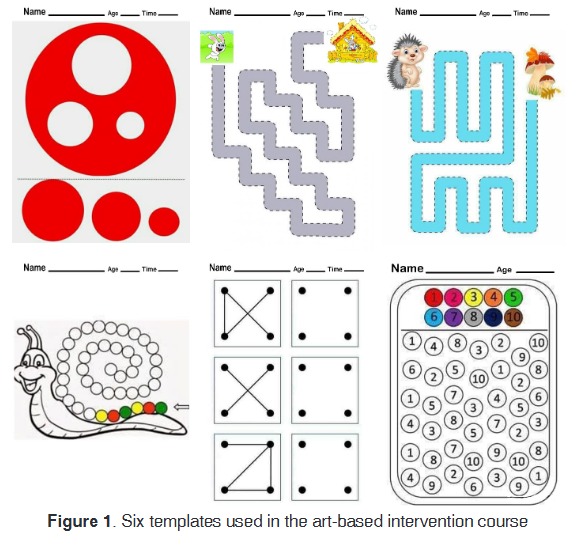
Innovative Study Led by UoD Scholar Investigates the Role of Art in Enhancing Attention in Children with ASD
In a pioneering study published in the Paediatrica Indonesiana, Dr. Deldar Morad Abdulah, a researcher from the College of Nursing, University of Duhok (UoD), leads an international research effort exploring the effectiveness of short, intensive, art-based interventions in improving attention levels among children with Autism Spectrum Disorder (ASD). This study, co-authored with Bayar Mohammed Omar Abdulla (Ministry of Education, Duhok) and Pranee Liamputtong (Vin University, Vietnam), represents a significant advancement in alternative therapeutic approaches for ASD, particularly in regions where traditional therapy access is limited.
🔗 Read the Full Study: DOI: 10.14238/pi64.4.2024.339-49
Addressing a Growing Global Health Concern
Autism Spectrum Disorder (ASD) is rising globally, with particularly high rates in the Middle East and North Africa. Children with ASD often struggle with social interaction, communication, and attention regulation, making it crucial to explore non-verbal, creative therapeutic approaches. This study is among the first in the Kurdistan Region to systematically assess the impact of art-based interventions on cognitive and behavioral outcomes in ASD children.
Key Findings from the Research
The study employed a pre- and post-experimental approach where children diagnosed with moderate to severe ASD participated in a one-month structured art-based therapy program. The intervention was conducted at the Mental Health Center in Duhok City, which specializes in treating psychiatric disorders among children.
🔍 Research Highlights:
- Therapeutic Approach – The study assessed attention switching and attention to detail using a structured, art-focused group intervention involving drawing, coloring, and shape recognition.
- Demographic Insights – Participants (ages 5-11 years) included 83.3% males and 16.7% females, aligning with global trends showing higher ASD prevalence among boys.
- Findings & Challenges –
- No significant improvement was found in overall Autism Spectrum Quotient (AQ-Child) scores, attention switching, or communication.
- Surprisingly, imagination scores worsened after the intervention, possibly due to small sample size or session absences.
- Despite the results, previous research supports the effectiveness of art therapy in enhancing cognitive flexibility and emotional regulation.
- Global Context – The study aligns with international efforts exploring alternative therapies for neurodevelopmental disorders, reinforcing the importance of integrating creative therapies alongside traditional medical interventions.
Strategic Alignment with UoD’s Research Vision
This research supports UoD’s commitment to advancing healthcare innovation and interdisciplinary research, as outlined in its Strategic Plan 2023–2038. By addressing pressing societal health challenges through scientific inquiry and global collaboration, UoD continues to position itself as a leader in autism research in the region.
- Supporting Special Needs Research – This study emphasizes UoD’s focus on mental health and neurodevelopmental disorders, aligning with its public health and social responsibility goals.
- Strengthening Research Infrastructure – The research highlights the Mental Health Center in Duhok as a regional hub for ASD therapy and research, paving the way for future studies with larger sample sizes and longer intervention periods.
- Encouraging International Collaboration – This study underscores the importance of cross-institutional partnerships, showcasing UoD’s engagement with international experts in health sciences and psychology.
Implications for Future Research & Clinical Practice
- Enhancing Therapeutic Interventions – Future studies should incorporate longer intervention periods, involve trained art therapists, and explore more diverse artistic activities to optimize results.
- Parental Engagement – The research emphasizes the need for greater parental involvement in therapy sessions, ensuring better adherence and continuity of interventions at home.
- Expanding the Scope – Larger, controlled studies are essential to validate these findings and refine best practices for integrating art-based therapy into ASD treatment programs.
Call for Collaboration and Funding
UoD invites researchers, funding organizations, and healthcare institutions to support and expand autism research in Iraq and the Kurdistan Region. With rising ASD rates, there is an urgent need to develop and refine innovative, culturally relevant interventions that can be scaled and implemented across different communities.
- Are you interested in collaborating on ASD research or supporting healthcare innovation in Kurdistan?
- Connect with UoD’s Deanship of Research & Innovation (DRIN) for research partnerships and funding opportunities.
Conclusion: UoD’s Leadership in Autism Research
This study marks a significant step forward in exploring the role of creative therapies in ASD treatment, reinforcing UoD’s commitment to high-impact research and societal well-being. By integrating evidence-based approaches with innovative therapeutic methods, UoD continues to drive scientific discovery and healthcare transformation.
Join us in shaping the future of autism research and improving the lives of children with ASD.
- Access the Full Study Here: DOI: 10.14238/pi64.4.2024.339-49
- Contact Us: Learn more about UoD’s research initiatives at UoD’s Deanship of Research & Innovation (DRIN).
📢 Keywords
🔹 Autism Spectrum Disorder Research in Kurdistan
🔹 Art Therapy for ASD Children
🔹 Neurodevelopmental Disorders and Attention Therapy
🔹 Alternative Therapeutic Interventions in Iraq
🔹 University of Duhok Mental Health Research
📍 University of Duhok Press Office | July 2024