
د. كەریم نەجار: "پێدڤیە د پلانسازیا شارسازی یا كوردستانێ دا، رەسەناتیا باژێڕێن مە بهێتە پاراستن"
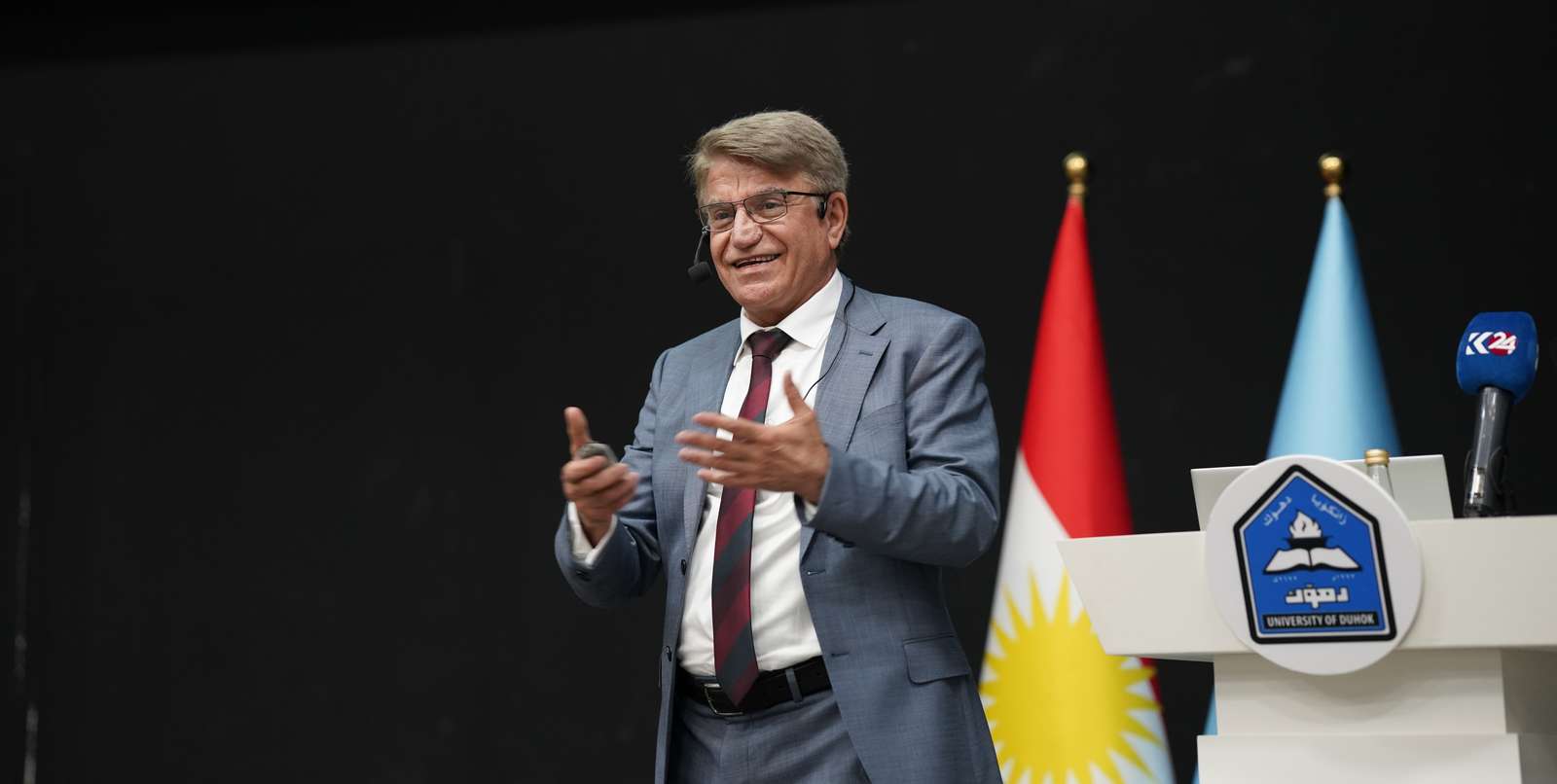
د سمینارەكا ناڤدەولەتی دا ل كۆلیژا پلانسازیا شار و هەرێمان، سەرۆكێ زانكۆیا دهۆك
دیاركر: "بۆ باشتركرنا كوالیتیا باژێڕان، پێدڤیە خۆشگوزەرانیا مرۆڤی سەنتەرێ
ئاڤەدانكرنێ بیت."
زانكۆیا دهۆك – 6ـی تیرمەها 2026 | نڤیسینگەها راگەهاندنا زانكۆیێ (UNPO) – كۆلیژا پلانسازیا شار و هەرێمان (CCRP) ل زانكۆیا دهۆك (UOD)، سمینارەكا ناڤدەولەتی ب ناڤونیشانێ "ئاڤاكرنا پاشەڕۆژا كوردستانێ: وانە ژ سوید ل دۆر پلانسازیا ل سەر بنەمایێ مرۆڤی، بۆماوەیێ كەلتۆری، و كوالیتیا شارسازی" ل هۆلا پێشمەرگە (ناڤەندا قوتابیان) سازكر. ئەڤ چالاكیە بوو جهێ كۆمبوونا سەركردەیێن زانكۆیێ، بەرپرسێن حكومی، شارەزایێن پلاندانانێ، ڤەكۆلەر، مامۆستا و قوتابیان بۆ گەنگەشەكرنا نێزیكبوونێن داهێنەرانە بۆ گەشەپێدانا شارسازی یا دۆمدار ب ئیلهام وەرگرتن ژ ئەزموونا سوید د بوارێ پلاندانانێ دا.
ئەڤ سمینارە ب ئامادەبوونا د. داوود سلێمان ئەتروشی، سەرۆكێ زانكۆیا دهۆك و راگرێ
كۆلیژێ ب وەكالەت، د. ئازاد نەجار، رێڤەبەرێ جێبەجێكار یێ پەیمانگەها داهێنان و نویگەری یا كوردستان (KII)، د. لەیلا محەمەد رەسوول، راگرا بەرێ یا كۆلیژێ، د. بێكەس جەمالەدین حەسەن، رێڤەبەرێ رێڤەبەریا شوینوار و كەلەپۆری ل دهۆكێ، و بەرێز عەلی ئەمیر، رێڤەبەرێ پلاندانانا شارسازی ل پارێزگەها دهۆكێ، و ل گەل نوینەرێن دامەزراوەیێن حكومی، رێكخراوێن نەحكومی، ئەندازیارێن تەلارسازی و شارسازی، و قوتابیان برێڤەچوو.
د دەستپێكا سمینارێ دا، د. داوود سلێمان ئەتروشی بخێرهاتنا پشكداربوویان كر و تیشك ئێخستە سەر رۆلێ گرنگ یێ پلاندانانا باژێڕان بۆ رێگریكرن ل بەرفرەهبوونا هەرەمەكی و باشتركرنا كوالیتیا باژێڕان. وی تەكەز كر كو ئاڤەدانكرنا كوردستانێ ب تنێ كارەكێ
تەكنیكی نینە، بەلكو بەرپرسیارەتیەكا جڤاكی یە، كو پێدڤیە خۆشگوزەرانیا مرۆڤی سەنتەرێ
پرۆسەیا ئاڤەدانكرنێ بیت. هەروەسا رۆلێ قوتابیان و هەڤپشكیێن ئەكادیمی یێن
ناڤدەولەتی وەكو پێكهاتەیەكێ بنەڕەتی بۆ دارێژتنا پاشەڕۆژا باژێڕێن دۆمدار وەسف كر.
ئەڤ سمینارە ب دەستپێشخەریەكا د. شیرین یونس ئیسماعیل، سەرۆكا پشكا پلانسازیا باژێڕان هاتبوو رێكخستن، و ژ لایێ د. كەریم نەجار، تەلارساز و پسپۆرێ پلانسازیا
شارسازی، دیزاینەرێ رووناكیێ، و مامۆستا ل زانكۆیا كارلستاد ل سوید ڤە هاتە پێشكێشكرن، كو ڤەكۆلینێن وی ل سەر پلاندانانا باژێڕان، تەكنۆلۆژیا، ساخلەمی و گەشەپێدانا دۆمدار دچنە د چارچۆڤەیەكی دا.
پێدڤیە باژێڕ ناسنامەیا خۆ بپارێزن ب مفا وەرگرتن ژ ئەزمۆنا سوید، د. كەریم نەجار
تەكەز كر كو دڤێت رەسەناتیا باژێڕێن كوردستانێ دگەل وەرگرتنا هەڤچەرخیێ بهێتە پاراستن. وی رۆهن كر كو پلاندانانا شارسازی نابیت ب تنێ ل سەر بنەمایێ پیڤەرێن
تەكنیكی و بابەتی بیت، بەلكو دڤێت ئەزمۆنێن خەلكی، كارلێكێن جڤاكی و كوالیتیا
ژیانێ ژی ل بەر چاڤ بهێنە وەرگرتن. هەروەسا پێداگیری ل سەر وێ چەندێ كر كو پێدڤیە
ئەندازیارێن تەلارسازی بەری هەر تشتەكی پابەندی یاسا و رێنمایێن پلاندانانێ بن بەری
كو داهێنانێن ئەندازیاری بكار بینن، و ئاماژە ب وێ چەندێ كر كو باژێڕێن دۆمدار ب
رێیا یاسایێن ساخلەم و دیزاینێن داهێنەرانە دهێنە ئاڤاكرن.
گرنگترین پەیامێن سمینارێ ئەڤە بوون:
- پلاندانانا مرۆڤ-ناڤەند دڤێت جهێ پلاندانانا كار-ناڤەند بگریت، ئەو ژی ب رێیا
دروستكرنا تاخێن گونجای بۆ پیادەڕەوێ و فرە-بكارئینان كو هاندەرا كارلێكا جڤاكی
یا رۆژانە بن.
- بۆماوەیێ كەلتۆری – ب ناڤ دا تەلارسازیا كەلەپۆری، كەرەستەیێن خۆجهی، جهێن
گشتی، و سیمایێ دیرۆكی یێ باژێڕی – دڤێت وەك بەشەكێ سەرەكی ژ گەشەپێدانا
پاشەڕۆژێ بمینیت.
- پشكداریا گشتی (خەلكی) بنەمایەكێ سەرەكی یە بۆ پلاندانانا سەركەڤتی، كو وەلاتی
دگەل باژێڕڤانی و دەستهەڵاتێن پلاندانانێ رۆلەكێ كارا د دارێژتنا باژێڕێن خۆ دا
دگێڕن.
- رێنمایێن بهێز یێن پلاندانانێ، وەكو ل سوید دهێتە دیتن، هاریكاریا باژێڕڤانیان
دكەن بۆ پاراستنا ناسنامەیا خۆجهی د هەمان دەم دا پشتەڤانیا گەشەكرنەكا شارسازی
یا دۆمدار و خۆراگر دكەن.
ڤەكۆلینێن داهێنەرانە بۆ باژێڕێن دۆمدار
هەروەسا د. نەجار چەندین پرۆژەیێن ڤەكۆلینێ یێن دوماهیێ یێن خۆ ل زانكۆیا كارلستاد پێشكێش كرن، و دیار كر كا چاوان داهێنان دشیێت پشتەڤانیا باژێڕێن ساخلەمتر و دۆمدارتر بكەت. كارێن وی ئەڤان ب خۆڤە دگرن:
- پلاندانانا نیشتەجێبوونێ یا گشتگیر بۆ سروشتی كو هەمەجۆریا بایۆلۆژی ل ناڤ
تاخێن باژێڕی تێكەل دكەت.
- سیستەمێن سلامەتیا لاساییكرنا سروشتی (Biomimetic) دژی بومەلەرزان بۆ ئاڤاهیێن
پێشوەخت-دروستكری یێن خۆراگر.
- تەوەرێن ساركرنێ یێن هەلمی یێن تێكەل كو دیزاینكرینە بۆ باشتركرنا كەشوهەوایێ
بچویك یێ دەرڤە و كێمكرنا گەرمیا باژێڕی.
- چوارچۆڤەیێن پلانسازیا شارسازی كو د ناڤبەرا دۆمداریا ژینگەهێ، ساخلەمیا گشتی
و پاراستنا بۆماوەیێ كەلتۆری دا هەڤگونجاندنێ دكەن.
د. نەجار د دەمێ ئاماژەدان ب ئێكەمین سەرەدانا خۆ یا پیشەیی بۆ دهۆكێ ل سالا 2002،
باس ل وێ چەندێ كر كا چاوان باژێڕ ب درێژیا سالان پێشكەڤتیە، د هەمان دەم دا تەكەز
كر كو هەڤچەرخبوون نابیت هەرگیز ل سەر كیسێ ناسنامەیا خۆجهی و ژیانا جڤاكی بیت.
وۆركشۆپەكا تەكنیكی یا سێ رۆژی
ل سەر بنەمایێ ئەنجامێن سمینارێ، كۆلیژێ راگەهاند كو دێ وۆركشۆپەكا تەكنیكی یا چڕ بۆ ماوێ سێ رۆژان ل 7 تا 9ـی تیرمەها 2026ـێ، بۆ نوینەرێن دامەزراوەیێن حكومی، ستافێ ئەكادیمی، شارەزایێن پلاندانانێ و قوتابیێن خواندنا بلند سازكەت. وۆركشۆپ دێ تیشكێ ئێخیتە سەر ڤان خالان:
- هەلسەنگاندنا شارسازی یا پێشكەڤتی و چوارچۆڤەیێن پلاندانانێ.
- رێبازێن ڤەكۆلینێ بۆ قوتابیێن ماستەر و دكتۆرایێ.
- ئامرازێن كرداری بۆ باشتركرنا سیاسەتێن پلاندانانێ.
- ستراتیژیەتێن ئاڤاكرنا باژێڕێن دۆمدار، خۆراگر و مرۆڤ-ناڤەند.
ئەڤ سمینارە وەك قۆناغەكا دی یا گرنگ ل زانكۆیا دهۆك دهێتە هەژمارتن ل دویڤ پلانا
ستراتیژی یا زانكۆیێ (2023-2038) بۆ بهێزكرنا هەڤكاریێن ئەكادیمی یێن ناڤدەولەتی،
پێشڤەبرنا نایابی د ڤەكۆلینان دا، پشتەڤانیكرنا گەشەپێدانا شارسازی یا دۆمدار و
پاراستنا بۆماوەیێ كەلتۆری ل هەرێما كوردستانێ ب رێیا پلاندانانا داهێنەرانە.
ڤێرە كلیك بكە بۆ دیتنا وێنەیان
نڤیسینگەها راگەهاندنا زانكۆیێ – 6ـی تیرمەها 2026
راپۆرت: فاطمە محمود عەلی،
ئەلند كەمال عوسمان
وێنە: عەلی حەبیب حەبیب